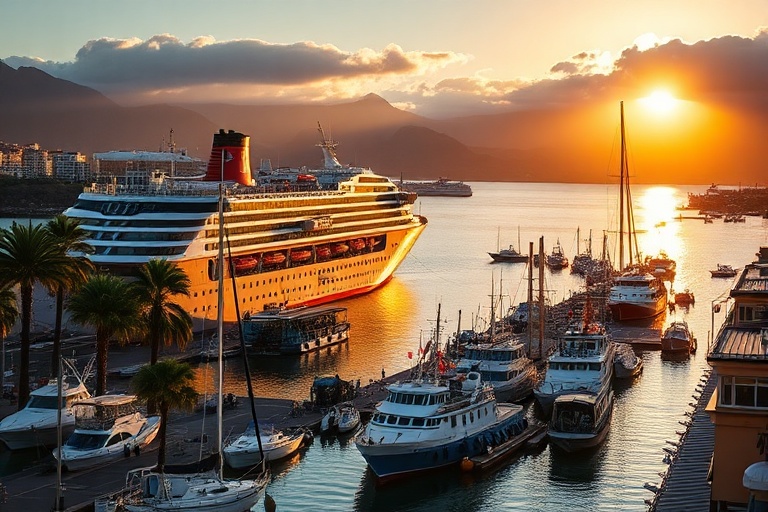
Why Tenerife Is More Than Just a Beach Destination
Tenerife, the largest of Spain’s Canary Islands, has long been celebrated for its year-round sunshine and golden beaches. Yet beyond the postcard-perfect landscapes, the island offers a depth of culture, adventure, and natural beauty that often goes unnoticed. From the volcanic peaks of Mount Teide to the lush laurel forests of Anaga Rural Park, Tenerife is a destination that rewards those willing to explore beyond the typical tourist trail.
The Allure of Mount Teide: A Geological Marvel
At the heart of Tenerife lies Mount Teide, a towering volcano that dominates the island’s skyline and holds UNESCO World Heritage status. Rising 3,718 meters above sea level, it is the third-highest volcano in the world from its base on the ocean floor. The landscape surrounding Teide is otherworldly, with lunar-like terrain that has served as a training ground for astronauts and filmmakers alike.
Visitors to Teide National Park can take a cable car to the summit, though permits are required for those hoping to reach the very top. The journey itself is an experience, with panoramic views unfolding at every turn. The contrast between the arid volcanic soil and the occasional patches of hardy vegetation creates a striking visual narrative of nature’s resilience.
Beyond its aesthetic appeal, Teide plays a crucial role in the island’s ecosystem. The altitude and climate conditions support unique flora and fauna, some of which are found nowhere else on Earth. The park’s designation as a UNESCO site underscores its global significance, not just as a tourist attraction, but as a living laboratory of geological and biological study.
Cultural Riches: Tenerife’s Unseen Traditions
Tenerife’s cultural heritage is as diverse as its landscapes. The island’s history is a tapestry woven from indigenous Guanche roots, Spanish colonial influences, and African and Latin American connections. One of the most vibrant expressions of this heritage is the island’s festival calendar, which is packed with events that showcase traditional music, dance, and craftsmanship.
The Carnival of Santa Cruz de Tenerife is perhaps the most famous of these celebrations. Often described as the second-largest carnival in the world after Rio de Janeiro, it draws tens of thousands of visitors each year. The festival is a riot of color and energy, with elaborate floats, costumed dancers, and live music filling the streets for weeks. Yet even outside of carnival season, Tenerife’s cultural scene thrives. Local markets, such as the one in La Orotava, offer handmade crafts, ceramics, and textiles that reflect centuries-old techniques.
For those interested in deeper historical exploration, the Museum of Nature and Man in Santa Cruz provides insight into the Guanche people, the island’s original inhabitants. The museum’s exhibits include mummies, tools, and artifacts that offer a glimpse into a way of life that disappeared centuries ago. These cultural touchstones remind visitors that Tenerife is more than just a sunny escape—it is a place where history is preserved and celebrated.
Adventure and Exploration: Tenerife’s Outdoor Playground
Tenerife’s diverse geography makes it a paradise for outdoor enthusiasts. The island’s varied terrain—from black sand beaches to dense forests—provides endless opportunities for adventure. Hiking is one of the most popular activities, with trails catering to all levels of experience. The Anaga Rural Park, a UNESCO Biosphere Reserve, is a hiker’s dream, with paths that wind through ancient laurel forests and along dramatic coastal cliffs. The park’s trails are well-marked, but its remoteness means that preparation is essential for those venturing into its depths.
For water lovers, Tenerife offers world-class surfing, diving, and whale watching. The island’s northern coast is particularly renowned for its surf breaks, with spots like El Médano attracting surfers from around the globe. Meanwhile, the waters off Los Gigantes are a hotspot for dolphin and whale watching, with operators offering ethical, eco-friendly excursions that prioritize the well-being of the animals. The chance to see pilot whales, bottlenose dolphins, and even orcas in their natural habitat is an unforgettable experience.
Adventure doesn’t end on land or sea. Tenerife is also a hotspot for stargazing, thanks to its clear skies and minimal light pollution. The Teide Observatory, one of the world’s most important astronomical centers, offers guided tours that delve into the mysteries of the universe. Visitors can peer through telescopes, learn about the latest discoveries in astrophysics, and even witness a sunset that turns the volcanic landscape into a canvas of fire.
Sustainability and the Future of Tenerife
As tourism continues to grow, Tenerife faces the challenge of balancing economic development with environmental preservation. The island’s fragile ecosystems, from its marine reserves to its high-altitude forests, are under increasing pressure from visitors. However, there are signs that Tenerife is rising to the challenge. The local government has implemented measures to promote sustainable tourism, such as limiting the number of visitors to certain areas and encouraging eco-friendly practices among businesses.
One notable initiative is the Travel category on Dave’s Locker, which highlights destinations that prioritize sustainability and responsible tourism. Tenerife’s efforts align with the broader trend of travelers seeking experiences that minimize their environmental footprint. From solar-powered hotels to conservation projects aimed at protecting endangered species, the island is taking steps to ensure that its natural beauty remains intact for future generations.
Yet challenges remain. The overdevelopment of coastal areas, particularly in the south, has led to concerns about habitat destruction and water scarcity. The rise of short-term vacation rentals has also put pressure on local housing markets, pricing out residents in some areas. These issues underscore the need for careful planning and community involvement in shaping Tenerife’s future. The island’s ability to navigate these complexities will determine whether it remains a model of sustainable tourism or succumbs to the pitfalls of mass tourism.
Key Takeaways for Visitors
For those planning a trip to Tenerife, here are a few essential points to consider:
- Explore beyond the resorts: While the southern coast is known for its beaches and nightlife, the island’s true treasures lie inland. Take time to explore towns like La Laguna, a UNESCO World Heritage site, or the charming villages of the north.
- Support local businesses: From family-run restaurants to artisan workshops, Tenerife’s economy thrives on small enterprises. Opting for locally sourced products and experiences helps sustain the island’s cultural and economic fabric.
- Travel responsibly: Be mindful of your environmental impact. Stick to marked trails, avoid disturbing wildlife, and choose tour operators that prioritize sustainability.
- Plan ahead: Tenerife’s popularity means that popular attractions, such as Teide National Park and the Carnival of Santa Cruz, can get crowded. Booking tickets and accommodations in advance can save time and hassle.
- Embrace the local culture: Take time to engage with Tenerife’s traditions, whether it’s through a local festival, a visit to a museum, or a conversation with a resident. The island’s soul is found in its people and their stories.
Conclusion: Tenerife as a Microcosm of Modern Travel
Tenerife is more than just a destination—it is a microcosm of the modern travel experience. It offers the perfect blend of relaxation and adventure, culture and nature, tradition and innovation. Yet its true appeal lies in its ability to challenge preconceptions. It is not merely a place to soak up the sun; it is a place to learn, to explore, and to connect with something deeper.
As travelers increasingly seek authentic and meaningful experiences, Tenerife stands out as a destination that delivers on multiple levels. Its landscapes are breathtaking, its culture is rich, and its people are welcoming. Yet its greatest lesson may be a reminder of the importance of balance—between tourism and preservation, between tradition and progress, and between the familiar and the unknown.
For those willing to look beyond the surface, Tenerife offers a journey that is as enriching as it is enjoyable. It is a destination that invites visitors to slow down, to observe, and to appreciate the world in all its complexity. In an era where travel is often reduced to fleeting snapshots and checklists, Tenerife reminds us that the best experiences are those that linger in the mind long after the trip is over.