NASA Artemis II Launch: A New Era in Space Exploration
The Upcoming NASA Artemis II Launch: A New Chapter in Space Exploration
The anticipation surrounding NASA’s Artemis II mission is palpable. This mission marks a significant step toward humanity’s return to the Moon, paving the way for future exploration of Mars and beyond. Scheduled for launch in 2024, Artemis II will be the first crewed flight of NASA’s Orion spacecraft, following the successful uncrewed Artemis I mission. As we delve into the details, it becomes clear that this mission is not merely a technical endeavor; it represents a global aspiration for exploration and discovery.
What to Expect from Artemis II
Artemis II will carry a crew of four astronauts on a journey around the Moon. This mission aims to test various systems and ensure the safety of the crew for future lunar landings. The crew will embark on a 10-day mission that will take them approximately 1.3 million miles from Earth.
The key objectives of Artemis II include:
- Testing the Orion spacecraft’s life support systems.
- Conducting a flyby of the Moon.
- Gathering data to prepare for Artemis III, which aims to land astronauts on the lunar surface.
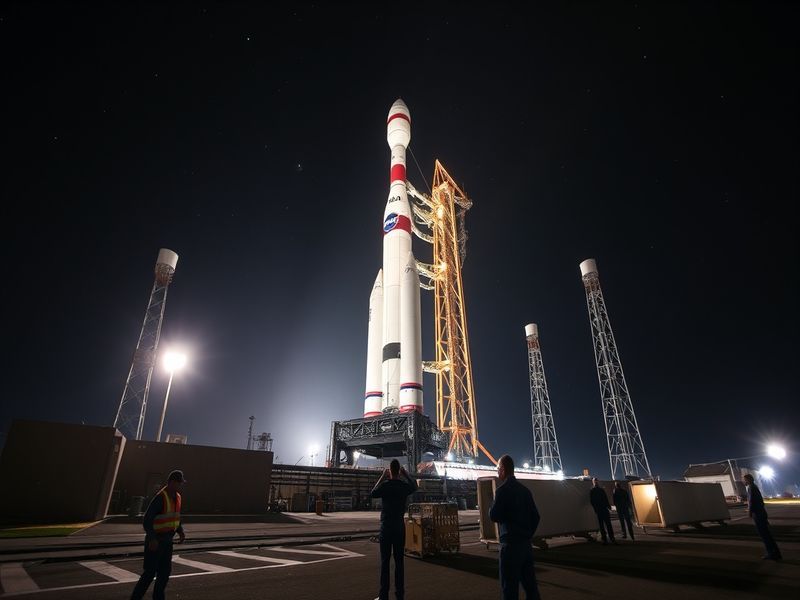
The launch will utilize the Space Launch System (SLS), NASA’s most powerful rocket to date. This rocket is designed to carry heavy payloads beyond low Earth orbit, marking a significant advancement in space technology.
Global Implications of the Artemis Program
The Artemis program extends beyond American soil. It symbolizes international collaboration in space exploration. Countries around the world are eager to engage with NASA’s initiatives, contributing expertise and resources. International partners, including the European Space Agency (ESA), Canada, and Japan, are already involved in the development of systems and technologies for the Artemis missions.
Moreover, the Artemis program is expected to inspire a new generation of scientists, engineers, and space enthusiasts globally. Educational programs and outreach initiatives will encourage young minds to engage in STEM (Science, Technology, Engineering, and Mathematics) fields. This could lead to a resurgence in interest in space exploration and related careers.
Challenges and Considerations
While the excitement surrounding Artemis II is undeniable, the mission is not without its challenges. Delays in development, budget constraints, and technical hurdles have all posed risks to the timeline. NASA has faced scrutiny over cost overruns and project management, leading to questions about the feasibility of maintaining the ambitious schedule set for Artemis II and subsequent missions.
Additionally, the environmental impact of rocket launches is a growing concern. As space exploration increases, so does the need to consider the ecological footprint of these missions. Balancing technological advancement with environmental stewardship will be crucial as we move forward.
Conclusion
The Artemis II mission represents a significant milestone in space exploration. It embodies not only NASA’s commitment to returning humans to the Moon but also the collective aspirations of nations worldwide. As we look forward to the launch, it is essential to recognize both the achievements and the challenges that lie ahead. The journey to the Moon is not just a technical endeavor; it is a shared human experience that encourages collaboration, innovation, and a deeper understanding of our place in the universe.
This mission has the potential to unite people globally, fostering a spirit of exploration that transcends borders. As we prepare for the launch, the world watches with hope and excitement for what lies ahead in humanity’s quest to explore the cosmos.