The Role of NHS Medical Supplies Amid the Iran Conflict
The ongoing conflict in Iran has highlighted significant challenges regarding the supply of medical resources. The National Health Service (NHS) in the United Kingdom, while primarily focused on domestic health needs, has also been affected by international crises. The war in Iran has created a ripple effect, impacting the availability and distribution of medical supplies that are crucial for both humanitarian aid and local healthcare systems.
Medical Supply Chain Disruptions
The war has disrupted the medical supply chain in various ways. Transportation routes have become perilous, and international sanctions have complicated the procurement of essential supplies. As a result, healthcare providers in Iran face shortages of critical medical equipment, medications, and even basic supplies like bandages and syringes.
Some of the most significant disruptions include:
- Sanctions: Economic sanctions imposed on Iran have severely limited the country’s ability to import medical supplies. This has made it increasingly difficult for healthcare providers to access essential resources.
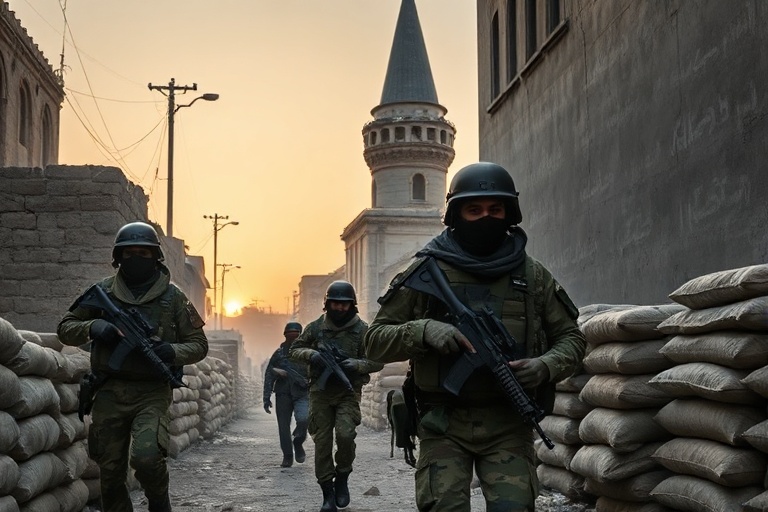
- Logistical Challenges: Ongoing military operations often result in damaged infrastructure, complicating transportation and delivery of medical supplies.
- Increased Demand: The war has led to a surge in injuries and illnesses, further straining the already limited medical resources available.
International Humanitarian Response
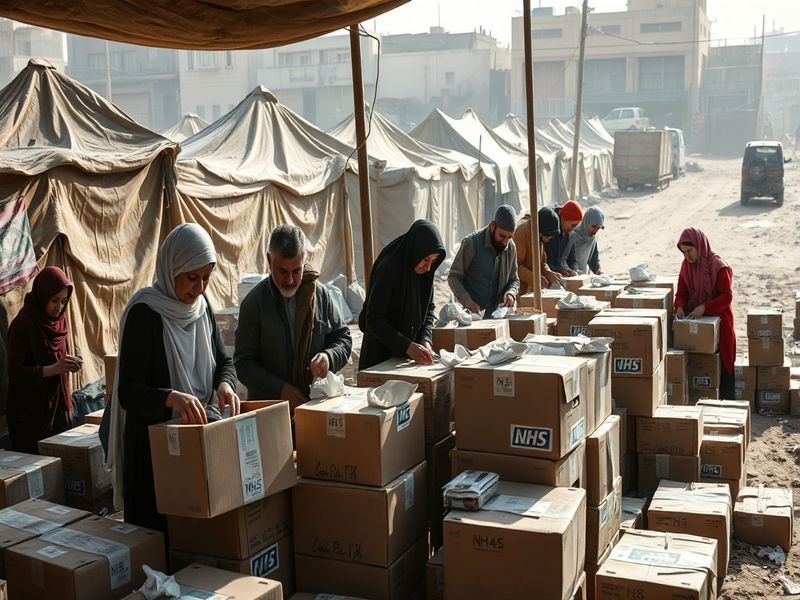
In response to the escalating humanitarian crisis, various organizations have stepped in to provide aid. The World Health Organization (WHO) and other non-governmental organizations (NGOs) have mobilized resources to deliver medical supplies to affected areas. Their efforts aim not only to alleviate immediate suffering but also to establish sustainable healthcare solutions.
Some key players in the humanitarian response include:
- International Federation of Red Cross and Red Crescent Societies: This organization has been instrumental in providing medical care and supplies to communities in conflict zones.
- Doctors Without Borders: Known for their rapid response, they have deployed medical teams to provide care and distribute essential supplies.
- United Nations: The UN has coordinated efforts to ensure that medical supplies reach those in need, despite the challenging circumstances.
Global Implications and Perspectives
The situation in Iran serves as a reminder of the interconnectedness of global health. Conflicts like this not only affect the immediate region but also impact global health security. Countries that rely on medical supplies from conflict zones may find themselves facing shortages, leading to wider implications for public health.
Moreover, the ongoing crisis raises ethical concerns regarding the responsibilities of nations in conflict. Should countries facing sanctions be allowed to import medical supplies? This dilemma complicates international relations and humanitarian efforts. Balancing national interests with the need for humanitarian aid is a challenge that requires careful consideration.
In addition, the cultural context of healthcare in Iran cannot be overlooked. The country has a rich history of medical innovation, yet the current conflict threatens to undermine decades of progress. Healthcare professionals are working tirelessly to provide care under increasingly challenging conditions, demonstrating resilience and commitment to their patients despite the obstacles they face.
Conclusion
The crisis in Iran emphasizes the vital importance of medical supplies in times of war. The NHS, while focused on its domestic responsibilities, is indirectly affected by global conflicts that disrupt supply chains and create humanitarian crises. As international organizations work to deliver aid, the global community must also reflect on the ethical implications of sanctions and the responsibilities that come with them.
Ultimately, addressing the challenges posed by the war in Iran requires a collaborative effort from nations, organizations, and individuals. The aim should be to ensure that healthcare remains accessible to all, regardless of the political landscape, fostering a healthier future for those affected by conflict.