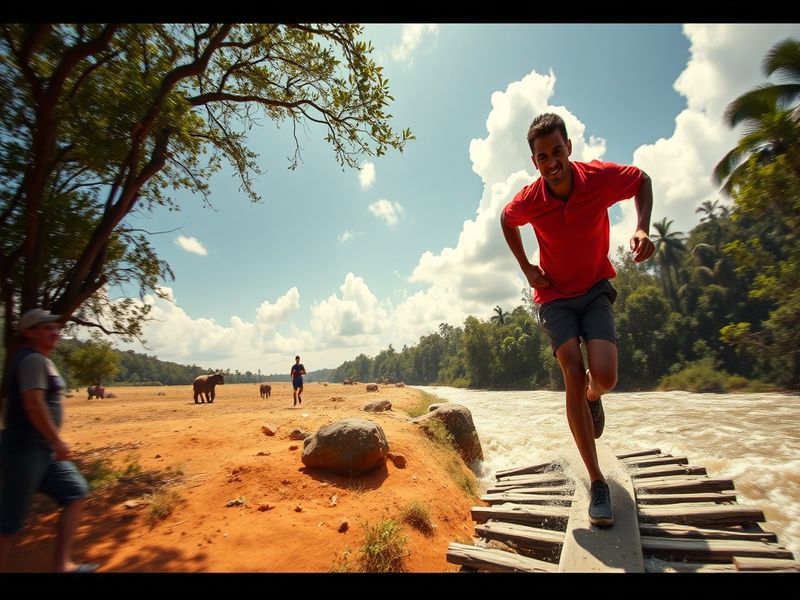
The BBC Race Across the World has become one of the most compelling reality television formats in recent years. Combining physical endurance, strategic planning, and interpersonal dynamics, the show challenges contestants to traverse vast distances using limited funds. Unlike traditional adventure programs, it emphasizes resourcefulness over athletic prowess, making it a unique spectacle for viewers.
Originally airing in 2018, the series has since captivated audiences with its blend of travel, competition, and human drama. Each season follows a different route, often spanning multiple continents, forcing participants to adapt to unfamiliar cultures, climates, and logistical hurdles. The show’s success lies in its ability to balance high-stakes competition with moments of vulnerability, offering a raw look at how individuals perform under pressure.
The Format: Rules and Challenges
The premise of BBC Race Across the World is deceptively simple: contestants must reach the finish line in a set number of days while traveling on a limited budget. However, the execution is far from straightforward. Here’s how the format typically unfolds:
- Route and Checkpoints: Each season features a predefined route with multiple checkpoints. Contestants must reach these points in order, but they can choose their mode of transport—whether by train, bus, or even hitchhiking.
- Budget Constraints: Players start with a fixed sum of money, which they must stretch across flights, meals, and lodging. Overspending risks elimination if they can’t afford onward travel.
- Team Dynamics: In most editions, teams of two compete against each other. This adds a layer of negotiation, as partners must agree on spending, routes, and risk management.
- Time Pressure: The race is timed, and delays—whether due to missed connections or strategic missteps—can result in penalties or elimination.
The show’s structure forces contestants to make quick, high-stakes decisions. Should they splurge on a flight to save time, or risk a cheaper (but slower) alternative? Will they trust a local guide, or navigate alone? These dilemmas create tension and reveal the psychological toll of the race.
Key Moments from Recent Seasons
Over the years, BBC Race Across the World has delivered unforgettable moments that highlight the show’s blend of drama and adventure. Some of the most talked-about seasons include:
- Season 1 (2018): The inaugural season saw teams race from London to Singapore, with competitors forced to haggle in markets, navigate language barriers, and endure grueling travel conditions. One team’s decision to spend nearly their entire budget on a single flight nearly cost them the race.
- Season 3 (2020): Set against the backdrop of the COVID-19 pandemic, this season took place entirely within Europe, testing contestants’ adaptability in a rapidly changing travel landscape. The reduced scope didn’t lessen the intensity, as players grappled with border closures and quarantine rules.
- Season 5 (2023): The most recent season followed a route from Istanbul to Cape Town, showcasing Africa’s diverse landscapes and cultural contrasts. A standout moment came when one team chose to cross the Sahara Desert on foot, a gamble that paid off spectacularly.
These seasons underscore how the show evolves with each iteration, reflecting global trends in travel, economics, and human behavior. The 2023 season, in particular, highlighted the increasing importance of sustainability, as contestants weighed the environmental impact of their transportation choices.
Why the Show Resonates with Audiences
BBC Race Across the World stands out in the crowded reality TV landscape for several reasons. First, it appeals to the modern traveler’s sense of adventure, offering a vicarious thrill of exploration without the expense or risk. Second, its emphasis on strategy over brute strength attracts a broader demographic, including viewers who may not typically watch competitive reality shows.
The show also taps into deeper themes, such as trust and resilience. Contestants must rely on strangers, whether for directions, rides, or even temporary shelter. These interactions often reveal the best—and worst—of human nature, from generosity to deception. The emotional highs and lows keep viewers invested, making it as much a psychological study as a travelogue.
Moreover, the series reflects broader societal shifts. In an era where climate change is a growing concern, the show subtly encourages viewers to consider the carbon footprint of their own travel habits. Similarly, its portrayal of global cultures fosters a sense of connection in an increasingly divided world.
The Broader Implications of the Race
Beyond entertainment, BBC Race Across the World offers insights into human behavior, economics, and even geopolitics. The show’s format mirrors real-world challenges, such as budget travel, cultural adaptation, and risk assessment. For instance, contestants’ decisions about where to spend their money can mirror the financial struggles of millions of global travelers.
The series also highlights the disparities in global travel infrastructure. Contestants often face vastly different challenges depending on their route. Traveling through Scandinavia, for example, offers reliable public transport and high costs, while routes in Africa or South America may require improvisation and resilience. These contrasts prompt viewers to reflect on accessibility and privilege in travel.
From a production standpoint, the show’s success speaks to the enduring appeal of slow television. In a world dominated by instant gratification, Race Across the World rewards patience, rewarding viewers who stick with the journey. Its pacing allows for deeper character development and world-building, setting it apart from faster-paced reality shows.
Looking Ahead: What’s Next for the Race?
As the series continues to evolve, producers may explore new formats to keep the concept fresh. Potential directions include:
- Solo Competitions: Removing the team dynamic could intensify the psychological strain, as solo contestants navigate both the physical and emotional challenges alone.
- Environmental Themes: Future seasons could explicitly focus on sustainable travel, with contestants earning bonuses for eco-friendly choices.
- Virtual Integration: Augmented reality or interactive elements could allow viewers to make decisions alongside contestants, blurring the line between spectator and participant.
The show’s ability to adapt will determine its longevity. If it continues to balance competition with authenticity, BBC Race Across the World could remain a staple of reality television for years to come.
Conclusion: More Than Just a Race
BBC Race Across the World is more than a competition; it’s a microcosm of the human experience. It tests endurance, strategy, and adaptability while offering a window into diverse cultures and landscapes. For contestants, it’s a grueling journey that exposes their strengths and weaknesses. For viewers, it’s a reminder of the world’s vastness—and the small steps it takes to explore it.
The show’s enduring appeal lies in its authenticity. There are no scripted confrontations or contrived drama—just real people making tough choices under pressure. In an era of curated social media lives, Race Across the World offers something refreshingly raw: the unfiltered struggle to survive, adapt, and ultimately, reach the finish line.
For those inspired to test their own limits, the lessons from the race are clear: preparation matters, but adaptability is key. Whether traveling the world or navigating life’s challenges, success often hinges on the ability to pivot when plans fall apart. And sometimes, the most rewarding journeys are the ones you never planned.
To explore more travel-inspired content, check out our Travel and Entertainment sections for additional insights and recommendations.