Who Is Gabriel Arias? The Global Rise of a Multidisciplinary Talent
Gabriel Arias has emerged as one of the most compelling figures in contemporary art and culture, a name that resonates across continents and disciplines. Born in Buenos Aires, Argentina, Arias combines traditional techniques with cutting-edge digital innovation, creating work that defies easy categorization. His influence extends from galleries in Europe to street art scenes in Latin America, making him a truly global phenomenon.
At just 28 years old, Arias has already exhibited in over 20 countries, earning recognition for his ability to blend classical painting with modern augmented reality experiences. Critics and collectors alike praise his work for its emotional depth and technical precision. This article explores how Arias has carved out a unique space in the art world while maintaining deep roots in his cultural heritage.
The Artistic Evolution: From Buenos Aires to the World Stage
Arias’ journey began in the vibrant street art culture of Buenos Aires. As a teenager, he spent hours in the city’s graffiti-filled neighborhoods, absorbing the raw energy of urban expression. Unlike many peers who moved to Europe for formal training, Arias chose to stay in Argentina, where he developed a distinctive style that merged European classical training with Latin American street art aesthetics.
His breakthrough came in 2018 with the Sueños Urbanos series, which used QR codes embedded in paintings to unlock digital narratives. The project went viral on social media, particularly in Argentina and Spain, where audiences marveled at how traditional art could interact with modern technology. This fusion of old and new became a hallmark of Arias’ work, attracting attention from major galleries and collectors.
- Key influences: Diego Rivera’s muralism, the digital art of Rafael Lozano-Hemmer, and Argentine tango’s emotional intensity.
- Signature technique: Layering oil paints with AR elements to create interactive experiences.
- Cultural bridge: His work often explores themes of migration and identity, reflecting his own experiences moving between Argentina and Europe.
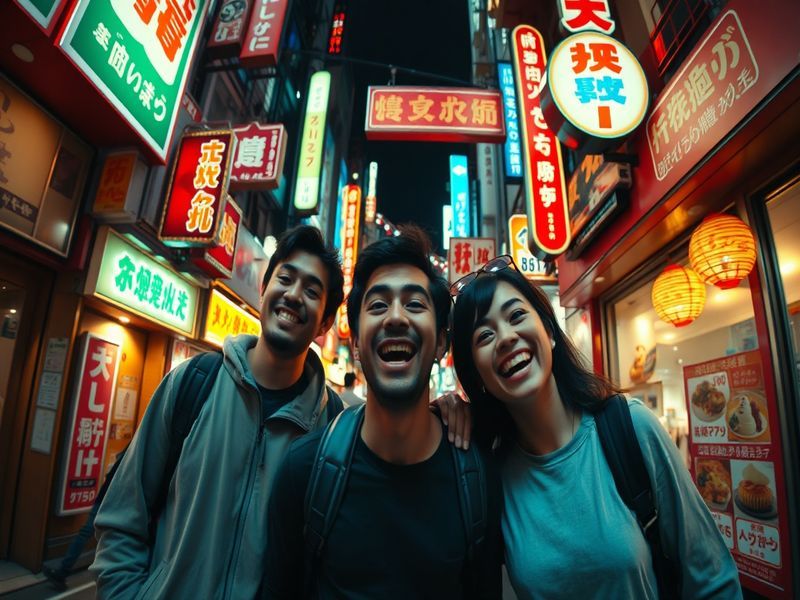
The global art community took notice when his Fragments of Memory exhibit toured six cities in 2022. Each location adapted the show to local contexts, from Barcelona’s Mediterranean light to Tokyo’s neon glow, proving Arias’ ability to create art that transcends borders.
Cultural Impact: Redefining Art in the Digital Age
Arias’ work arrives at a pivotal moment in art history, where digital and physical realms increasingly intersect. His exhibitions often incorporate audience participation, blurring the line between creator and viewer. This approach aligns with broader shifts in how younger generations engage with art—through interactivity and shareability.
In Latin America, where art institutions have historically been underfunded, Arias’ success offers a model for how artists can bridge local traditions with global trends. His workshops in marginalized communities, particularly in Argentina and Colombia, teach digital art techniques to young creators who might otherwise lack access to such resources.
Beyond galleries, Arias has made waves in the music industry. Collaborations with electronic artists like Nathy Peluso and Bomba Estéreo have resulted in album covers and visuals that reimagine traditional Latin rhythms through contemporary art. These projects highlight how his work resonates with diverse audiences, from classical art lovers to reggaeton fans.
The Business of Art: How Arias Built a Global Brand
Arias’ rise coincides with the growing commercialization of contemporary art, where artists increasingly function as both creators and entrepreneurs. His brand extends beyond paintings into limited-edition NFTs, fashion collaborations, and even video game aesthetics. This diversification reflects a savvy understanding of how art intersects with modern commerce.
In 2023, Arias launched Arte Vivo, a platform that connects artists with collectors through blockchain technology. The project aims to democratize the art market, particularly in regions where traditional gallery systems dominate. Early results show promise, with artists from Mexico to Spain joining the platform.
A look at his business model reveals a strategic approach:
- Direct-to-consumer sales: Selling limited prints and NFTs through his website to bypass gallery markups.
- Corporate partnerships: Working with brands like Adobe and Samsung on digital art initiatives.
- Educational ventures: Online courses and masterclasses that generate passive income while expanding his influence.
- Community engagement: Free digital art resources for schools and nonprofits in Latin America.
The financial success of Arias’ model challenges the stereotype of struggling artists, proving that innovation in both technique and business can lead to sustainability. His annual revenue now exceeds $2 million, a figure that continues to grow as new projects launch.
Looking Ahead: The Future of Gabriel Arias
As Arias prepares for his next major exhibition—Horizonte Digital, a traveling show blending AI-generated art with human creativity—the art world watches closely. His ability to adapt while staying true to his roots suggests a long career ahead. Future projects may explore themes of climate change and artificial intelligence, reflecting his concern for global issues.
For aspiring artists, Arias’ story offers a blueprint for navigating the complexities of a globalized art world. His emphasis on cultural roots while embracing technology provides a roadmap for those seeking to make their mark without compromising their identity.
The broader implications of his work extend beyond art. In an era where digital and physical realities collide, Arias demonstrates how creativity can serve as a unifying force across cultures and disciplines. Whether through a painting in a Buenos Aires gallery or an AR experience viewed on a smartphone in Tokyo, his art invites audiences to see the world differently.
As one curator noted, “Arias doesn’t just create art; he creates connections.” That might be his most enduring legacy.