The Grand National is more than just a horse race. It is a cultural institution, a sporting spectacle, and a testament to the enduring appeal of equestrian competition. Held annually at Aintree Racecourse in Liverpool, England, the event draws hundreds of thousands of spectators both on-site and via broadcast, making it one of the most-watched sporting events in the world. With a history stretching back to 1839, the Grand National is not only a test of speed and stamina but also a celebration of heritage, perseverance, and the unpredictable nature of horse racing.
The Origins and Evolution of the Grand National
The Grand National traces its roots to a steeplechase held in 1836, but the first official race took place three years later in 1839. The event was conceived by local landowner William Lynn, who leased land from the Earl of Sefton to create a racecourse. The inaugural running featured a field of 17 horses, with the winner, Lottery, ridden by Jem Mason, becoming the first name etched into Grand National history. Over the decades, the race evolved from a modest local event into a national obsession, expanding in distance, prestige, and complexity.
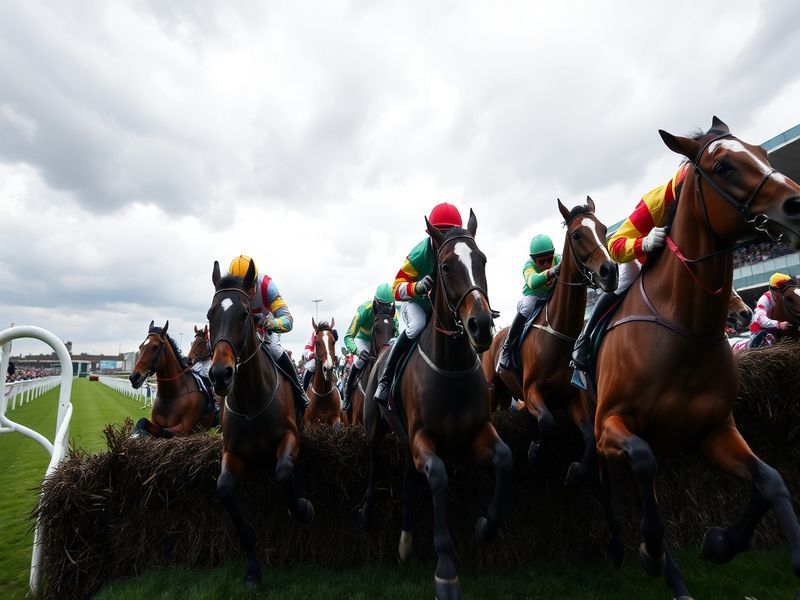
By the late 19th century, the Grand National had firmly established itself as a cornerstone of British sporting culture. The inclusion of fences such as Becher’s Brook and The Chair added both challenge and drama, transforming the race into a true test of both horse and rider. These obstacles, some of the most iconic in racing, demand precision and courage, often becoming the defining moments of the contest. The race’s unpredictable nature—where frontrunners can falter and long shots can triumph—has only deepened its allure over time.
Memorable Moments in Grand National History
The Grand National has produced countless unforgettable moments, but a few stand out as defining chapters in its legacy. One such moment came in 1967, when 100/1 outsider Foinavon won the race after a pile-up at the 23rd fence left the rest of the field in disarray. The horse and jockey John Buckingham navigated the carnage to claim victory, a result so improbable it remains etched in racing folklore. Another legendary triumph occurred in 1981, when Aldaniti, ridden by Bob Champion, defied odds to win the race just months after Champion had been diagnosed with cancer. Their story of triumph over adversity captivated the nation and inspired millions.
More recently, Tiger Roll’s back-to-back victories in 2018 and 2019 cemented his place as one of the race’s modern greats. Trained by Gordon Elliott and ridden by Davy Russell, Tiger Roll became the first horse since Red Rum in the 1970s to win the Grand National twice. His gritty performances, combined with Elliott’s tactical brilliance, showcased the evolving nature of training and strategy in the sport. These stories, whether of underdogs, heroes, or record-breakers, highlight why the Grand National continues to resonate with audiences worldwide.
The Challenge of the Course and Its Iconic Fences
Aintree’s Grand National course is unlike any other in horse racing. Spanning approximately four and a half miles, it is the longest of any National Hunt race in Britain, demanding exceptional stamina from both horse and jockey. The course features 30 fences, each with its own character and challenge. Becher’s Brook, for instance, is renowned for its steep drop on the landing side, while The Chair is the tallest fence on the course, standing over five feet high with a ditch on the take-off side. These obstacles test not only jumping ability but also bravery and composure under pressure.
The unpredictability of the fences adds to the race’s drama. Horses often fall or refuse at the same obstacles year after year, creating a pattern of caution and strategy. Fences like Canal Turn and Valentine’s Brook are particularly notorious, with their sharp turns and distances between jumps catching out even the most experienced competitors. The ground conditions also play a critical role, with heavy or soft tracks forcing horses to adapt their pace and jumping style. A race that looks straightforward on paper can quickly become a grueling trial of endurance and skill.
Training and Preparation for the Grand National
Preparing a horse for the Grand National is a year-round endeavor that begins long before the race itself. Trainers focus on building stamina, strength, and jumping ability through a combination of gallops, schooling sessions, and targeted fitness routines. Many horses in contention for the race will have already competed in smaller steeplechases to gain experience over obstacles and under race conditions. The goal is to arrive at Aintree in peak physical and mental condition, ready to tackle the unique demands of the course.
Jockeys, too, undergo rigorous preparation. They study the course meticulously, memorizing the distances between fences, the angles of turns, and the best lines to take. Physical fitness is paramount, as riders must maintain balance and control over a grueling four-and-a-half-mile race. Mental resilience is equally important, as jockeys must stay focused despite the chaos that can unfold around them. The partnership between horse and jockey is critical, with trust and communication often making the difference between success and failure.
One of the most distinctive aspects of Grand National preparation is the emphasis on experience. Horses that have previously run in the race—known as “course specialists”—often have a significant advantage. Their familiarity with the fences and the unique atmosphere of Aintree can provide a psychological edge. Trainers may also enter horses in lead-up races such as the Grand National Trial at Haydock Park or the Welsh National, using these events as stepping stones to gauge form and confidence.
The Grand National’s Cultural Impact and Global Reach
Beyond its sporting significance, the Grand National holds a unique place in British culture. The race is a fixture on the social calendar, drawing crowds dressed in their finest attire, sipping champagne, and placing bets in a tradition that dates back centuries. The event’s association with fashion, particularly the infamous “Ladies’ Day,” has made it a showcase for style as well as sport. Meanwhile, the race’s presence in popular media—from films like National Velvet to countless news segments—has cemented its status as a cultural touchstone.
Globally, the Grand National’s appeal continues to grow. Broadcast to over 140 countries, the race attracts a diverse audience, from seasoned racing fans to casual viewers drawn by its drama and unpredictability. In Ireland, the race is a point of national pride, with Irish-trained horses and jockeys often dominating the leaderboard. In the United States, the Grand National has gained traction among audiences familiar with steeplechasing, thanks in part to the growing popularity of National Hunt racing across the Atlantic.
The race’s charitable initiatives also underscore its broader impact. The Grand National has long been associated with fundraising efforts, from the official charity partners to individual causes championed by participants. Events like the Grand National Ball and various community programs raise millions for causes ranging from health research to youth development. This blend of sporting excellence and social responsibility reinforces the race’s role as a force for good.
Controversies and Reforms in the Grand National
Despite its storied history, the Grand National has not been without controversy. Animal welfare concerns have been a recurring issue, particularly regarding the safety of horses and the severity of the course’s fences. In response to public pressure and regulatory scrutiny, Aintree has implemented several reforms in recent years. These include modifications to fences to reduce their rigidity, stricter veterinary checks, and enhanced training protocols for participating horses. The introduction of the “void race” rule—whereby the race can be declared void if too many horses are injured—has also been considered, though it remains a topic of debate among stakeholders.
Another area of contention is the race’s commercialization. While sponsorship and broadcasting deals have increased the Grand National’s visibility and prize money, some purists argue that these developments have diluted the event’s traditional character. The rise of betting companies as major sponsors, in particular, has sparked discussions about the balance between entertainment and the ethical treatment of both horses and bettors. Organizers have sought to address these concerns by promoting responsible gambling initiatives and emphasizing the race’s heritage.
The Grand National’s future will likely hinge on its ability to adapt while preserving its core identity. As the sport of horse racing evolves, so too must the race’s approach to safety, sustainability, and fan engagement. Yet, its enduring appeal suggests that the Grand National will continue to captivate audiences for generations to come.
Why the Grand National Remains a Must-Watch Event
The Grand National’s magic lies in its unpredictability. Unlike many sporting events where favorites often prevail, the Grand National thrives on the unexpected. Horses can fall at any fence, jockeys can make split-second errors, and weather conditions can transform the race into a battle of attrition. This volatility is what keeps fans on the edge of their seats, year after year. Whether it’s a first-time competitor surprising the field or a seasoned campaigner defying the odds, the Grand National delivers moments that transcend sport.
For those new to horse racing, the Grand National offers an accessible entry point into the world of National Hunt racing. The race’s blend of drama, tradition, and sheer spectacle makes it a perfect introduction to the sport. Meanwhile, seasoned enthusiasts appreciate the tactical nuances and historical depth that the race provides. From the roar of the crowd at Aintree to the quiet anticipation of watching at home, the Grand National offers something for everyone.
As we look ahead to future editions of the race, one thing is certain: the Grand National will continue to be a defining event in the sporting calendar. Its ability to unite people across generations, cultures, and continents speaks to its universal appeal. Whether you’re a racing aficionado, a casual observer, or simply someone who enjoys a good underdog story, the Grand National promises excitement, inspiration, and a sense of connection to a shared heritage.
For those eager to dive deeper into the world of horse racing, Dave’s Locker’s Sports section offers a wealth of articles, analysis, and insights. And if you’re interested in the broader cultural impact of iconic sporting events, our Entertainment category features pieces on how sports shape society and media.