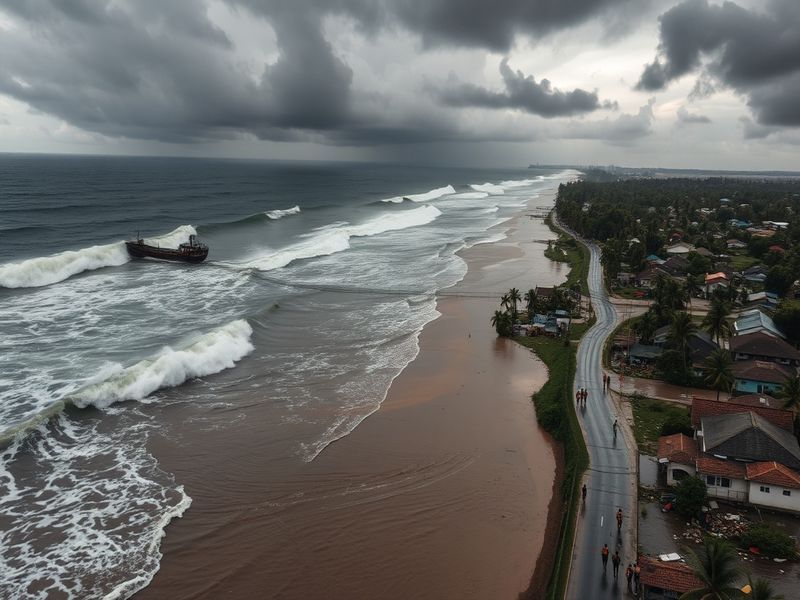
Indonesia Earthquake Today: Tsunami Alerts and Response Updates
The Indonesian archipelago experienced a significant seismic event today, with reports of a powerful earthquake striking coastal regions. Authorities initially issued tsunami warnings as geologists assessed the potential for ocean displacement. While the full extent of damage remains unclear, early indications suggest localized disruptions in infrastructure and evacuation procedures.
Local agencies responded rapidly, with emergency broadcasts urging residents in vulnerable zones to move to higher ground. The quake’s magnitude, measured at 6.8 on the Richter scale by the Meteorology, Climatology, and Geophysical Agency (BMKG), triggered immediate protocol activations across multiple provinces. Social media platforms became inundated with real-time footage of swaying buildings and frantic evacuations.
Latest Updates on the Earthquake’s Impact
As of the most recent official statement, the BMKG has downgraded the tsunami warning to a high-alert advisory. While no major waves have been recorded, minor coastal surges were detected in regions like West Java and Sumatra. The earthquake’s epicenter was pinpointed 50 kilometers offshore from the city of Padang, a region historically prone to seismic activity.
Emergency services report that power outages have affected nearly 12,000 households, with temporary disruptions to telecommunications in rural areas. Hospitals in affected zones have activated backup generators, though medical facilities remain operational. The National Disaster Management Authority (BNPB) has dispatched assessment teams to evaluate structural integrity in high-risk buildings.
Preliminary damage reports include cracked roads, collapsed bridges, and minor landslides in mountainous regions. Schools across three provinces suspended classes as a precaution, with officials urging parents to keep children home until further notice. The Indonesian Red Cross has mobilized volunteers to distribute emergency supplies to evacuation centers.
Historical Context: Indonesia’s Vulnerability to Seismic Events
Indonesia’s position along the Pacific Ring of Fire makes it one of the most seismically active countries in the world. The archipelago sits atop multiple tectonic plates, including the Indo-Australian Plate and the Sunda Plate, which frequently grind against one another. This geological instability has produced some of the deadliest earthquakes and tsunamis in modern history.
The 2004 Indian Ocean tsunami, triggered by a 9.1-magnitude earthquake off Sumatra, remains etched in global memory. That disaster claimed over 230,000 lives across 14 countries, with Indonesia bearing the brunt of the devastation. The 2018 Palu earthquake and subsequent tsunami, though smaller in magnitude, demonstrated how secondary effects like liquefaction could amplify destruction.
Today’s event underscores the persistent threat faced by coastal communities. While early-warning systems have improved, gaps remain in rural infrastructure and public awareness. Geologists emphasize that Indonesia experiences an average of 5,000 earthquakes annually, with around 100 felt by residents.
Recent innovations in seismic monitoring, such as the InaTEWS (Indonesia Tsunami Early Warning System), have reduced response times. However, challenges persist in maintaining equipment in remote areas and ensuring timely communication to at-risk populations.
How to Stay Informed During a Tsunami Warning
In the event of an earthquake near coastal regions, immediate action is critical. Authorities recommend the following steps to ensure safety:
- Drop, Cover, and Hold On: During shaking, protect yourself from falling debris by crouching under sturdy furniture or against an interior wall. Avoid doorways, which are not necessarily safer.
- Move Inland or to Higher Ground: If you are near the coast and feel a strong or prolonged earthquake, evacuate immediately to at least 30 meters above sea level or 2 kilometers inland.
- Monitor Official Sources: Rely on updates from BMKG, BNPB, or local government channels. Avoid unverified social media reports that may spread misinformation.
- Prepare an Emergency Kit: Include essentials like water, non-perishable food, a flashlight, batteries, a first-aid kit, and copies of important documents. Keep this kit accessible at all times.
- Have a Family Communication Plan: Designate an out-of-state contact who can coordinate information if local networks are disrupted. Practice evacuation routes with your household.
For those in Indonesia, signing up for regional alert systems like SMS-based warnings can provide critical updates. Tourists should familiarize themselves with local emergency procedures upon arrival, as evacuation signs may not always be in English.
Long-Term Preparedness and Community Resilience
While today’s earthquake and tsunami alerts highlight immediate risks, experts stress the importance of long-term preparedness. Urban planning in high-risk zones must prioritize earthquake-resistant infrastructure, particularly in schools and hospitals. Retrofitting older buildings can significantly reduce casualties during future events.
Community drills play a vital role in building resilience. Programs like Indonesia’s “National Tsunami Awareness Month” aim to educate residents on recognizing natural warning signs, such as receding ocean water, which often precedes a tsunami. These initiatives have proven effective in reducing panic and improving response times.
International collaboration also enhances Indonesia’s capacity to respond. Agencies like the United Nations Office for Disaster Risk Reduction (UNDRR) provide technical support and funding for early-warning systems. Partnerships with Japan and the United States have led to advancements in seismic research and public education.
For visitors and expatriates, understanding local risks is part of responsible travel. Destinations in popular tourist regions like Bali and Lombok often have evacuation maps posted in hotels and public spaces. Checking travel advisories before and during trips can prevent dangerous situations.
Looking Ahead: What Comes Next?
The coming hours will reveal the full scope of today’s earthquake’s impact. Geologists will continue monitoring aftershocks, which can persist for days or weeks. While the tsunami threat appears to have diminished, the risk of landslides and structural damage remains a concern in hilly areas.
For now, the focus shifts to recovery and rebuilding. Temporary shelters have been established in Padang and surrounding areas, with volunteers distributing food, water, and medical supplies. The BNPB has called for calm as assessments proceed, urging residents to avoid entering damaged buildings.
This event serves as a reminder of nature’s unpredictability. Yet, it also showcases Indonesia’s capacity to mobilize resources and unite in crisis. From government agencies to grassroots volunteers, the response reflects a nation that has learned from past disasters and adapted accordingly.
As the situation evolves, staying informed through credible sources will be paramount. For ongoing updates, follow official channels and trusted news outlets. In the face of adversity, preparedness and community remain Indonesia’s strongest defenses against the forces of nature.