Every first Friday in April, the culinary world pauses to honor a dish that has reshaped American fast food: the burrito. National Burrito Day isn’t just another food holiday—it’s a cultural touchstone that reflects how immigrant cuisines evolve into mainstream staples. From humble beginnings in Mexican mining towns to frozen burrito aisles in convenience stores, this day celebrates more than just a meal. It marks a journey of adaptation, convenience culture, and the quiet revolution of handheld food.
The Origins of a Burrito Nation
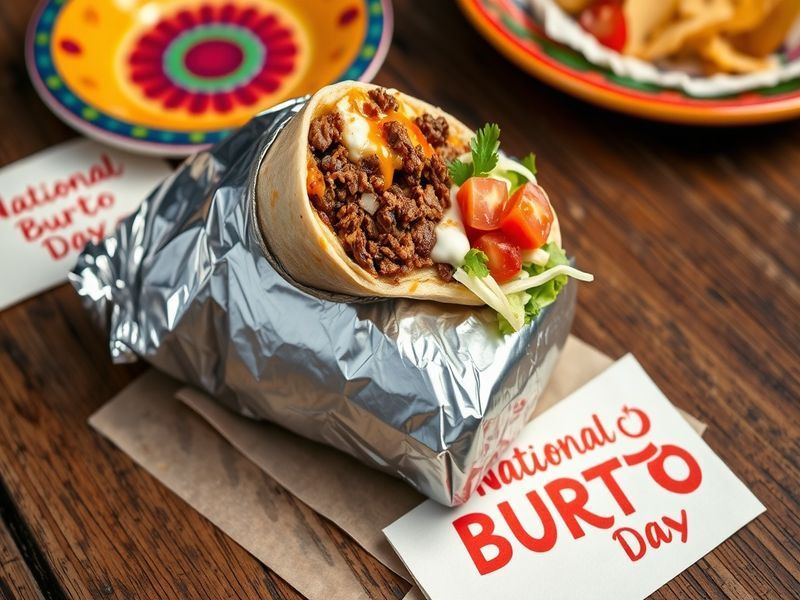
Burritos trace their roots to northern Mexico, where they began as a practical solution for miners and laborers. The word “burrito” itself means “little donkey,” possibly referencing the way wrapped food was carried. Yet it wasn’t until the mid-20th century that the burrito crossed into American consciousness. The pivotal moment came in 1966, when a San Francisco restaurateur named Juanita Vargas served the first burrito to a non-Mexican customer. Within years, the Mission District became ground zero for burrito innovation, giving birth to the massive, foil-wrapped creations now synonymous with California cuisine.
By the 1990s, burritos had shed their regional identity and become a national symbol of fast, portable dining. Fast-food chains like Chipotle and Qdoba turned them into $10+ meals, while frozen food aisles stocked burritos for $1.99. Today, National Burrito Day highlights this dual identity: a gourmet experience in a bowl-like tortilla or a quick snack eaten behind a steering wheel.
Why National Burrito Day Outshines Taco Tuesday
Taco Tuesday may dominate social media, but National Burrito Day offers something deeper: authenticity. While tacos are often associated with street carts and specific regions, burritos have quietly become the ultimate blank canvas for flavor. Whether stuffed with carne asada, vegan jackfruit, or even breakfast sausage, the burrito adapts to every palate and dietary need. It’s not just a Mexican dish—it’s a cultural sponge.
Consider these key differences:
- Portability: Burritos stay intact longer than tacos, making them ideal for commuters, students, and busy parents.
- Customization: The burrito’s size allows for layered ingredients without structural collapse—a challenge tacos face daily.
- Cultural Integration: From breakfast burritos to dessert burritos filled with cinnamon and sugar, the format invites experimentation across cuisines.
National Burrito Day also avoids the oversaturation of Taco Tuesday, which has become a weekly, almost obligatory celebration. In contrast, this day feels spontaneous—a reason to try that new taqueria or finally attempt homemade chimichurri. It’s less about tradition and more about discovery.
The Business of Burritos: A $10 Billion Industry
The commercial rise of the burrito is a case study in food economics. In 2023, the U.S. burrito market exceeded $10 billion, driven by fast-casual chains and frozen food sections alike. But this growth hasn’t come without controversy. Critics argue that mass-produced burritos sacrifice authenticity for consistency. Others point to the exploitation of immigrant labor in burrito-centric kitchens. National Burrito Day thus becomes a moment to reflect—not just on flavor, but on the people behind the tortilla.
Consider the supply chain: avocados from Mexico, rice from California, beef from Texas. Each ingredient tells a story of globalization, trade agreements, and labor conditions. On National Burrito Day, consumers are encouraged to think beyond the wrapper. Supporting local taquerías or choosing ethically sourced ingredients can transform a celebratory meal into an act of solidarity.
How to Celebrate (Without Falling Into the Chipotle Line)
National Burrito Day isn’t just about eating out—it’s about reimagining the burrito. Here’s how to participate meaningfully:
- Cook at home: Try making a burrito bowl first, then graduate to wrapping. The process reveals the skill behind the wrap.
- Explore regional styles: Seek out Sonoran-style burritos from Arizona or vegetarian burritos from Portland’s food carts. Diversity exists beyond the frozen aisle.
- Support immigrant-owned businesses: Use this day to research local taquerías and their histories. Many are family-run across generations.
- Reduce waste: Bring your own container to a burrito shop. Some cities offer discounts for eco-conscious customers.
- Pair thoughtfully: A burrito deserves a drink beyond soda. Try horchata, Mexican Coke, or even a craft beer with citrus notes.
For those who still crave convenience, many restaurants offer specials or donate proceeds to food justice initiatives. This year, Chipotle announced a “Burritothon” fundraiser supporting farmworker advocacy groups—a reminder that even fast food can drive social change.
A Wrap-Up Worth Saving
National Burrito Day may be a lighthearted holiday, but its significance runs deeper. It’s a celebration of adaptability, a nod to immigrant entrepreneurship, and a challenge to consumers to think critically about what they eat. In an era where meals are increasingly delivered via apps and drive-thrus, the burrito stands as a testament to human ingenuity: a simple idea that became a national obsession.
So this April, skip the predictable tacos and embrace the burrito’s boundless potential. Whether you fold it meticulously or grab it in a foil sleeve, remember that every bite carries a story. And on National Burrito Day, that story is worth telling.
For more on the intersection of food and culture, visit our Culture section. To explore the business side of culinary trends, check out our Business coverage.