Flood Watch 2024: What You Need to Know to Stay Safe
“`html
Understanding Flood Watches: Preparation and Impact in 2024
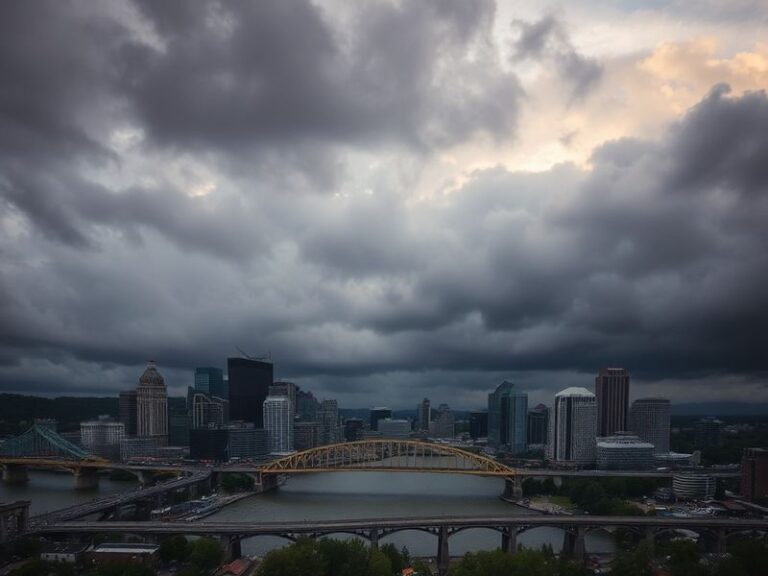
Flood watches are among the most critical weather alerts issued by the National Weather Service (NWS). Unlike warnings, which indicate imminent danger, watches signal that conditions are favorable for flooding within the next 36 hours. These alerts serve as early notice to communities, urging them to stay informed and begin preparing for potential hazards.
The Science Behind Flood Watches
Flood watches are not issued lightly. They result from sophisticated meteorological models that analyze precipitation forecasts, soil moisture levels, river stages, and snowmelt patterns. When these factors combine to create a heightened risk of flooding, the NWS elevates the alert to a watch. This proactive approach gives emergency responders and residents time to implement safety measures before conditions deteriorate.
The criteria for issuing a flood watch vary by region. In the Midwest, for example, heavy rainfall from slow-moving storms often triggers watches, while coastal areas may see them due to tropical systems or storm surges. Urban environments face unique challenges, as impervious surfaces like concrete prevent proper drainage, increasing the likelihood of flash flooding. According to the Weather section on Dave’s Locker, urban flood watches have become more frequent as cities expand and climate patterns shift.
Key Factors That Lead to Flood Watches
- Heavy Rainfall Forecasts: Persistent or intense rainfall saturates the ground, leaving nowhere for water to go.
- Saturated Soil Conditions: Prior rainfall or snowmelt leaves the ground unable to absorb additional water.
- River and Stream Levels: Elevated water levels in rivers or streams increase the risk of overflow during additional precipitation.
- Topography: Low-lying areas, valleys, and urban basins are particularly vulnerable to flooding.
- Snowmelt Accelerated by Warm Temperatures: Rapid melting can overwhelm drainage systems, especially in northern regions.
Preparing for a Flood Watch
When a flood watch is issued, time is of the essence. Residents should treat it as a call to action rather than a cause for panic. The first step is to gather information from trusted sources such as the NWS, local emergency management agencies, and reliable weather apps. Staying informed enables individuals to make decisions based on real-time data rather than speculation.
Preparation should begin with a household emergency plan. This includes identifying evacuation routes, designating a meeting point, and ensuring that all family members understand the plan. Emergency kits should be assembled with essentials like water, non-perishable food, flashlights, batteries, medications, and important documents stored in waterproof containers. The CDC recommends including a portable charger for mobile devices to maintain communication during power outages.
Property protection is another critical aspect. Homeowners should clear gutters and drains to facilitate water flow and move valuable items to higher floors. Vehicles should be parked away from flood-prone areas, and sandbags may be placed around structures to divert water. Those in flood-prone neighborhoods should familiarize themselves with community resources, including sandbag distribution sites and shelter locations.
Checklist for Residents During a Flood Watch
- Monitor local weather updates every few hours.
- Charge all electronic devices and power banks.
- Fill bathtubs and large containers with water for sanitation purposes.
- Move outdoor furniture, grills, and decorations indoors or secure them.
- Check on neighbors, especially the elderly or those with disabilities.
- Review insurance policies to confirm flood coverage.
Broader Implications of Flood Watches
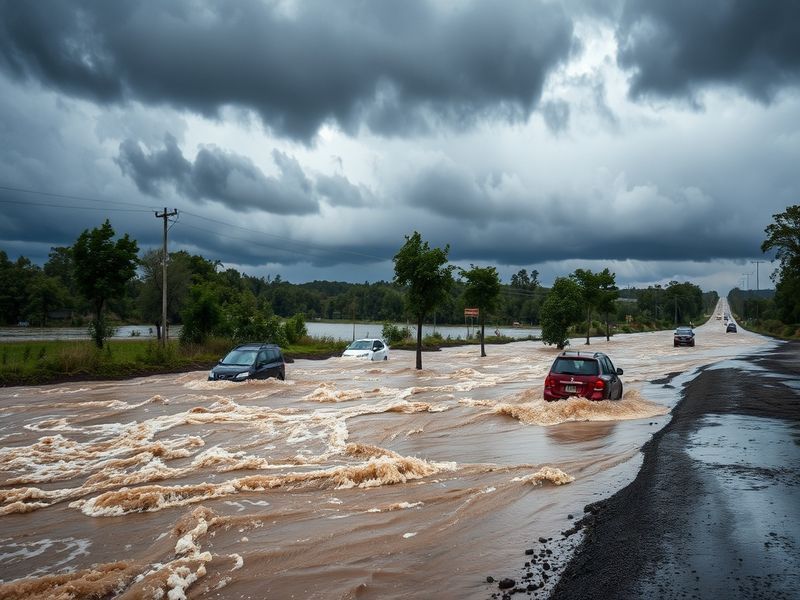
While flood watches primarily serve as warnings, their broader implications extend into economic, environmental, and social spheres. Economically, prolonged flood watches can disrupt local businesses, particularly in agriculture and retail. Supply chains may be delayed due to transportation disruptions, and insurance claims often rise in the aftermath of flooding. The Federal Emergency Management Agency (FEMA) estimates that one inch of floodwater can cause up to $25,000 in damage to a home, underscoring the financial stakes involved.
Environmentally, flooding plays a dual role. While it can replenish wetlands and deposit nutrient-rich sediment, excessive flooding can lead to water contamination, soil erosion, and long-term habitat destruction. Agricultural runoff during floods can introduce pollutants into waterways, harming aquatic ecosystems. In urban areas, flooding overwhelms wastewater treatment systems, leading to sewage overflows that threaten public health.
Socially, flood watches highlight disparities in community resilience. Low-income neighborhoods often lack the resources to prepare effectively or recover quickly from flooding. Infrastructure disparities, such as inadequate drainage systems, exacerbate the impact in these areas. According to a recent analysis on Dave’s Locker, addressing these inequities requires coordinated efforts between governments, nonprofits, and community organizations to invest in resilient infrastructure and education programs.
Looking Ahead: Climate Change and the Future of Flood Watches
The increasing frequency and intensity of flood watches in recent years are closely tied to climate change. Warmer temperatures lead to more evaporation, which in turn fuels heavier rainfall events. The National Oceanic and Atmospheric Administration (NOAA) reports that the frequency of heavy rainfall events in the United States has risen by 40% since the 1950s. This trend is expected to continue, making flood watches a more routine part of life in many regions.
Adaptation will be key to mitigating future risks. Cities are beginning to adopt green infrastructure solutions, such as permeable pavements and rain gardens, to absorb excess water. Floodplain management policies are being updated to restrict development in high-risk areas, and early warning systems are being enhanced with real-time data and AI-driven predictive models. These innovations aim to reduce the reliance on reactive measures like flood watches and instead foster proactive resilience.
For individuals, staying ahead of the curve means embracing a culture of preparedness. This includes participating in community emergency drills, staying informed about local flood risks, and advocating for policies that prioritize climate adaptation. While flood watches may never disappear entirely, their impact can be significantly lessened through collective action and forward-thinking strategies.
Conclusion
Flood watches are more than just weather alerts—they are a vital component of a broader strategy to protect lives, property, and communities. By understanding the science behind these watches, preparing effectively, and addressing the systemic factors that amplify flood risks, we can build a future that is safer and more resilient. As climate change continues to reshape our environment, the lessons learned from each flood watch will be essential in guiding our preparedness efforts and safeguarding our collective well-being.