flood watch
“`html
Understanding Flood Watch: Preparation and Response in High-Risk Zones
Floods remain one of the most frequent and destructive natural disasters worldwide, affecting millions annually. When meteorological agencies issue a Flood Watch, it signals a heightened risk of flooding in specific areas within the next 12 to 48 hours. Unlike a warning, which confirms flooding is imminent, a watch serves as a proactive alert to help communities prepare. The distinction is critical: preparation saves lives, property, and resources.
In recent years, changing climate patterns have increased the frequency of extreme weather events, including heavy rainfall and rapid snowmelt—both prime triggers for flooding. Urbanization, with its expanses of concrete and reduced natural drainage, has further intensified the risk. Understanding the mechanisms behind flood watches, recognizing warning signs, and knowing how to respond can make the difference between safety and disaster.
How a Flood Watch Is Declared
Flood watches are issued by national meteorological services such as the National Weather Service in the United States or Environment and Climate Change Canada. The declaration follows a rigorous process that combines real-time data, modeling, and expert analysis.
Key factors considered include:
- Meteorological conditions: Sustained heavy rainfall, rapid snowmelt, or a combination of both.
- Soil saturation: Ground already saturated from prior precipitation cannot absorb additional water.
- River and stream levels: Elevated water levels in nearby bodies of water indicate potential overflow.
- Topography: Low-lying areas, floodplains, and urban drainage systems are particularly vulnerable.
Once conditions meet or exceed predetermined thresholds, a Flood Watch is activated. It remains in effect until the threat subsides or transitions into a Flood Warning, which indicates flooding is occurring or imminent.
What to Do When a Flood Watch Is Issued
Receiving a Flood Watch is not a time for panic, but it is a moment to act deliberately. Preparation during this window can significantly reduce risk and loss. Authorities consistently emphasize a clear, structured response.
The following steps are widely recommended by emergency management agencies:
- Stay informed: Monitor local news, weather apps, and official alerts from the National Weather Service or equivalent authority. Avoid relying solely on social media for real-time updates.
- Prepare an emergency kit: Include water, non-perishable food, medications, flashlights, batteries, first-aid supplies, and important documents in a waterproof container.
- Secure your property: Move valuables to higher floors, elevate appliances, and install sandbags if recommended. Clear gutters and drains to improve water flow.
- Plan evacuation routes: Identify at least two exit paths from your home and neighborhood. Be aware of road closures and potential detours in advance.
- Know your flood risk: Use tools like FEMA’s Flood Map Service Center to determine your property’s flood zone. Even areas outside high-risk zones can experience flooding.
- Communicate your plan: Ensure all household members, including children and elderly relatives, understand the evacuation plan and know where to meet if separated.
These actions are not speculative—they are time-tested measures endorsed by disaster preparedness experts. Failure to act during a Flood Watch often leads to irreversible consequences when flooding occurs.
The Broader Impact: Beyond the Immediate Threat
While personal safety is the immediate concern, the ripple effects of flooding extend far beyond individual homes. Infrastructure damage disrupts transportation, utilities, and supply chains. Hospitals, schools, and emergency services may face operational challenges, delaying critical care and response.
Economically, floods can devastate local businesses, especially those in floodplains or dependent on just-in-time delivery systems. Agricultural regions suffer from soil erosion and crop loss, affecting food security. The cost of recovery often runs into billions, straining municipal budgets and insurance systems.
Environmentally, floods can reshape ecosystems. While they deposit nutrient-rich sediment that benefits farmland, they also carry pollutants into rivers and oceans, harming aquatic life. Wetlands, which act as natural flood buffers, are often degraded by development, reducing their capacity to absorb excess water.
Climate change is intensifying this cycle. Warmer air holds more moisture, leading to heavier rainfall events. In some regions, outdated infrastructure struggles to handle the volume, increasing the frequency of flood watches and warnings.
Looking Ahead: Building Resilience in a Changing Climate
As flood risks grow, so too must our strategies for resilience. This requires a combination of policy, technology, and community engagement. Investing in green infrastructure—such as permeable pavements, rain gardens, and restored wetlands—can enhance natural water absorption and reduce runoff.
Cities are increasingly adopting smart drainage systems that use sensors and real-time data to manage water flow. Homeowners can retrofit properties with flood barriers, elevate utilities, and install sump pumps. Insurance providers are also adapting, offering incentives for properties that implement flood mitigation measures.
Community education remains vital. Many residents in flood-prone areas remain unaware of their risk until it’s too late. Public awareness campaigns, school programs, and neighborhood drills can foster a culture of preparedness.
Ultimately, a Flood Watch is more than an alert—it’s a call to action. It reflects our growing understanding of environmental vulnerability and the need for proactive, adaptive responses. By respecting the science behind these warnings and taking meaningful steps to prepare, individuals and communities can turn a moment of risk into a foundation for long-term resilience.
Preparation does not eliminate danger, but it transforms uncertainty into opportunity—for safety, for learning, and for building a more resilient future.
—
METADATA
{
“title”: “Flood Watch: How to Prepare When Rising Waters Are Expected”,
“metaDescription”: “Learn what a Flood Watch means, how to prepare, and why climate change is making flooding more frequent and severe.”,
“categories”: [“News”, “Science”],
“tags”: [“flood watch”, “flood preparation”, “natural disaster”, “emergency readiness”, “climate resilience”],
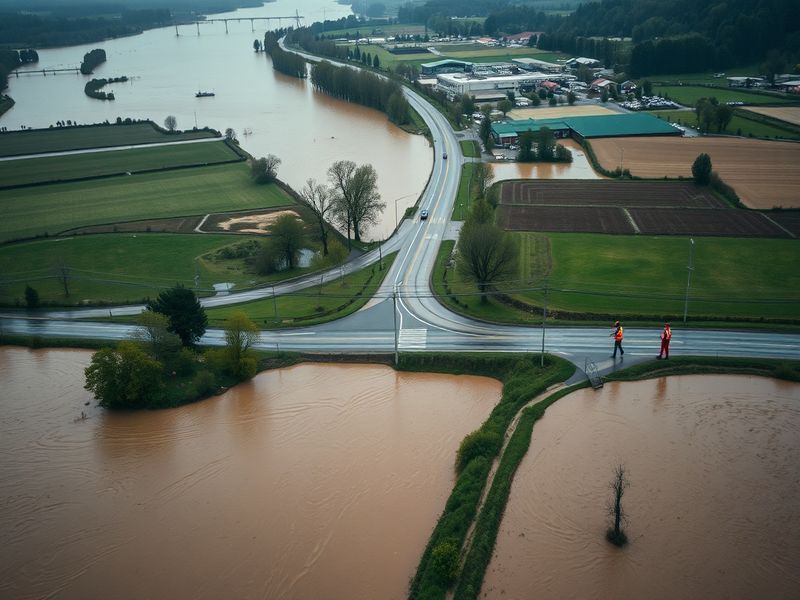
“imageDescription”: “A flooded urban street at dusk, with water rising around parked cars and buildings. Streetlights reflect on the water’s surface. Emergency vehicles and sandbags are visible in the background. The scene conveys urgency and preparation.”
}
—END METADATA—