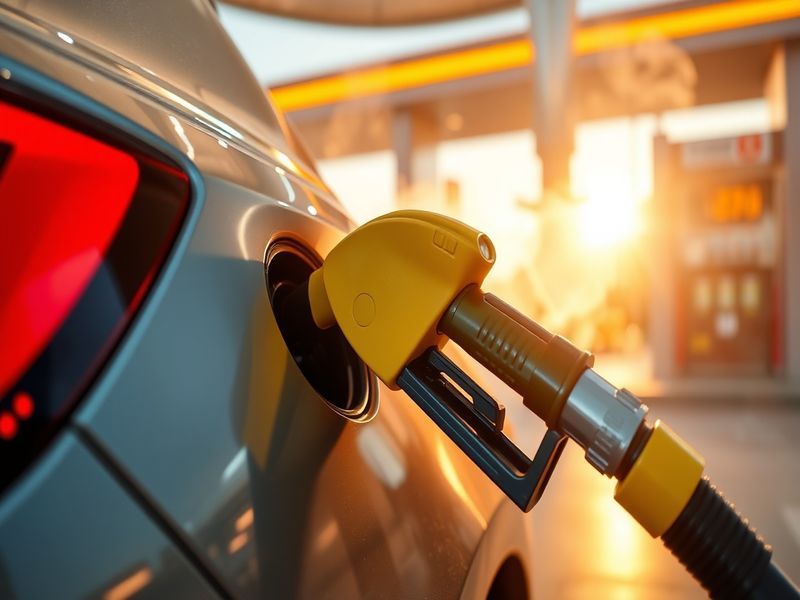
Whether you’re commuting to work, planning a road trip, or just running errands, locating quality gasoline near you is essential. Fuel prices fluctuate daily, station cleanliness varies, and service quality can significantly impact your vehicle’s performance. This guide explores how to find the best gasoline stations in your area, what to look for in a fuel stop, and how to save money while ensuring your car gets the right type of fuel.
Why Gasoline Quality Matters for Your Vehicle
Not all gasoline is created equal. The quality of fuel directly affects your engine’s efficiency, longevity, and overall performance. Higher-quality gasoline typically contains detergents that help clean fuel injectors, intake valves, and combustion chambers, reducing carbon buildup that can lead to poor engine performance and increased emissions.
Many stations offer different grades of gasoline, from regular unleaded to premium and even ethanol-blended options. Using the wrong type can cause engine knocking or reduced power. Always refer to your vehicle’s manual to determine the recommended octane level. Additionally, some stations add extra additives that claim to improve engine performance, though their effectiveness varies by brand.
Another critical factor is the freshness of the gasoline. Fuel that sits too long in storage tanks can degrade and form varnish or gum deposits, which may clog fuel filters and injectors. High-turnover stations typically have fresher fuel because their tanks are replenished more frequently.
How to Find the Best Gasoline Stations Near You
With countless options available, choosing the right gasoline station can feel overwhelming. Here are key factors to consider when searching for “gasoline near me”:
- Price Transparency: Use apps like GasBuddy or Google Maps to compare prices in real-time. Prices can vary significantly even between stations just a few miles apart.
- Brand Reputation: Major brands like Shell, Chevron, and Exxon often invest in fuel additives and cleaner-burning formulas. However, local stations may offer competitive pricing and equally good service.
- Facility Cleanliness: A clean station with well-maintained pumps and a tidy convenience store suggests better overall maintenance. A cluttered or dirty station may indicate a lack of care in other areas.
- Payment Options: Some stations offer discounts for cash payments or have loyalty programs that provide fuel rebates. Others may have contactless payment options for added convenience.
- Location and Convenience: Consider stations along your regular routes or near major highways if you travel frequently. Some stations are open 24/7, which can be crucial for late-night or early-morning refueling.
For drivers who prioritize vehicle care, stations branded with Top Tier gasoline are worth seeking out. Top Tier is a designation given to stations that meet higher detergent additive standards set by automakers like GM, Honda, and Toyota. These fuels help keep engines cleaner and may reduce the risk of long-term damage.
Saving Money on Gasoline Without Sacrificing Quality
Fuel costs can take a significant bite out of your monthly budget, but there are ways to minimize expenses without compromising on quality. One of the simplest strategies is to use fuel rewards programs offered by many gas stations and credit cards. These programs often provide discounts per gallon or cashback rewards that add up over time.
Another approach is to fill up during off-peak hours. Some stations adjust prices based on demand, so refueling early in the morning or late at night may yield slight savings. Additionally, avoid topping off your tank, as this can lead to spills and waste fuel that doesn’t get used.
For those willing to plan ahead, apps like GasBuddy and Waze can alert you to nearby stations with lower prices. These tools aggregate data from users and display real-time pricing, helping you make informed decisions. Some apps even track your vehicle’s fuel efficiency, allowing you to optimize your driving habits for better mileage.
It’s also worth noting that credit cards with cashback or fuel-specific rewards can provide additional savings. Cards like the Chase Freedom Flex or the Costco Anywhere Visa offer cashback on gasoline purchases, effectively reducing the overall cost per gallon.
Common Myths About Gasoline and Fuel Efficiency
Misinformation about gasoline can lead to poor decisions that waste money or harm your vehicle. One prevalent myth is that premium gasoline improves performance in all cars. In reality, only vehicles designed for high-octane fuel benefit from it. Using premium in a car that requires regular unleaded is an unnecessary expense.
Another myth is that filling up at specific times of day affects fuel prices. While some believe that fuel is cheaper at night, the reality is that prices are determined by wholesale costs and local competition, not the time of purchase. However, filling up early in the week may sometimes yield slightly lower prices, as weekend travel can drive demand higher.
A third misconception is that premium gasoline cleans your engine better than regular. While some premium fuels contain more additives, the difference in cleaning efficacy is often minimal unless you’re using a Top Tier fuel. Regular maintenance, such as oil changes and air filter replacements, has a far greater impact on engine cleanliness and longevity.
Lastly, many drivers believe that ethanol-blended fuels damage their engines. While ethanol can slightly reduce fuel efficiency, modern vehicles are designed to handle these blends. The Environmental Protection Agency (EPA) mandates that all gasoline sold in the U.S. contains up to 10% ethanol, and most cars on the road today are compatible with these blends.
What to Do If You Accidentally Use the Wrong Fuel
Mistakes happen, and sometimes drivers accidentally fill their tanks with the wrong type of fuel. If you realize your mistake before starting the engine, do not turn the key or attempt to start the car. Call a tow truck immediately to have the vehicle transported to a service station. Driving a car with the wrong fuel can cause severe damage to the fuel system and engine.
If you’ve already started the engine, pull over safely and turn it off as soon as possible. Call for roadside assistance or a tow truck to avoid further damage. Do not try to drain the tank yourself unless you’re experienced, as this can lead to spills or improper handling of hazardous materials.
Many insurance policies and credit cards offer roadside assistance coverage, which can include fuel-related services. Programs like AAA also provide emergency fuel delivery if you run out of gas or accidentally use the wrong type. It’s a good idea to save these contact numbers in your phone for quick access in an emergency.
Conclusion: Making Informed Choices for Your Fuel Needs
Finding reliable gasoline near you doesn’t have to be a guessing game. By considering factors like fuel quality, station reputation, and price transparency, you can make informed decisions that benefit both your wallet and your vehicle. Whether you prioritize Top Tier fuels, loyalty rewards, or convenient locations, the key is to stay informed and plan ahead.
Remember that not all gasoline is the same, and using the right type for your vehicle can prevent long-term damage and improve performance. Take advantage of the tools and apps available to compare prices and track fuel efficiency, and always double-check your fuel type to avoid costly mistakes.
Next time you search for “gasoline near me,” use this guide to ensure you’re making the best choice for your needs. With a little research and planning, you can save money, protect your vehicle, and enjoy a smoother driving experience.