San Diego Padres vs. Boston Red Sox: A Clash of Baseball Philosophies and Global Appeal
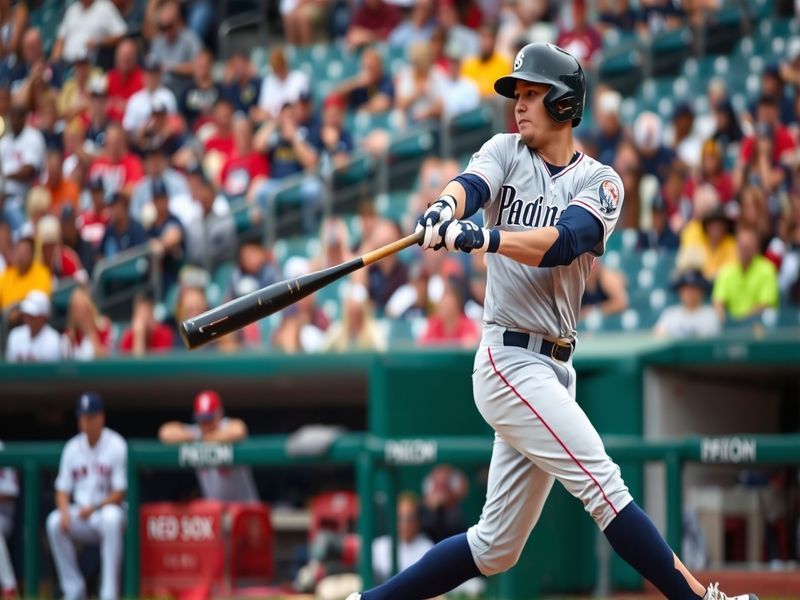
The matchup between the San Diego Padres and the Boston Red Sox isn’t just another interleague series—it’s a collision of two distinct baseball cultures. One team represents the laid-back, sun-soaked optimism of Southern California, while the other embodies the historic grit and blue-collar determination of New England. Beyond the field, this rivalry reflects broader trends in how baseball is played, marketed, and perceived around the world.
The Padres, often seen as underdogs with flashes of brilliance, and the Red Sox, a franchise steeped in tradition and success, create a dynamic that extends far beyond wins and losses. Their matchups offer a lens into how baseball’s global reach has evolved, blending analytics, international talent, and fan engagement in ways that resonate far beyond U.S. borders.
The Padres: A Modern Approach with Global Ambitions
The San Diego Padres have undergone a dramatic transformation in recent years, shifting from perennial underachievers to a team with legitimate postseason aspirations. This evolution is tied to the franchise’s embrace of analytics, player development, and a willingness to take bold risks. Under the leadership of general manager A.J. Preller, the Padres have become synonymous with aggressive moves—whether trading for star players or drafting high-ceiling prospects.
This approach has made San Diego a magnet for young talent from across the Americas and beyond. Players like Fernando Tatis Jr., a Dominican superstar whose electrifying play has captivated fans worldwide, embody the Padres’ global appeal. Tatis’s rise mirrors the broader trend of Latin American players reshaping Major League Baseball, bringing flair, power, and marketability to the sport.
- International Influence: The Padres’ farm system is a testament to baseball’s global reach, with prospects hailing from Venezuela, Mexico, and the Dominican Republic.
- Analytics-Driven Decisions: San Diego’s front office prioritizes data-driven strategies, from defensive shifts to bullpen usage, reflecting a broader shift in baseball.
- Fan Engagement: The team’s vibrant, youthful fanbase has embraced the Padres’ aggressive style, creating a culture of optimism and high expectations.
Yet, despite their progress, the Padres remain a team that must prove itself on the biggest stages. Their clashes with the Red Sox often highlight this tension—San Diego’s potential against Boston’s championship pedigree.
The Red Sox: Tradition, Pressure, and the Weight of Expectations
The Boston Red Sox are baseball’s ultimate contradiction: a team with a storied history and a fanbase that demands nothing less than excellence. Founded in 1901, the franchise has won nine World Series titles, but its identity is defined by more than just victories. The Red Sox represent the relentless pursuit of greatness, often under the microscope of a city that lives and dies with its teams.
In recent years, Boston’s approach has been a mix of star power and old-school pragmatism. Players like Mookie Betts and Xander Bogaerts became household names not just for their talent but for their ability to thrive in high-pressure situations. The Red Sox’s success is often attributed to their ability to develop homegrown talent and make shrewd acquisitions, a philosophy that contrasts with the Padres’ more speculative, high-risk strategy.
- Cultural Significance: The Red Sox are more than a team; they’re a cultural institution in New England, with a fanbase that expects constant contention.
- Pitching as a Priority: Boston has long relied on dominant pitching staffs, from Pedro Martinez to Chris Sale, to carry them through tight games.
- Global Fandom: While rooted in tradition, the Red Sox have cultivated a massive international following, thanks in part to their historic 2004 curse-breaking season.
The Red Sox’s clash with the Padres isn’t just about matchups—it’s about contrasting philosophies. Boston thrives on consistency and clutch performances, while San Diego embraces the unpredictability of youth and innovation.
Beyond the Field: A Global Baseball Tapestry
The Padres vs. Red Sox rivalry transcends the diamond, reflecting broader shifts in how baseball is played and consumed worldwide. The Padres’ reliance on international talent and analytics mirrors a global trend, where teams blend cutting-edge technology with raw athletic potential. Meanwhile, the Red Sox’s emphasis on tradition and resilience speaks to baseball’s enduring connection to its past.
This dynamic plays out in how the teams are perceived internationally. The Padres, with their young stars and high-energy style, resonate with younger, globally minded fans. The Red Sox, with their historic legacy, attract older, more nostalgic audiences. Yet both teams share a common goal: to grow baseball’s footprint beyond its traditional strongholds.
For example, the Padres’ recent series in London demonstrated baseball’s push into new markets. Meanwhile, the Red Sox’s historic Fenway Park remains a pilgrimage site for baseball purists, drawing fans from Japan, South Korea, and beyond. These matchups aren’t just games—they’re opportunities to showcase baseball’s evolving identity.
What’s at Stake in the Matchup
The Padres vs. Red Sox series is more than a footnote in the MLB calendar. For San Diego, it’s a chance to prove they belong among baseball’s elite. For Boston, it’s an opportunity to assert their dominance in a league where the competition is fiercer than ever.
Beyond the standings, the series highlights key trends in modern baseball:
- Player Development: The Padres’ focus on young talent versus the Red Sox’s blend of veterans and rising stars.
- Strategic Innovation: How each team uses analytics, defensive shifts, and bullpen management to gain an edge.
- Fan Experience: The Padres’ vibrant, social-media-driven fanbase contrasts with the Red Sox’s traditional, loyalty-driven following.
Ultimately, the Padres vs. Red Sox matchup is a microcosm of baseball’s global evolution. It’s a clash of styles, philosophies, and cultures—one that offers fans a glimpse into the future of the sport.
A Conclusion That Looks Ahead
As baseball continues to expand its global reach, matchups like Padres vs. Red Sox become more than just games. They’re cultural exchanges, showcasing the diversity of talent, strategy, and fandom that define the sport today. For the Padres, it’s about proving that innovation can lead to sustained success. For the Red Sox, it’s about upholding a legacy while adapting to a changing game.
Regardless of the outcome, this rivalry highlights what makes baseball so compelling: its ability to blend tradition with progress, nostalgia with innovation. And as long as teams like San Diego and Boston continue to push the boundaries of what’s possible, the sport will only grow stronger.