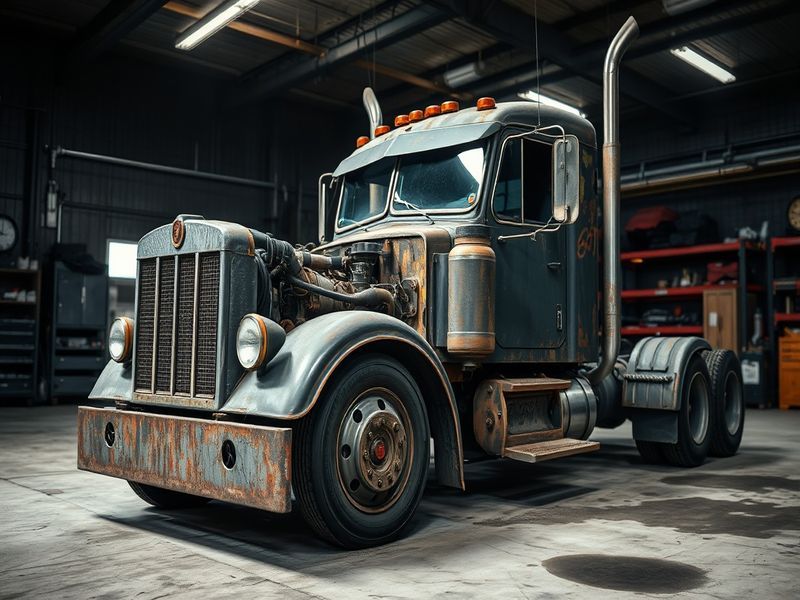
Diesel Fuel: The Industrial Workhorse Facing an Uncertain Future
Diesel fuel has long been the unsung hero of the global economy, powering everything from massive cargo ships to the trucks that deliver goods to local stores. While electric vehicles and alternative fuels dominate headlines, diesel remains critical to industries where sheer power and efficiency matter most. Its story is one of adaptability, environmental scrutiny, and an uncertain future as the world shifts toward sustainability.
The Origins and Industrial Dominance of Diesel
Invented by Rudolf Diesel in the late 19th century, diesel fuel was designed to be more efficient than gasoline. Unlike gasoline engines, which rely on spark plugs, diesel engines compress air to such high temperatures that fuel ignites spontaneously when injected. This fundamental difference made diesel engines more fuel-efficient, particularly for heavy-duty applications.
By the mid-20th century, diesel had cemented its place in transportation and industry. Trucking companies favored it for long-haul routes due to its durability and lower fuel consumption. Railroads adopted diesel-electric locomotives, phasing out coal-powered trains. Even agriculture embraced diesel-powered machinery, revolutionizing farming efficiency. The fuel’s energy density and reliability made it indispensable in sectors where downtime is costly.
Today, diesel’s influence extends beyond transportation. It fuels backup generators for hospitals, powers construction equipment, and drives industrial generators. The fuel’s role in these sectors highlights its reliability in scenarios where consistent power is non-negotiable. However, this dominance has not come without consequences.
The Environmental Cost and Regulatory Pressures
The same qualities that make diesel efficient also contribute to its environmental drawbacks. Diesel engines emit higher levels of nitrogen oxides (NOx) and particulate matter (PM) compared to gasoline engines. These pollutants are linked to respiratory diseases, smog, and environmental degradation. Urban areas, in particular, have borne the brunt of diesel’s emissions, leading to public health crises and stricter regulations.
In response, governments worldwide have implemented stringent emissions standards. The European Union’s Euro 6 standards, for example, limit NOx and PM emissions to near-zero levels. In the United States, the Environmental Protection Agency (EPA) has phased in Tier 3 and Tier 4 standards, which require diesel engines to meet rigorous pollution controls. These regulations have forced manufacturers to innovate, leading to the development of cleaner diesel technologies.
One such innovation is the diesel particulate filter (DPF), which traps soot and other particulates, reducing emissions. Selective catalytic reduction (SCR) systems inject urea into the exhaust stream to neutralize NOx. While these technologies have significantly reduced diesel’s environmental impact, they also increase the complexity and cost of diesel engines. The question remains: Can diesel adapt fast enough to survive in a world increasingly focused on zero-emission alternatives?
Key Challenges Facing Diesel in a Changing Energy Landscape
- Regulatory Hurdles: Stricter emissions standards are making it harder and more expensive to produce compliant diesel engines, particularly in passenger vehicles.
- Rising Costs: The addition of emissions control systems has driven up the price of diesel vehicles, making them less competitive against gasoline and electric alternatives.
- Competition from Alternatives: Electric vehicles (EVs) and hydrogen fuel cells are gaining traction, particularly in passenger cars and light-duty applications where diesel once dominated.
- Public Perception: Diesel has developed a reputation as a dirty fuel, despite improvements in emissions technology. Overcoming this stigma is a significant challenge.
- Infrastructure Limitations: While diesel fueling stations are widespread, the infrastructure for EVs and hydrogen is expanding rapidly, offering more convenient alternatives for consumers.
Diesel’s Future: Adaptation or Decline?
The future of diesel is a subject of debate among industry experts, policymakers, and environmental advocates. On one hand, diesel’s efficiency and power make it indispensable in sectors where electrification is impractical. Heavy-duty trucks, shipping, and industrial machinery still rely on diesel, and there are no immediate alternatives that can match its energy density and reliability.
On the other hand, the push toward decarbonization is accelerating. The European Union, for example, has proposed a ban on new internal combustion engine vehicles by 2035, which would effectively phase out diesel-powered cars. Even in commercial applications, hydrogen and electric powertrains are making inroads. Companies like Tesla and Nikola are developing electric semi-trucks, while hydrogen fuel cells are being tested for long-haul shipping.
Yet, diesel is not going down without a fight. The fuel industry is exploring sustainable alternatives, such as renewable diesel and biodiesel, which can reduce carbon emissions without requiring a complete overhaul of existing infrastructure. Renewable diesel, made from waste fats and oils, can be used in existing diesel engines without modification, offering a drop-in solution for reducing carbon footprints. Meanwhile, biodiesel—a blend of petroleum diesel and renewable fats—is already widely used in many countries.
Another area of innovation is in diesel-electric hybrid systems, which combine the efficiency of diesel with the low-emission benefits of electric power. These systems are particularly useful in applications like marine transport and rail, where hybrid solutions can optimize fuel consumption and reduce emissions.
What Lies Ahead for Diesel?
Diesel’s role in the global economy is far from over, but its future will depend on its ability to adapt to a rapidly changing energy landscape. For industries where diesel remains critical, the focus will likely shift toward cleaner alternatives and hybrid solutions. The development of renewable diesel and biodiesel could provide a bridge to a lower-carbon future without requiring a complete abandonment of existing infrastructure.
However, the long-term outlook for diesel in passenger vehicles is less certain. As governments implement stricter emissions standards and incentives for electric vehicles grow, diesel’s market share in this segment is likely to shrink. The challenge for diesel advocates will be to prove its relevance in a world where sustainability is increasingly prioritized.
For now, diesel remains a vital part of the global energy mix. Its efficiency, reliability, and adaptability have ensured its survival through decades of technological change. Whether it can continue to evolve in the face of environmental pressures and the rise of alternative fuels will determine its place in the energy landscape of the future.
One thing is clear: Diesel’s story is far from over. As the world grapples with the complexities of energy transition, diesel will continue to play a role—though perhaps a diminished one—in the global economy.
For those interested in exploring the broader implications of fuel technologies, Dave’s Locker’s Automotive section offers insights into the latest developments in vehicle technology and energy solutions. Additionally, our Technology category covers innovations that are shaping the future of transportation and industry.