Jerome Powell Subpoenas: What Investors Should Watch Next
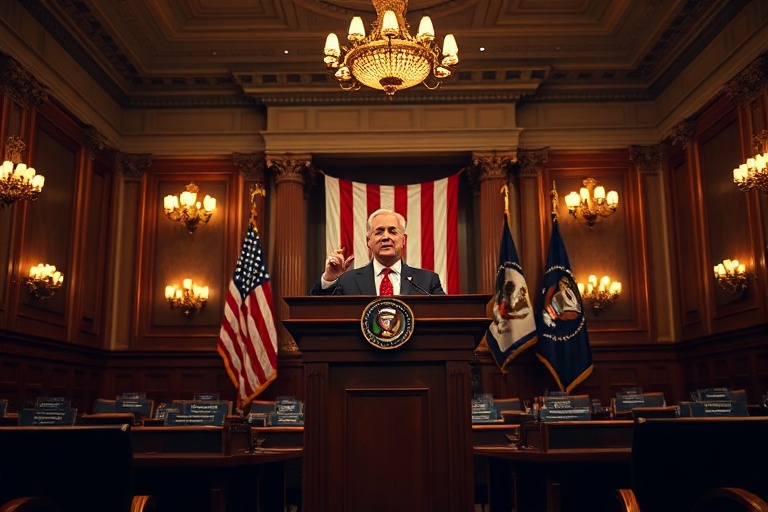
Federal Reserve Chair Jerome Powell has become the subject of congressional subpoenas, marking a rare escalation in oversight of the central bank’s policies. The move reflects growing bipartisan frustration over the Fed’s handling of inflation, banking regulations, and monetary policy transparency. While subpoenas against Fed officials are uncommon, they signal deeper political divides over economic governance.
Investors and policymakers are closely watching the situation. The subpoenas could delay critical decisions, influence market sentiment, and reshape expectations for future Fed actions. Here’s what you need to understand about this unfolding story.
Why Were Subpoenas Issued Against Jerome Powell?
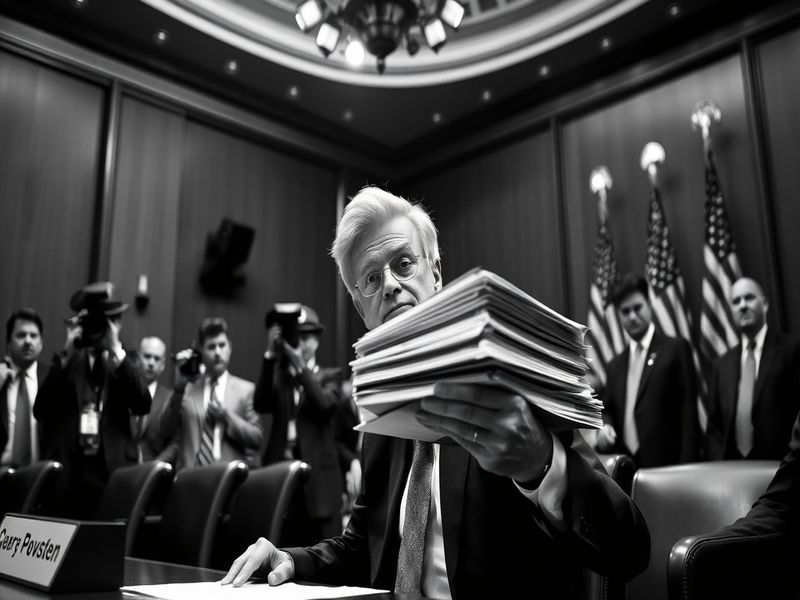
The subpoenas stem from multiple congressional committees seeking documents and testimony related to the Fed’s 2023 interest rate hikes and its oversight of regional banks. Key concerns include:
- The Fed’s delayed response to rising inflation and its impact on household budgets
- Allegations of insufficient scrutiny over Silicon Valley Bank’s collapse
- Questions about the independence of the Federal Reserve from political pressures
Critics argue that Powell’s leadership prioritized market stability over inflation control, while supporters contend that external pressures—such as fiscal stimulus—hampered the Fed’s ability to act decisively. The subpoenas aim to uncover whether internal communications or policy decisions were influenced by political considerations.
One Republican lawmaker stated, “The American people deserve transparency about why families are paying more for groceries and mortgages.” Meanwhile, Democrats have focused on whether Powell’s policies disproportionately affected low-income households.
The Political and Economic Fallout
The subpoenas arrive at a precarious time for the U.S. economy. Inflation remains above the Fed’s 2% target, and recent banking sector stresses have raised doubts about financial stability. Powell’s confirmation for a second term in 2022 was contentious, with senators divided over his approach to monetary policy.
Analysts warn that prolonged scrutiny could paralyze the Fed’s decision-making. A delayed policy response, for example, might force more aggressive rate hikes later, increasing the risk of a recession. Some economists suggest that the subpoenas reflect broader discontent with the Fed’s perceived lack of accountability.
Politically, the move complicates Powell’s relationship with both parties. While Republicans seek to tie his tenure to economic struggles, Democrats may use the hearings to push for reforms like stricter Fed oversight or even structural changes to the central bank.
What Happens Next?
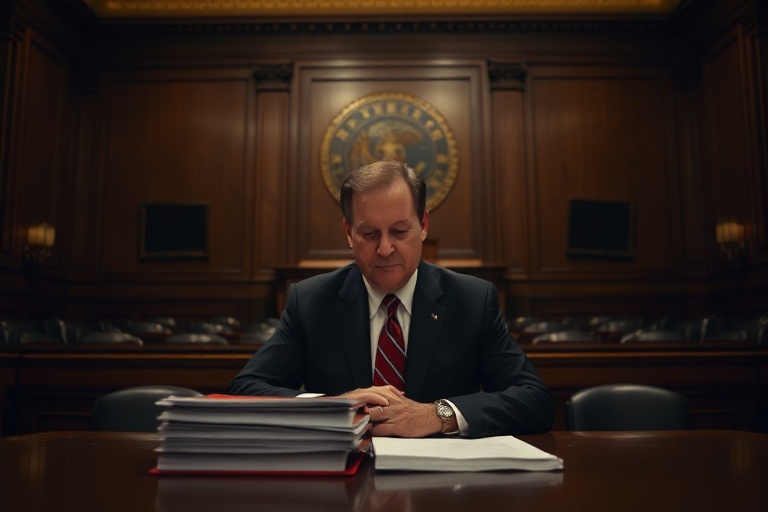
The timeline for compliance remains unclear. Powell’s legal team is likely to negotiate the scope of the subpoenas, potentially limiting the release of sensitive internal communications. A congressional hearing could follow, where Powell would face tough questioning from lawmakers eager to score political points.
Market reactions have been muted so far, but volatility could spike if the subpoenas lead to unexpected revelations or policy shifts. Investors should monitor:
- Fed communications for signals about future rate decisions
- Congressional statements for hints about legislative responses
- Banking sector indicators, such as loan growth and deposit flows
Historically, Fed officials have resisted congressional oversight to protect their independence. However, the subpoenas suggest that political patience is wearing thin. The outcome could redefine the balance of power between the central bank and Capitol Hill.
Broader Implications for the Fed and Economy
This episode highlights deeper tensions in economic governance. The Fed’s dual mandate—to manage inflation and unemployment—often conflicts with political priorities. Subpoenas like these could encourage future lawmakers to intervene more aggressively in monetary policy, undermining the Fed’s autonomy.
For investors, the key takeaway is uncertainty. The subpoenas introduce a new variable into Fed decision-making, making it harder to predict policy shifts. Those exposed to interest-rate-sensitive sectors, such as housing or tech, should prepare for potential volatility.
Ultimately, the hearings may not lead to immediate changes, but they set a precedent. If Congress successfully pressures the Fed through subpoenas, it could embolden lawmakers to seek greater control over economic policy—a development that could reshape markets for years to come.
For now, all eyes are on Powell. His responses could either restore confidence or further erode trust in the Fed’s ability to navigate these challenges.
For more on the intersection of politics and finance, visit our Politics and Finance sections.