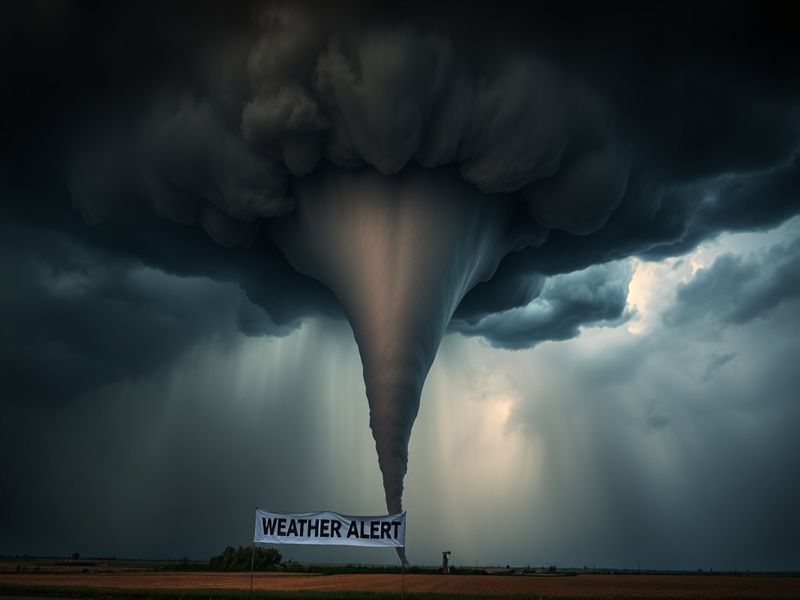
When meteorologists issue a tornado warning near me, it’s time to act—not panic, but act decisively. Unlike a watch, which means conditions are favorable for a tornado, a warning means one has been spotted or detected by radar. These warnings typically cover small areas and last for less than an hour, but that short window can feel like an eternity when lives are on the line.
Every year, the U.S. averages over 1,000 tornadoes, with peak activity from March to August. The Midwest’s “Tornado Alley” sees the highest frequency, but no state is immune. Whether you’re at home, work, or on the road, knowing how to respond when a tornado warning near me is issued can make the difference between safety and tragedy.
How Tornado Warnings Are Issued
Tornado warnings come from the National Weather Service (NWS) after confirmation from trained spotters or radar signatures like the classic “hook echo.” The NWS issues these warnings through local media, NOAA Weather Radio, and wireless emergency alerts on smartphones. In some cases, communities use sirens, though their range is limited and they may not be heard indoors.
It’s important to understand the difference between a tornado watch and a warning. A watch means be prepared; a warning means take action immediately. When a tornado warning near me is broadcast, you typically have less than 15 minutes to reach shelter, depending on the storm’s speed and proximity.
Technology plays a growing role in early detection. Doppler radar systems can detect rotation within thunderstorms up to 100 miles away, giving forecasters crucial lead time. Apps like the NWS’s Weather.gov and commercial platforms like Weather Underground provide real-time alerts based on your location, helping you stay ahead of the storm.
Where to Go When a Tornado Warning Is Issued
The safest place during a tornado is an underground shelter or a small, windowless interior room on the lowest level of a sturdy building. Mobile homes are particularly dangerous—even tied-down units can be overturned by 70 mph winds. If you live in a mobile home, identify a nearby permanent structure or community storm shelter in advance.
Here’s a step-by-step guide to finding shelter:
- At home: Go to a basement or storm cellar. If none is available, a bathroom, closet, or interior hallway on the lowest floor works best. Cover yourself with a mattress or heavy blankets to protect against flying debris.
- At work or school: Follow the building’s tornado drill plan. Avoid large open areas like gyms or auditoriums. Get under desks or tables and protect your head and neck.
- In a car: Do not try to outrun a tornado. If the tornado is far away and traffic is light, drive to the nearest sturdy building. Otherwise, pull over, buckle up, and get as low as possible below window level. Use your arms to protect your head.
- Outside with no shelter: Find a low-lying area like a ditch or culvert. Lie flat and cover your head. Be aware of flash flooding, which can be just as deadly.
Remember, the goal is to put as many walls as possible between you and the outside. Even a closet inside a house can reduce the risk of injury from high-speed debris, which causes most tornado-related fatalities.
How to Monitor a Tornado Warning Near Me
Staying informed during severe weather means using multiple sources. Start with the NWS at weather.gov, which provides official warnings and detailed radar imagery. Enable Wireless Emergency Alerts (WEA) on your phone to receive automatic notifications when a warning is issued for your county.
Local news stations often broadcast live during tornado warnings, with meteorologists tracking the storm’s path using radar data. Social media platforms like Twitter and Facebook also serve as real-time sources, but be cautious of misinformation. Follow credible accounts such as the National Weather Service, local emergency management, and trusted local journalists.
Weather apps can be helpful, but not all are equally reliable. The NWS app is free and ad-free, while others may delay alerts or include ads that obscure critical information. Always cross-check alerts with official sources before taking action.
Preparing Before the Storm: Long-Term Safety Tips
While warnings give you minutes to react, preparation can save lives over the long term. Start by creating a family emergency plan that includes where to shelter and how to communicate if cell service is lost. Practice your plan at least twice a year, especially with children, who may panic during the chaos of a storm.
Stock an emergency kit with at least three days of water, non-perishable food, a flashlight with extra batteries, a portable phone charger, a first-aid kit, and a whistle to signal for help. Keep important documents in a waterproof container and know how to turn off utilities in case of damage.
Consider reinforcing your home. Garage doors are often the first to fail in high winds. Retrofitting with hurricane clips or installing storm shutters can reduce damage. If you live in a high-risk area, consult a contractor about building a safe room or storm shelter that meets FEMA guidelines.
Finally, stay connected to your community. Sign up for local emergency notifications through your county’s alert system. Many areas now use systems like CodeRED or Everbridge to send targeted messages via phone, text, and email. Knowing that your neighbors and local officials are prepared can provide peace of mind when dark clouds roll in.
After the Warning Ends: What Comes Next
Once the tornado warning expires or the storm passes, stay cautious. Watch for downed power lines, which may still be live, and report them to authorities immediately. Avoid entering damaged buildings, as aftershocks or weakened structures could collapse. Use your phone sparingly to keep lines open for emergencies.
Check on neighbors, especially the elderly or those with disabilities. Document any damage with photos for insurance purposes, but do not touch debris that may conceal hazards like broken glass or exposed nails.
Tornadoes can be isolating, but recovery is a community effort. Local organizations like the Red Cross often open shelters for displaced residents. Stay tuned to local radio or official social media accounts for updates on power restoration and road closures.
Final Thoughts
A tornado warning near me is not a drill—it’s a call to act. While technology has improved detection, nothing replaces personal preparedness. Know your shelter options, stay informed through reliable sources, and practice your plan before the sky turns green and the wind starts to howl.
Tornadoes are unpredictable, but your response doesn’t have to be. With the right knowledge and a calm approach, you can turn a moment of fear into a moment of survival.
For more on severe weather preparedness, visit our News and Science sections.