Europe Travel Guide: Best Destinations, Tips & Itineraries
“`html
Travel Europe: A Journey Through History, Culture, and Nature
Europe remains one of the most compelling travel destinations in the world, offering an unparalleled blend of ancient history, vibrant cities, and breathtaking landscapes. Whether you’re drawn to the romantic boulevards of Paris, the medieval charm of Prague, or the rugged beauty of the Scottish Highlands, Europe caters to every traveler’s taste. The continent’s compact size makes it ideal for those who want to experience multiple cultures in a single trip without spending excessive time in transit.
The diversity of Europe is its greatest strength. From the sun-drenched Mediterranean coasts to the fjords of Scandinavia, each region presents a distinct identity shaped by centuries of history. This diversity extends to cuisine, architecture, and even the pace of life, ensuring that no two European destinations feel the same. For travelers seeking both adventure and relaxation, Europe delivers without compromise.
Planning Your European Itinerary
Creating an itinerary for Europe requires balancing ambition with practicality. While it’s tempting to try to see everything, attempting to visit too many countries in a short time often leads to exhaustion rather than enrichment. A well-paced trip might focus on two or three neighboring countries, allowing deeper exploration without the stress of constant travel.
Transportation within Europe has never been easier. The continent’s extensive rail network, exemplified by high-speed trains like France’s TGV and Germany’s ICE, connects major cities efficiently. Budget airlines such as Ryanair and EasyJet offer affordable alternatives for longer distances, though travelers should account for additional time spent at secondary airports. For those who prefer flexibility, renting a car provides access to rural areas and small towns that public transport cannot reach.
Seasonality plays a crucial role in planning. Summer brings warm weather and lively festivals but also crowds and higher prices. Spring and autumn offer milder temperatures and fewer tourists, making them ideal for sightseeing. Winter attracts those seeking festive markets and winter sports, particularly in the Alps and Scandinavia, though some coastal destinations become quieter during the off-season.
Essential Destinations and Hidden Gems
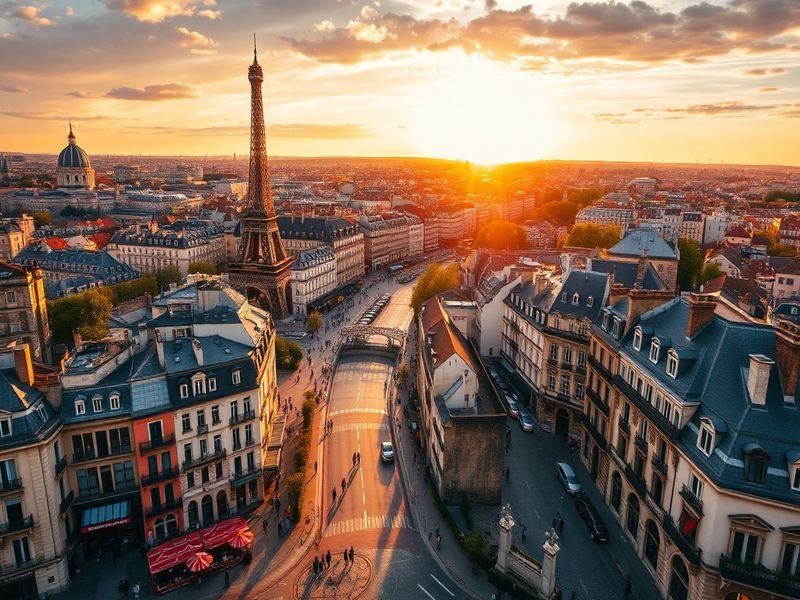
No European trip is complete without visiting its iconic landmarks. Rome’s Colosseum and Paris’s Eiffel Tower are must-sees, but Europe’s true magic often lies beyond the postcard-perfect attractions. Consider swapping a crowded day trip to Venice for the quieter canals of Chioggia, or exploring the medieval town of Cesky Krumlov in the Czech Republic instead of Prague’s Old Town during peak hours.
For history enthusiasts, Europe’s museums offer unparalleled collections. The Louvre in Paris, the British Museum in London, and the Uffizi Gallery in Florence house some of the world’s most famous artworks. Meanwhile, smaller institutions like Amsterdam’s Rijksmuseum or Vienna’s Kunsthistorisches Museum provide equally impressive experiences without the overwhelming crowds.
Nature lovers will find plenty to admire in Europe’s diverse landscapes. The Norwegian fjords, the Swiss Alps, and the Scottish Highlands offer dramatic scenery, while the Plitvice Lakes in Croatia and the Danube Delta in Romania showcase the continent’s ecological richness. For a unique perspective, consider hiking the Camino de Santiago in Spain or cycling through the vineyards of Alsace in France.
Cultural Immersion and Local Experiences
Traveling through Europe isn’t just about seeing the sights—it’s about engaging with the local way of life. Food plays a central role in this immersion. Each region boasts its own culinary traditions, from the tapas bars of Spain to the pasta workshops of Bologna. Participating in a local cooking class or visiting a farmers’ market can provide insight into a culture’s values and history.
Language barriers can enhance the travel experience when approached with curiosity rather than frustration. While English is widely spoken in tourist areas, making an effort to learn basic phrases in the local language often leads to warmer interactions. Even a simple “thank you” in the native tongue can open doors to unexpected conversations and recommendations.
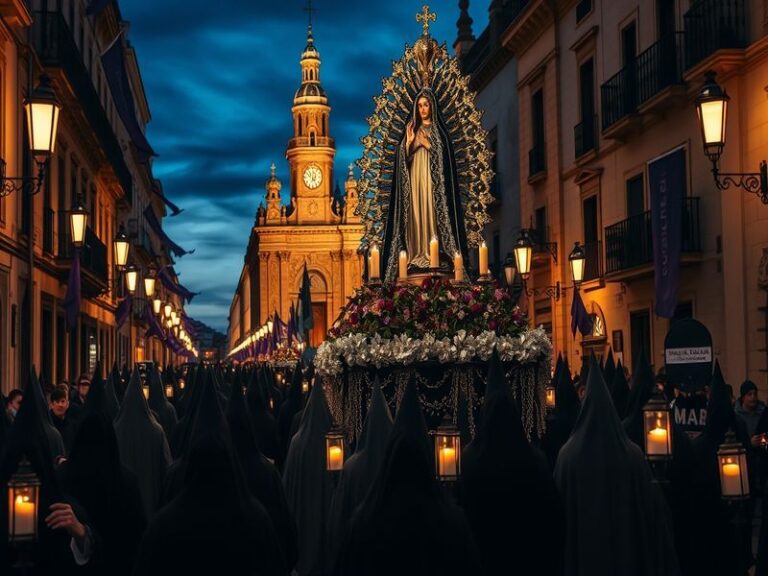
Europe’s cultural calendar is packed with festivals that offer authentic glimpses into local traditions. The Running of the Bulls in Pamplona, Spain, and Oktoberfest in Munich, Germany, are world-famous, but smaller events like Belgium’s Carnival of Binche or Romania’s Mărțișor festival provide equally memorable experiences. These celebrations often coincide with optimal travel times, making them a natural focal point for itineraries.
Sustainable and Responsible Travel in Europe
As awareness of environmental and social impacts grows, so does the demand for sustainable travel options in Europe. The continent leads in eco-friendly initiatives, from carbon-neutral cities like Copenhagen to the extensive network of “green” accommodations certified by the EU Ecolabel. Travelers can reduce their footprint by choosing trains over flights, staying in locally owned hotels, and supporting businesses that prioritize ethical practices.
Responsible tourism also means respecting local communities and their heritage. This includes adhering to rules in protected areas, avoiding overtouristed spots during peak hours, and engaging with local guides who share authentic perspectives. Organizations like Dave’s Locker Travel offer curated experiences that emphasize sustainability and cultural respect, ensuring that tourism benefits both visitors and residents.
Another aspect of responsible travel is supporting the local economy. Shopping at small boutiques, dining at family-run restaurants, and purchasing handmade crafts helps sustain livelihoods beyond the major tourist hubs. Even something as simple as refilling a reusable water bottle at public fountains in cities like Barcelona or Vienna contributes to reducing plastic waste.
Budgeting and Practical Tips
Europe can be as affordable or as luxurious as you make it. While Western Europe’s major cities are notoriously expensive, Eastern Europe and smaller towns offer excellent value. Accommodation costs vary widely—hostels in Berlin might cost as little as €20 per night, while a boutique hotel in Paris could exceed €200. Booking in advance, especially during peak seasons, can secure significant savings.
Food expenses can also be managed with some strategic choices. Street food and casual eateries often provide delicious meals at a fraction of the cost of sit-down restaurants. Many European cities have “menu of the day” offerings that include multiple courses for a set price, a tradition worth embracing. Additionally, grocery shopping at local markets can supplement meals, particularly for breakfast or picnics.
Navigating Europe’s visa requirements is another critical consideration. Citizens of the United States, Canada, Australia, and many other countries can enter the Schengen Zone for up to 90 days within a 180-day period without a visa. However, travelers should verify the latest entry requirements before booking flights, as policies can change. Travel insurance is highly recommended, covering medical emergencies, trip cancellations, and lost luggage.
Final Thoughts: Making the Most of Your European Adventure
Europe’s greatest appeal lies in its ability to surprise and delight at every turn. Whether you’re wandering through a centuries-old village, savoring a meal prepared with locally sourced ingredients, or simply watching the sunset over a historic square, the continent offers moments of pure magic. The key to a memorable trip is balancing planning with spontaneity—leaving room for unexpected discoveries often leads to the most cherished memories.
For those seeking inspiration, Dave’s Locker Europe Travel Guide provides detailed itineraries, insider tips, and lesser-known destinations that go beyond the typical tourist trail. By approaching travel with an open mind and a respectful attitude, visitors can forge connections that transcend the usual tourist experience, creating stories they’ll cherish for years to come.