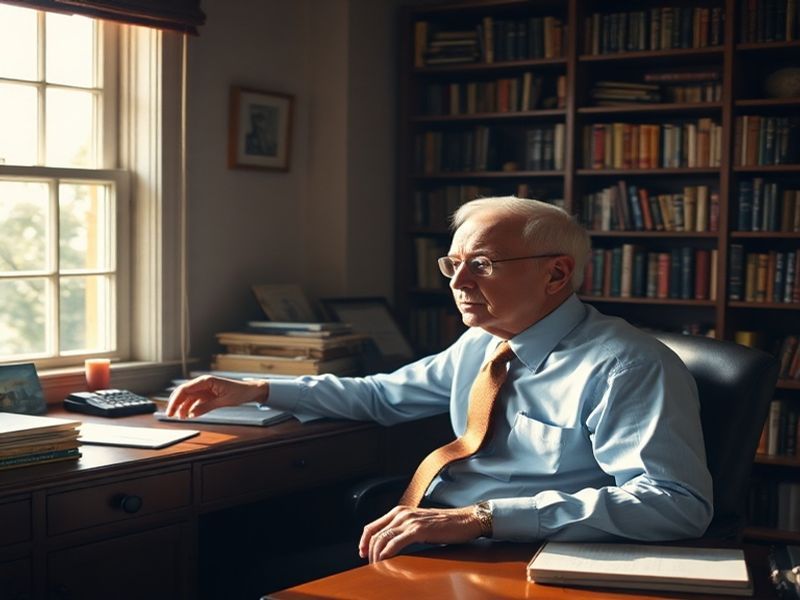
Henry B. Eyring: How Quiet Faith Shapes Modern Mormonism
“`html
Who Is Henry B. Eyring?
Henry Bennion Eyring, born in 1933, has spent decades as a prominent leader within The Church of Jesus Christ of Latter-day Saints (LDS Church). His career spans roles as an educator, administrator, and religious leader, earning him widespread respect across faith and academic communities alike. Eyring’s influence extends beyond church doctrine; his writings and speeches have shaped modern Mormon theology and practice.
Born into a family with deep academic and spiritual roots—his father, Henry Eyring, was a renowned chemist at the University of Utah—Eyring grew up immersed in both intellectual curiosity and religious devotion. This dual legacy would define his own path. After graduating from Harvard Law School, he taught at Stanford University before shifting his focus toward religious service. His transition from academia to full-time church leadership reflects a deliberate choice to prioritize spiritual guidance over professional prestige.
Leadership Roles and Contributions
Eyring’s rise within the LDS Church reflects a pattern of steady service rather than dramatic ascension. He served as a regional representative, a general authority, and eventually as a member of the First Presidency, the church’s highest governing body. His roles have included overseeing missionary efforts, education initiatives, and temple construction—areas where his administrative skills became particularly evident.
One of his most notable contributions has been in the realm of religious education. As commissioner of church education, he helped expand the Church Educational System, which includes universities, seminaries, and institutes worldwide. His emphasis on lifelong learning and spiritual development has left a lasting mark on how the LDS Church approaches discipleship and discipleship training.
Key Areas of Influence
- Missionary Work: Eyring played a pivotal role in modernizing missionary training and expanding global outreach programs.
- Temple Expansion: Under his guidance, the church accelerated temple construction, making sacred ordinances more accessible to members worldwide.
- Youth Programs: He championed initiatives aimed at strengthening youth engagement, including adjustments to youth curriculum and leadership training.
- Literary Legacy: His books, such as I Will Prepare You a Place in the House of the Lord, have become foundational texts for Latter-day Saint readers.
Philosophy and Teachings
Eyring’s teachings often emphasize personal accountability, the importance of small daily choices, and the sustaining power of faith. Unlike some religious leaders who focus on grand theological debates, his messages tend to be practical and grounded in everyday experience. He frequently speaks about the cumulative effect of righteous living, suggesting that holiness is built through consistent, seemingly minor acts of devotion.
His 2017 talk at the church’s general conference, where he discussed the concept of “the small and simple things,” became widely quoted. In it, he highlighted how seemingly insignificant moments—scripture study, prayer, service—compound over time to shape one’s spiritual character. This idea resonates deeply in an era where instant gratification often overshadows long-term commitment.
Eyring’s approach aligns with broader trends in modern spirituality, where authenticity and consistency are increasingly valued over dramatic displays of piety. His emphasis on personal revelation and individual discernment also reflects a shift within the LDS Church toward greater personal agency in spiritual matters.
Broader Implications and Cultural Impact
The ripple effects of Eyring’s leadership extend beyond church membership. His teachings have influenced interfaith dialogue, particularly in how other Christian denominations view Mormonism. His emphasis on family, education, and moral responsibility has drawn comparisons to other faith leaders who prioritize practical discipleship over doctrinal rigidity.
Within the LDS community, his tenure has been marked by both continuity and evolution. While he has upheld traditional doctrines, he has also advocated for adaptations in how those teachings are communicated to younger generations. His support for digital evangelism—through platforms like the church’s official websites and social media channels—shows an awareness of how technology shapes religious engagement today.
Eyring’s life story also offers insight into the intersection of faith and public service. His ability to maintain credibility in both academic and religious spheres demonstrates how institutions can bridge divides between intellectual inquiry and spiritual commitment. This dual role has made him a bridge figure in discussions about the role of religion in public life.
Lasting Legacy
As Eyring approaches the later stages of his life, his legacy is already secure. He has helped shape the modern LDS Church, not through radical reform, but through steady, principled leadership. His influence will likely persist in the institutions he helped build and the generations of members he has taught.
For those outside the faith, his life offers a case study in how religious leadership can evolve without abandoning core values. In an age of polarization, his call for unity and personal integrity stands out as a quiet but powerful counterpoint to divisive rhetoric.
Conclusion
Henry B. Eyring’s life and work demonstrate the power of quiet leadership. While he may not dominate headlines like some religious figures, his impact is woven into the fabric of modern Mormonism. His teachings encourage a faith that is active, not passive; personal, not performative. In doing so, he has provided a model for spiritual leadership that transcends denominational boundaries.
As the LDS Church continues to navigate a rapidly changing world, leaders like Eyring remind us that the most enduring transformations often come not from sweeping reforms, but from consistent, faithful action. His legacy is not just in the programs he helped create, but in the countless individuals who have felt strengthened by his example.
For further exploration of faith-based leadership and its cultural implications, visit our Culture and Education sections.