Sophie, Duchess of Edinburgh: A Modern Royal’s Evolving Role
Sophie, Duchess of Edinburgh, has steadily carved out a distinct identity within the British royal family since her marriage to Prince Edward in 1999. Unlike the more traditional paths taken by her predecessors, her journey has been marked by a commitment to public service, advocacy for marginalized communities, and a deliberate focus on accessibility. As the youngest daughter-in-law of Queen Elizabeth II, she has navigated the complexities of royal life with a quiet determination that sets her apart from the public’s more familiar figures.
Her elevation to the title Duchess of Edinburgh in 2023 following the death of Prince Philip, Duke of Edinburgh, was a symbolic transition. It underscored her growing influence and the monarchy’s adaptation to generational change. While the role of royal consort often remains in the shadows, Sophie has actively shaped her position, leveraging her platform to address pressing social issues with a global perspective.
From Public Relations to Philanthropy: A Career Transition
Before joining the royal family, Sophie Helen Rhys-Jones worked in public relations, a career that honed her communication skills and media savviness. Her transition into royal life began when she married Prince Edward, the youngest son of Queen Elizabeth II and Prince Philip. Initially, she balanced royal duties with raising her two children, Lady Louise Windsor and James, Viscount Severn, while gradually expanding her public engagements.
The Duchess’s philanthropic work has become a cornerstone of her identity. She has championed causes related to education, women’s empowerment, and social justice, often collaborating with international organizations. Her role as president of The Queen Elizabeth II Platinum Jubilee Trust, for example, highlights her dedication to preserving the Queen’s legacy while addressing contemporary challenges. This work reflects a broader trend among modern royals, who increasingly use their positions to bridge cultural and societal divides.
Her initiatives are not confined to the United Kingdom. Sophie has engaged with global partners, including the United Nations and various NGOs, to advocate for issues such as girls’ education and the eradication of modern slavery. These efforts align with the monarchy’s soft-power diplomacy, where cultural influence often complements political engagement. By focusing on humanitarian causes, she has positioned herself as a bridge between traditional royal duties and the urgent needs of the 21st century.
Representation and Accessibility in a Changing Monarchy
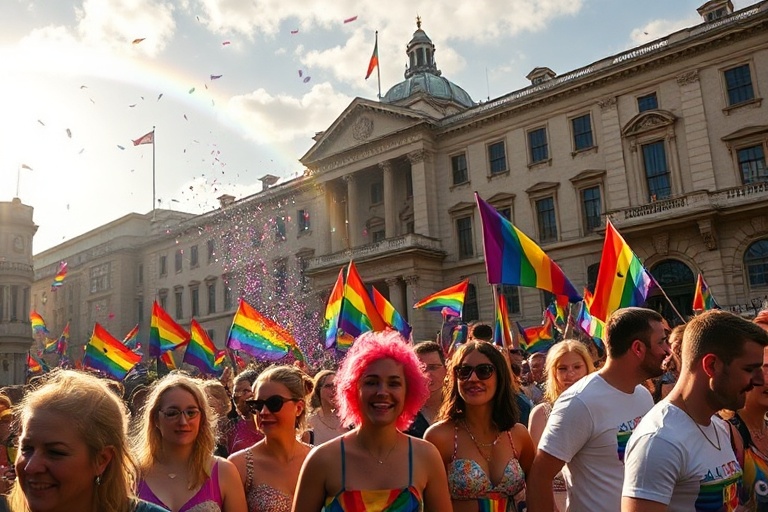
The British monarchy has faced intense scrutiny in recent years, particularly regarding its relevance and representation. Sophie, Duchess of Edinburgh, has addressed these concerns by embodying a more relatable and approachable image. Her willingness to engage with diverse communities—from attending local festivals to supporting grassroots organizations—has helped humanize the institution she represents.
One notable aspect of her approach is her emphasis on accessibility. Unlike some of her royal counterparts, she often participates in events without the pomp and pageantry typically associated with the monarchy. This strategy reflects a deliberate effort to connect with younger generations and those who may feel disconnected from traditional institutions. Her presence at events such as the Edinburgh Festival Fringe, one of the world’s largest arts festivals, demonstrates her commitment to cultural exchange and inclusivity.
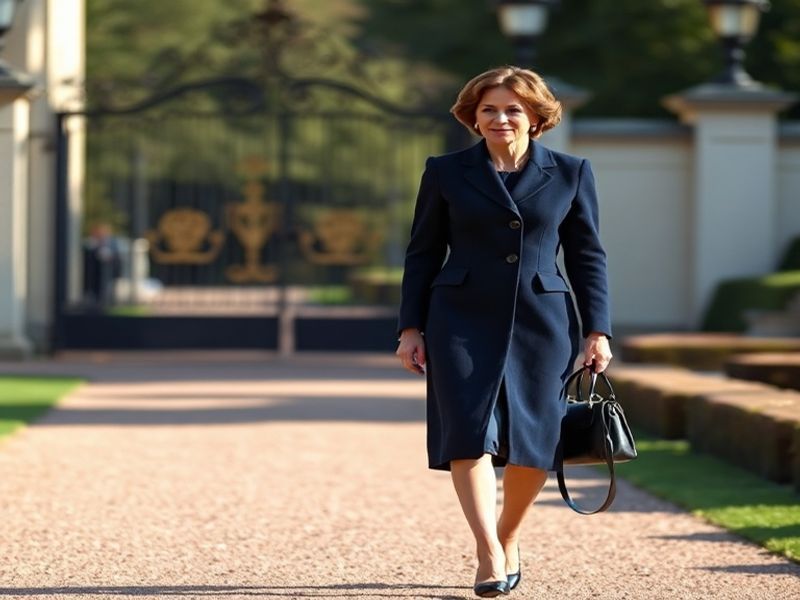
The Duchess’s fashion choices have also played a role in her public image. She frequently opts for practical yet elegant attire, avoiding the extravagance often associated with royal fashion. This choice aligns with her broader ethos of modesty and purpose, reinforcing the idea that her role is about service rather than spectacle.
Global Influence and the Future of the Monarchy
Sophie’s work extends beyond the UK, reflecting the monarchy’s role in global diplomacy. Her engagements with international organizations and participation in state visits underscore the institution’s enduring, if evolving, influence. For instance, her visits to Commonwealth nations have highlighted the monarchy’s role in fostering diplomatic ties and cultural exchange.
The Duchess’s involvement in the Commonwealth Youth Programme is particularly noteworthy. As a patron, she has worked to empower young leaders across member countries, emphasizing education and entrepreneurship as tools for social change. This initiative aligns with global efforts to address youth unemployment and inequality, showcasing her commitment to sustainable development.
Looking ahead, Sophie, Duchess of Edinburgh, represents a new generation of royals who are redefining their roles in a rapidly changing world. Her approach—balancing tradition with innovation, duty with accessibility—offers a model for how modern monarchies can remain relevant. As the British royal family continues to adapt, figures like Sophie will play a crucial role in shaping its future.
For those interested in the intersection of royalty and global culture, her work provides a compelling case study in how institutions evolve to meet the demands of a new era. Whether through her philanthropy, advocacy, or public engagements, the Duchess is not just a figurehead but an active participant in shaping a more inclusive and connected world.
Key Takeaways from Her Journey
- Adaptability: Sophie’s transition from public relations to royal philanthropy demonstrates her ability to evolve within a traditional institution.
- Global Engagement: Her international work highlights the monarchy’s role in soft-power diplomacy and cultural exchange.
- Accessibility: Her emphasis on relatability and grassroots engagement sets her apart from more traditional royal figures.
- Legacy and Innovation: By blending Queen Elizabeth II’s legacy with contemporary causes, she bridges generational divides within the monarchy.
As the world watches the monarchy’s next chapter, Sophie, Duchess of Edinburgh, stands as a symbol of progress and tradition. Her journey offers valuable insights into how institutions can remain meaningful in an era of rapid change.
For further reading on the evolving roles of modern royals, explore our Culture section, where we analyze the intersection of tradition and contemporary society.