From Fishing Village to Global Playground
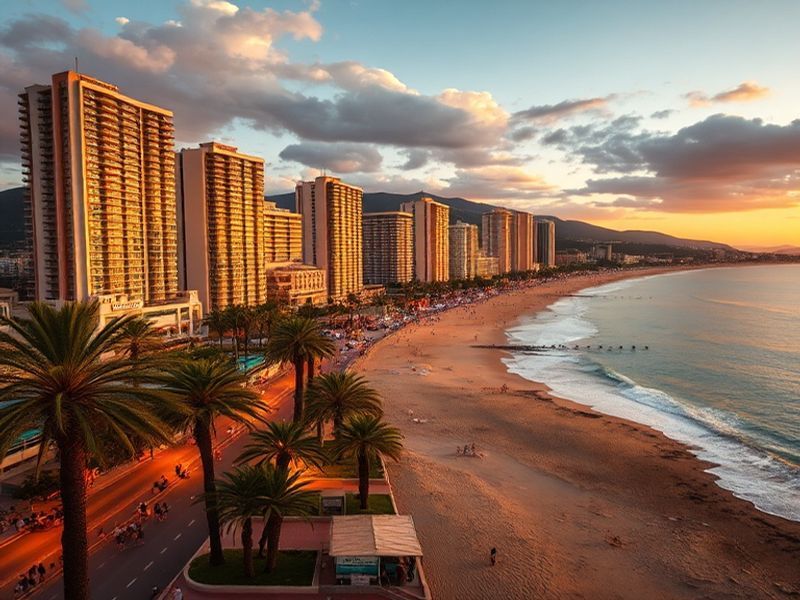
Benidorm’s transformation from a quiet fishing hamlet into one of Europe’s most recognizable tourist destinations is a story of reinvention and ambition. Perched on Spain’s Costa Blanca, the city’s skyline today is dominated by towering skyscrapers and high-rise apartments, a far cry from the modest whitewashed houses that once lined its shores. Yet beneath the neon lights and crowded beaches lies a layered history of economic shifts, cultural exchange, and strategic urban planning.
The town’s rise began in earnest during the 1950s and 60s, when Spain’s post-war tourism boom collided with Benidorm’s unique geography—a narrow peninsula offering two long beaches facing east and west, maximizing sunlight exposure. Investors and developers seized on the opportunity, building the first hotels and apartments designed to attract international visitors. By the 1970s, Benidorm had become a symbol of Spain’s “sun and sangria” tourism model, drawing millions from the UK, Germany, and beyond.
The Dual Nature of a Tourist Mecca
Benidorm’s appeal is undeniable, yet it exists in a state of creative tension between tradition and excess. On one hand, it remains a place where Spanish culture thrives—its old town, El Casco Antiguo, preserves narrow streets, local markets, and family-run bodegas serving traditional paella. On the other, the city’s nightlife scene, centered around the infamous “Strip,” has earned it a reputation as a destination for rowdy celebrations and late-night revelry.
This duality has shaped Benidorm’s identity in the public imagination. It is both a family-friendly resort and a party hotspot, a place where retirees sip coffee in the morning and young adults belt out karaoke at night. The city’s ability to cater to such diverse audiences is a testament to its adaptability and the sheer scale of its infrastructure.
Economic Engine or Environmental Concern?
Tourism is the lifeblood of Benidorm’s economy, contributing over €2 billion annually and supporting tens of thousands of jobs. The industry’s impact extends beyond hospitality, influencing real estate, retail, and even local cuisine. Yet this economic success comes with significant costs.
Environmental pressures have mounted as coastal development accelerates. Issues such as water scarcity, beach erosion, and waste management have prompted local authorities to implement stricter regulations. In response, Benidorm has invested in sustainability initiatives, including desalination plants, beach regeneration projects, and campaigns to reduce single-use plastics. These efforts reflect a broader shift in European tourism toward responsible travel—one that Benidorm is gradually embracing.
Critics argue that the city’s growth has outpaced its ecological limits. The construction of high-rise buildings, while economically beneficial, has altered the natural landscape and strained local resources. Balancing development with conservation remains one of Benidorm’s most pressing challenges, and its approach could serve as a model—or a cautionary tale—for other coastal destinations.
Cultural Crossroads: Who Really Calls Benidorm Home?
Benidorm’s population is a patchwork of cultures, shaped by decades of immigration. While the city’s permanent residents number around 70,000, the transient population of tourists and seasonal workers swells to millions each year. This influx has created a unique social fabric, where languages, cuisines, and traditions collide.
British retirees have long been a fixture, drawn by the climate and affordable cost of living. In recent years, a growing number of digital nomads and remote workers have joined them, lured by coworking spaces and high-speed internet. Meanwhile, North African and Latin American communities contribute to the city’s culinary and artistic scene, adding layers of diversity that go beyond the typical tourist experience.
The cultural exchange is most visible in Benidorm’s food scene. Traditional Spanish tapas bars coexist with British pubs, Indian curry houses, and Middle Eastern eateries. The annual Feria de Benidorm, a week-long festival celebrating local heritage, now features international music acts alongside flamenco dancers and fireworks, reflecting the city’s evolving identity.
Benidorm in the Digital Age: From Postcards to Pixels
The internet has reshaped how the world perceives Benidorm. Social media platforms like Instagram and TikTok have turned its beaches, skyline, and nightlife into viral content, attracting a new generation of visitors. Yet this digital exposure has also amplified stereotypes, reducing the city to a caricature of hedonism or a one-dimensional holiday spot.
Local businesses are adapting to this new reality. Influencers and content creators are increasingly collaborating with hotels, restaurants, and tour operators to showcase authentic experiences beyond the clichés. Meanwhile, official tourism campaigns are emphasizing Benidorm’s natural beauty, cultural heritage, and family-friendly attractions to attract a more diverse audience.
The digital transformation has also brought challenges. Overtourism, particularly in peak seasons, has led to overcrowding and strain on local services. City officials are experimenting with crowd-control measures, such as timed entry to popular beaches and promotions during off-peak months, to manage the influx without stifling the economy.
What’s Next for Benidorm?
As Benidorm looks to the future, it faces a series of strategic decisions. Can it maintain its status as a top tourist destination while addressing environmental concerns? How can it diversify its appeal to attract visitors beyond the traditional party crowd? And what role will technology play in shaping its next chapter?
One promising trend is the rise of “slow tourism”—a movement encouraging travelers to stay longer and explore beyond the typical hotspots. Benidorm’s proximity to natural parks, hiking trails, and historic towns like Altea and Guadalest makes it well-positioned to capitalize on this shift. By promoting its cultural and outdoor offerings, the city could attract a more discerning and sustainable tourist base.
Another opportunity lies in leveraging its existing infrastructure for year-round tourism. While summer remains the peak season, Benidorm has the potential to become a hub for business travelers, wellness retreats, and cultural events. The recent expansion of the city’s convention center and the introduction of winter festivals are steps in this direction.
Ultimately, Benidorm’s future hinges on its ability to balance growth with authenticity. The city’s greatest strength has always been its adaptability, and that will be key to navigating the challenges ahead. Whether it becomes a leader in sustainable tourism or a cautionary tale of overdevelopment may well depend on the choices made today.
Key Takeaways
- Historical Reinvention: Benidorm evolved from a fishing village to a global tourist hub through strategic urban planning and economic ambition.
- Cultural Duality: The city thrives as both a family-friendly destination and a nightlife hotspot, reflecting its diverse appeal.
- Environmental Strain: Rapid development has led to ecological challenges, prompting initiatives for sustainability and conservation.
- Digital Transformation: Social media has reshaped Benidorm’s image, creating both opportunities and challenges for local businesses and tourism management.
- Future Outlook: Diversification and sustainable practices could redefine Benidorm’s role in the global tourism landscape.
For travelers seeking more than just a holiday postcard experience, Benidorm offers a microcosm of modern tourism—complex, evolving, and full of contradictions. It is a place where the past and future collide, and where the next chapter is still being written.
To explore more about coastal destinations and their cultural impact, visit our Travel and Culture sections for deeper insights and recommendations.