Published on
The LG-35A Sentinel Silo represents a critical component of modern defense infrastructure, designed to house and deploy intercontinental ballistic missiles (ICBMs) with precision and reliability. Unlike previous generations of silos, the LG-35A integrates advanced materials and automated systems to ensure operational readiness under extreme conditions. Construction of these silos requires meticulous planning, specialized labor, and cutting-edge engineering to meet stringent military specifications.
Recent projects in remote locations have drawn attention to the challenges of building these facilities in harsh environments. From permafrost-laden tundras to seismically active regions, each site presents unique obstacles that demand tailored solutions. The following analysis examines the key phases of LG-35A Silo construction, the technologies involved, and the strategic considerations behind their deployment.
Engineering Specifications and Structural Design
The LG-35A Silo is engineered to withstand multiple forms of stress, including nuclear blast overpressure, electromagnetic pulses (EMP), and seismic activity. Its reinforced concrete shell, lined with shock-absorbing materials, provides a hardened exterior capable of absorbing impacts equivalent to 25 psi overpressure. Internally, the silo features modular compartments for missile storage, maintenance access, and launch control systems.
A critical innovation in the LG-35A is its passive cooling system, which regulates internal temperatures without relying on external power sources. This system uses geothermal heat exchange and phase-change materials to maintain stable conditions, even during prolonged periods of inactivity. Additionally, the silo’s interior is equipped with vibration-dampening platforms to protect sensitive electronics during transport and deployment.
The construction process begins with geological surveys to assess soil stability and seismic risk. Once a site is selected, engineers must account for factors such as groundwater levels, frost heave potential, and bedrock composition. In some cases, artificial foundations—such as piling or reinforced mat slabs—are required to distribute the silo’s immense weight evenly across the ground.
Key Structural Components
- Reinforced Concrete Shell: 4-meter-thick walls with steel rebar mesh for blast resistance.
- Shock Isolation Platform: Suspended interior structure to protect missile components from vibrations.
- Passive Thermal Regulation: Geothermal loops and phase-change materials to maintain optimal temperatures.
- EMP Shielding: Copper mesh lining to deflect electromagnetic interference.
Construction Challenges and Site Adaptations
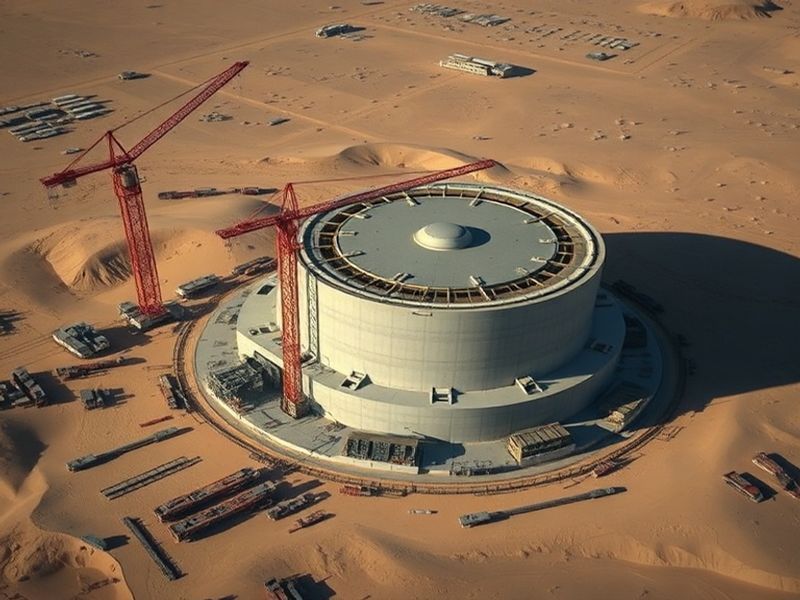
Building an LG-35A Silo is not a one-size-fits-all endeavor. Each site presents distinct environmental and logistical hurdles that require adaptive engineering. In Arctic regions, permafrost thaw can destabilize foundations, necessitating refrigerated piling systems to maintain ground stability. Conversely, desert installations must contend with extreme heat and sand erosion, which can degrade exposed components over time.
One of the most significant challenges is the transportation of massive prefabricated sections. Silo segments, often weighing hundreds of tons, must be moved via heavy-haul routes or specialized rail systems. In remote areas, temporary roads or airlifts may be required, adding months to the project timeline. Delays can also arise from regulatory approvals, environmental impact assessments, and coordination with local authorities.
Worker safety remains a top priority during construction. The silo’s deep underground sections require continuous ventilation to prevent oxygen depletion, while confined-space protocols are enforced for all personnel entering the interior. Hazardous materials, such as epoxy resins and specialty alloys, demand strict handling procedures to avoid contamination or structural defects.
Regional Case Studies
- Alaska: Silos constructed on permafrost required refrigerated pilings to prevent thaw settlement.
- Nevada Test Site: Desert conditions necessitated sand-resistant seals and heat-reflective coatings.
- Midwest Plains: High water tables led to the use of waterproofing membranes and sump pumps.
Automation and Future-Proofing the LG-35A
The LG-35A Silo is not just a static storage unit—it is a dynamic system designed for long-term adaptability. Modern silos incorporate automated maintenance routines, such as robotic inspections and self-diagnosing sensors, to reduce human intervention. These systems can detect corrosion, temperature fluctuations, or structural shifts before they escalate into critical issues.
Another forward-looking feature is the silo’s compatibility with next-generation missiles. The modular interior allows for rapid reconfiguration, enabling the deployment of hypersonic glide vehicles or multiple independently targetable reentry vehicles (MIRVs). This flexibility ensures that the LG-35A remains relevant as missile technology evolves.
Cybersecurity is also a growing concern. Silos are now equipped with isolated networks and air-gapped control systems to prevent digital intrusions. Physical security measures, such as biometric access and perimeter sensors, further reinforce protection against unauthorized entry.
Technological Enhancements
- AI-Powered Predictive Maintenance: Machine learning algorithms analyze sensor data to forecast component failures.
- Modular Payload Configurations: Adaptable racks for different missile types or auxiliary equipment.
- Quantum-Resistant Encryption: Secure communication channels resistant to future cryptographic threats.
Strategic and Geopolitical Implications
The deployment of LG-35A Silos is closely tied to broader defense strategies. Their distribution across multiple locations complicates adversarial targeting, as a single strike cannot disable an entire arsenal. This distributed approach aligns with the concept of “assured survivability,” ensuring a retaliatory capability even under heavy attack.
However, the construction of these silos is not without controversy. Critics argue that such installations contribute to global tensions by reinforcing nuclear deterrence postures. Proponents counter that the LG-35A’s advanced safety features reduce the risk of accidental launches, making it a stabilizing rather than destabilizing technology.
Economically, silo construction stimulates local job markets and infrastructure development, particularly in rural areas. Contractors specializing in defense projects often subcontract to regional firms for logistics, materials, and labor, creating ripple effects in surrounding communities.
For more insights into defense infrastructure projects, explore our News category, where we cover emerging developments in military technology and policy.
Global Deployment Patterns
The strategic placement of LG-35A Silos follows a deliberate pattern based on geopolitical factors:
- Contiguous Coverage: Silos are spaced to ensure overlapping coverage of potential targets.
- Launch Corridors: Sites are positioned to optimize missile flight paths while minimizing overflight of neutral territories.
- Redundancy Zones: High-risk regions receive multiple silos to ensure survivability.
Conclusion: The LG-35A as a Pillar of Modern Deterrence
The LG-35A Sentinel Silo exemplifies the intersection of military necessity and engineering ingenuity. Its construction demands precision, adaptability, and foresight, reflecting the complex interplay between technology and geopolitics. As global tensions evolve, these silos will remain a cornerstone of strategic stability, ensuring that deterrence remains credible in an uncertain world.
Looking ahead, advancements in materials science, automation, and cybersecurity will further enhance the LG-35A’s capabilities. Whether viewed through the lens of defense policy or technological innovation, the silo stands as a testament to humanity’s ability to balance security with progress.
For a deeper look at related defense technologies, visit our Technology section, where we analyze cutting-edge developments shaping the future of global security.