Earth Day 2024: Why Environmental Action Matters Now
“`html
Earth Day: Why Environmental Action Matters Now More Than Ever
Earth Day, celebrated annually on April 22, has grown from a grassroots movement in 1970 to a global event observed by over 190 countries. What began as a protest against environmental degradation has evolved into a day of education, advocacy, and collective action. Yet, as climate change accelerates and biodiversity declines, the urgency of Earth Day’s mission has never been clearer.
The origins of Earth Day trace back to Senator Gaylord Nelson’s vision after witnessing the devastation of a massive oil spill in Santa Barbara in 1969. He rallied to create a national teach-in on environmental issues, partnering with activists, students, and politicians to demand systemic change. The first Earth Day saw 20 million Americans take to the streets, demanding cleaner air, water, and sustainable policies. This groundswell of public support directly led to landmark legislation like the Clean Air Act, Clean Water Act, and the creation of the Environmental Protection Agency (EPA).
The Evolution of Earth Day: From Protest to Global Movement
Earth Day’s transformation reflects broader shifts in environmental consciousness. In the 1990s, it expanded into a global event, with coordinated efforts across continents. Today, it serves as both a celebration of progress and a stark reminder of the challenges ahead. The theme for Earth Day 2024, “Planet vs. Plastics,” underscores a critical battle: reducing plastic pollution, which now accounts for 30% of global waste and threatens marine life, human health, and ecosystems.
Corporations and governments have increasingly embraced Earth Day as a platform for sustainability pledges. Companies like Patagonia and Unilever have made strides in reducing carbon footprints, while cities worldwide implement green initiatives like bike-sharing programs and urban reforestation. However, critics argue that these efforts often prioritize optics over tangible change, a phenomenon known as “greenwashing.”
Key Milestones in Earth Day’s History
- 1970: First Earth Day unites 20 million Americans in environmental protests.
- 1990: Earth Day goes global, with 200 million participants in 141 countries.
- 2000: Focus shifts to climate change, with digital organizing playing a key role.
- 2020: 50th anniversary marked by virtual events amid the COVID-19 pandemic.
- 2024: “Planet vs. Plastics” campaign targets a 60% reduction in plastic production by 2040.
The State of Our Planet: Urgency in the Face of Crisis
The environmental challenges facing Earth Day in 2024 are daunting. The Intergovernmental Panel on Climate Change (IPCC) warns that global temperatures could rise by 1.5°C as early as the 2030s, triggering irreversible damage. Meanwhile, the World Wildlife Fund reports that wildlife populations have plummeted by 69% since 1970. These statistics paint a grim picture, but they also highlight the progress made through collective action.
Renewable energy adoption has surged, with solar and wind power now accounting for nearly 30% of global electricity in some regions. The rise of electric vehicles (EVs) has disrupted the automotive industry, with sales expected to surpass 14 million units in 2023. Even individual actions—like reducing meat consumption or cutting single-use plastics—are gaining traction, proving that small changes can drive systemic shifts.
Yet, the pace of change remains uneven. Developed nations, while making progress, often outsource pollution to developing countries. The global north’s consumption habits continue to strain resources, while vulnerable communities bear the brunt of environmental degradation. This disparity underscores the need for equitable solutions that address both climate justice and sustainability.
How to Participate in Earth Day 2024
Earth Day’s enduring relevance lies in its accessibility. Whether through activism, education, or lifestyle changes, everyone can contribute. For those looking to make an impact, here are actionable steps:
- Advocate: Contact local representatives to support policies like the Green New Deal or plastic bans. Use tools like the Activism resources on Dave’s Locker to amplify your voice.
- Educate: Host screenings of documentaries like Seaspiracy or The True Cost to raise awareness. Share resources from the Education section to foster discussions.
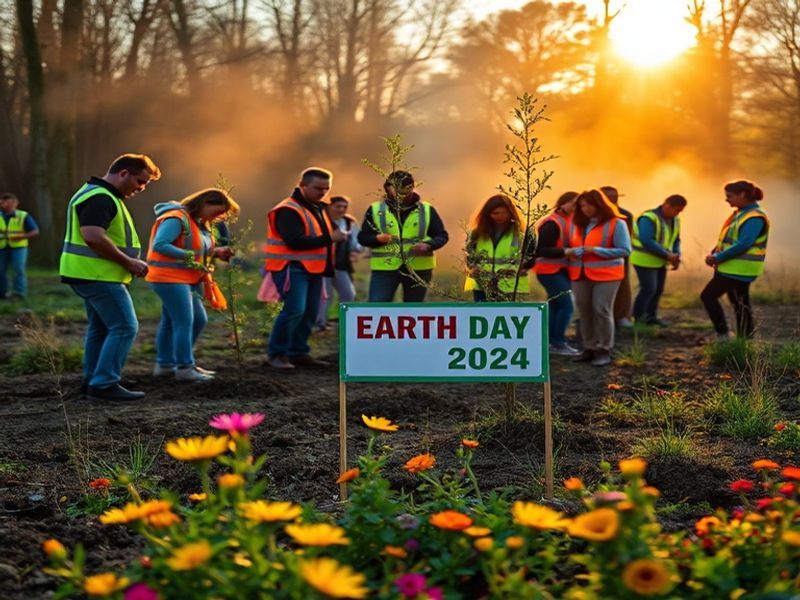
- Act Locally: Join community clean-ups, tree-planting initiatives, or urban gardening projects. Check local environmental groups for opportunities.
- Reduce Waste: Commit to a plastic-free week or switch to reusable products. Calculate your carbon footprint using tools like the EPA’s carbon footprint calculator.
- Support Sustainable Businesses: Patronize companies with transparent eco-friendly practices. Look for certifications like B Corp or Fair Trade.
The Future of Earth Day: Beyond Symbolism
Earth Day’s greatest challenge may be transcending its annual observance. Sustainability must become a year-round priority, embedded in policy, culture, and daily life. The rise of “climate anxiety” among younger generations reflects both awareness and helplessness, emphasizing the need for tangible solutions over performative activism.
Innovation offers hope. Breakthroughs in carbon capture, lab-grown meat, and circular economies are redefining what’s possible. Yet, technological solutions alone cannot replace systemic change. Governments must enforce stricter regulations, corporations must prioritize ethics over profits, and individuals must hold them accountable.
Earth Day’s legacy is a testament to what collective action can achieve. From banning DDT to protecting the ozone layer, past victories prove progress is possible. The question now is whether humanity can rise to the occasion before time runs out. As the 2024 campaign slogan declares, “The time is now.”
“We do not inherit the Earth from our ancestors; we borrow it from our children.” — Native American proverb
This Earth Day, let’s move beyond symbols and commit to real change. The planet’s future depends on it.