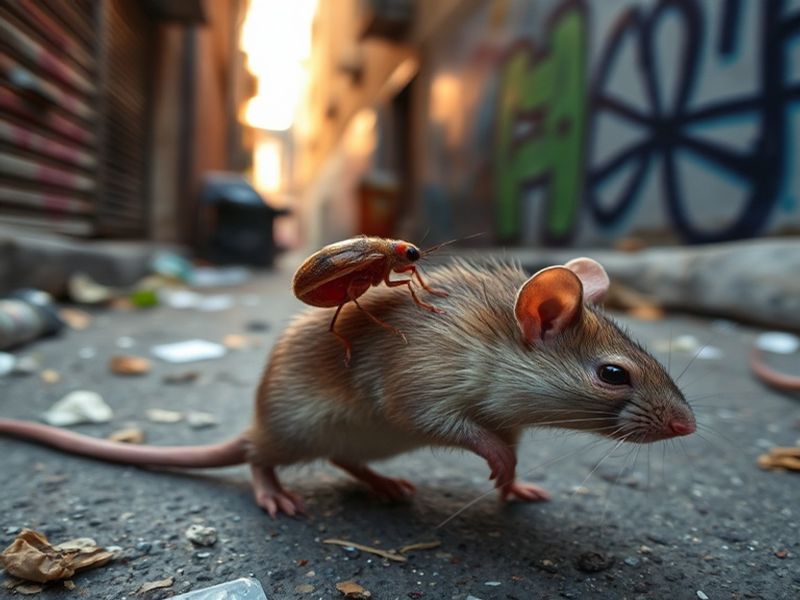
flea borne typhus
“`html
Flea-Borne Typhus: Rising Cases and What You Need to Know
Public health officials across the United States are monitoring an unsettling rise in flea-borne typhus cases, a bacterial infection transmitted primarily by fleas that infest rats, opossums, and even domestic animals. While the disease has historically been associated with tropical and subtropical regions, recent data from the Centers for Disease Control and Prevention (CDC) reveals a troubling expansion into urban and suburban areas. The resurgence of flea-borne typhus is not merely a regional concern—it reflects broader ecological and behavioral shifts that are reshaping how infectious diseases spread in modern America.
The Science Behind Flea-Borne Typhus
Flea-borne typhus, also known as murine typhus, is caused by the bacterium Rickettsia typhi and, less commonly, Rickettsia felis. Unlike the more widely known typhoid fever, flea-borne typhus is not transmitted person-to-person. Instead, it spreads when infected flea feces contaminate scratches, bites, or mucous membranes. The primary carriers are fleas that live on rodents such as rats and mice, but opossums and even domestic cats have been implicated in recent outbreaks.
Symptoms typically appear 1–2 weeks after exposure and include high fever, chills, muscle pain, and a rash that often begins on the torso before spreading. While the illness is usually mild and treatable with antibiotics like doxycycline, severe cases can lead to hospitalization, particularly in vulnerable populations such as the elderly or immunocompromised. One of the most concerning aspects of flea-borne typhus is its diagnostic ambiguity—early symptoms mimic those of flu or COVID-19, which can delay proper treatment.
How It Spreads: From Wildlife to Human Habitats
The life cycle of flea-borne typhus depends on a complex interaction between rodents, fleas, and humans. Rats and mice serve as primary reservoirs, while the fleas—Xenopsylla cheopis (the Oriental rat flea) and Ctenocephalides felis (the cat flea)—are the vectors. When these fleas feed on infected animals, they ingest the bacteria. The bacteria then multiply in the flea’s gut and are excreted in its feces. Scratching a flea bite or inhaling contaminated flea feces can introduce the bacteria into the human body.
Urbanization and climate change have intensified this cycle. Warmer temperatures extend flea breeding seasons, and expanding cities encroach on natural habitats, increasing human-wildlife contact. In Los Angeles County alone, reported cases jumped from 10 in 2018 to 79 in 2023—a sevenfold increase. Public health experts attribute this surge to rising rat populations, inadequate waste management, and reduced pesticide use in urban pest control programs.
Regional Hotspots and Public Health Responses
While flea-borne typhus has long been endemic in parts of Texas, California, and Hawaii, recent outbreaks have emerged in states previously considered low-risk. In 2022, Florida reported 54 confirmed or probable cases, up from an average of 10 annually in previous years. Similarly, Arizona has seen a steady increase, with Maricopa County documenting 28 cases in 2023—more than double the 2020 total.
Local health departments are responding with targeted interventions. In Los Angeles, vector control agencies conduct rodent abatement programs, distribute educational materials in high-risk neighborhoods, and promote flea control for pets. The CDC has also issued updated guidelines for clinicians, emphasizing the importance of considering flea-borne typhus in patients with fever and rash, especially those with exposure to rodents or outdoor environments.
- California: Los Angeles, Orange, and San Diego counties remain hotspots, with rising cases linked to homeless encampments and dense urban areas.
- Texas: Houston and Dallas have seen sporadic but increasing cases, particularly in areas with poor sanitation.
- Florida: Central and southern counties report clusters, often associated with opossum and rat activity in residential zones.
- Arizona: Phoenix and Tucson face seasonal spikes during warm months, correlating with peak flea activity.
Prevention: Protecting People and Pets
Individuals can reduce their risk by minimizing contact with rodents and their fleas. Simple measures include sealing trash bins, removing outdoor pet food, and maintaining clean yards. Pet owners should use vet-recommended flea prevention treatments, especially for outdoor cats, which are frequent carriers of infected fleas. For those living in high-risk areas, regular pest control and sealing entry points in homes can significantly lower exposure.
Public awareness campaigns have become a cornerstone of prevention. In California, outreach programs target homeless populations, who are disproportionately affected due to limited access to sanitation and pest control. Community health workers distribute hygiene kits and educate residents on identifying rat activity and flea bites. These efforts highlight the intersection of public health and social equity—without addressing housing insecurity and waste management, disease prevention remains incomplete.
Myths and Misconceptions
Despite growing concern, several myths persist about flea-borne typhus. One common misconception is that it only affects people in poverty-stricken areas. While urban poverty correlates with higher exposure risk, the disease has been documented across socioeconomic groups, including affluent neighborhoods where opossums and rats roam unchecked. Another myth is that flea-borne typhus is confined to warm climates. While fleas thrive in heat, outbreaks have occurred in cooler regions during summer months when flea populations surge.
Education is key to dispelling these misunderstandings. Health officials stress that anyone can be at risk if they live in or visit areas with rodent activity. Travelers to endemic regions should take precautions, such as wearing long sleeves and using insect repellent, especially when hiking or camping.
The Bigger Picture: Climate, Ecology, and Emerging Diseases
The rise of flea-borne typhus is not an isolated incident—it mirrors a broader trend of zoonotic diseases expanding into human populations. Scientists point to climate change as a major driver, with warmer winters allowing fleas and their hosts to survive in previously inhospitable regions. Deforestation and urban sprawl also disrupt ecosystems, forcing wildlife into closer contact with humans, thereby increasing spillover risks.
This phenomenon falls under the broader category of emerging infectious diseases, a field gaining attention in both scientific and policy circles. The World Health Organization (WHO) has identified antimicrobial resistance and environmental degradation as top global health threats, both of which intersect with diseases like flea-borne typhus. As habitats shrink and biodiversity declines, the likelihood of new pathogens crossing into human populations grows—making surveillance and preparedness essential.
Researchers are now exploring innovative control methods, including the use of Wolbachia bacteria to reduce flea populations and the development of vaccines. While no vaccine exists for flea-borne typhus, advances in vector-borne disease research offer hope for long-term solutions. In the meantime, community engagement and targeted public health measures remain the most effective tools in curbing transmission.
Conclusion: Vigilance and Community Action
Flea-borne typhus is a reminder that infectious diseases do not respect boundaries—geographic, economic, or ecological. Its resurgence underscores the need for integrated approaches that combine environmental stewardship, public health infrastructure, and community education. While the disease remains treatable, prevention is far more cost-effective than intervention, especially in vulnerable populations.
For now, the best defense is awareness. Recognizing the signs of flea-borne typhus, practicing good hygiene, and supporting local pest control initiatives can collectively reduce risk. As climate patterns shift and urban environments evolve, vigilance will be critical in preventing flea-borne typhus from becoming a mainstream public health challenge.
Staying informed and proactive is not just the responsibility of health officials—it’s a shared duty. By understanding the risks and taking small but meaningful actions, communities can safeguard their health and well-being in an era of growing ecological complexity.
—
METADATA
{
“title”: “Flea-Borne Typhus: Rising Cases and Prevention Tips for 2024”,
“metaDescription”: “Flea-borne typhus cases are rising in the U.S. Learn symptoms, prevention tips, and hotspots from CDC data and health experts.”,
“categories”: [“Health”, “Science”],
“tags”: [“flea-borne typhus”, “Rickettsia typhi”, “public health”, “zoonotic diseases”, “pest control”],
“imageDescription”: “A close-up image of a rat with fleas, set in an urban alleyway. The scene is dimly lit with a warm, gritty tone, highlighting the fleas on the rat’s fur. The mood is urgent, emphasizing the connection between wildlife and human health risks.”
}
—END METADATA—
“`