How Mexico Shapes Global Culture Beyond Borders
“`html
Mexico’s Global Cultural Footprint: Beyond Borders and Stereotypes
Mexico’s influence stretches far beyond its borders. From the silver screen to culinary trends, the country shapes global conversations in ways often overlooked. Its history, art, and traditions resonate in unexpected corners of the world, creating a legacy that endures across centuries.
The Cinematic Legacy: A Century of Storytelling
Mexico’s film industry has evolved from revolutionary-era silent films to an international powerhouse. Directors like Alejandro González Iñárritu and Alfonso Cuarón have redefined modern cinema, winning Oscars and fostering a new wave of storytelling. Their work often reflects Mexico’s complex social fabric, blending realism with surrealism.
Beyond awards, Mexican cinema thrives on streaming platforms. Netflix and Amazon Prime showcase local productions globally, proving audiences crave authenticity over clichés. Films like Roma and The Holy Girl demonstrate how Mexican narratives resonate universally, transcending language barriers.
Culinary Influence: A Flavor Revolution
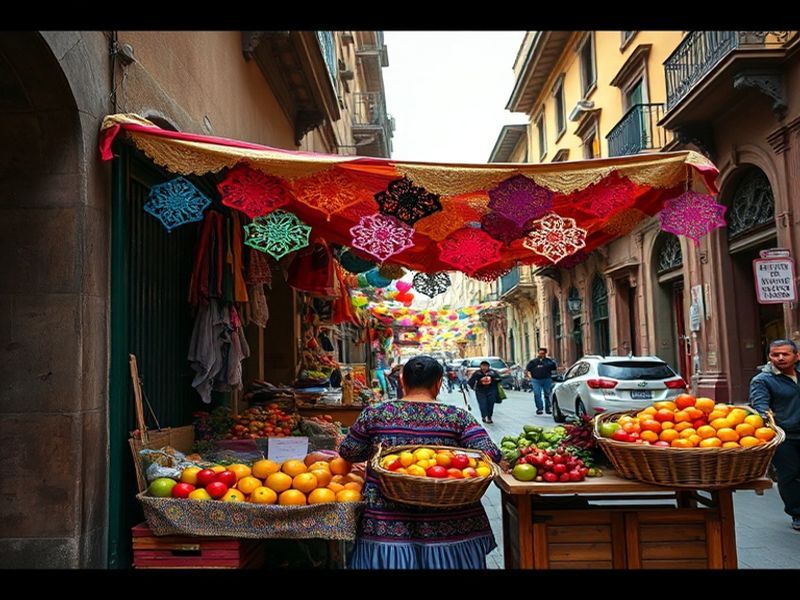
Mexican cuisine has officially joined UNESCO’s Intangible Cultural Heritage list, but its impact goes further. Tacos, mole, and mezcal are no longer niche—they dominate menus from Los Angeles to Tokyo. Chefs worldwide now train in Oaxaca and Mexico City, bringing back techniques that elevate fine dining.
The global tequila boom reflects this trend. Once a regional spirit, tequila is now a $10 billion industry, with exports surging by 15% annually. Bartenders in major cities craft cocktails inspired by Mexican traditions, proving the country’s flavors shape contemporary culture.
Artistic Movements: Murals to Modern Galleries
Mexico’s muralist tradition, born in the early 20th century, remains a cornerstone of public art. Diego Rivera’s Man at the Crossroads in Rockefeller Center sparked controversy, but its legacy lives on in street art worldwide. Today, cities like Mexico City and Guadalajara host vibrant festivals, blending indigenous motifs with contemporary styles.
The global art market has taken notice. Mexican artists like Frida Kahlo and Rufino Tamayo command record auction prices, while younger creators gain recognition at international biennales. Their work challenges colonial narratives, offering fresh perspectives on identity and history.
Migration and Music: Rhythms That Cross Borders
Mariachi, banda, and corridos have evolved beyond regional sounds. Streaming platforms have turned corridos tumbados into a global phenomenon, with artists like Peso Pluma breaking records. Meanwhile, mariachi bands perform in European concert halls, proving music’s power to bridge cultures.
Migration plays a key role in this exchange. Mexican communities abroad—from Chicago to Berlin—keep traditions alive while adapting them to new contexts. This dynamic creates a cultural feedback loop, enriching both local and global scenes.
Why Mexico’s Influence Matters
Mexico’s global impact isn’t just about exports or tourism. It’s about how its people and creativity shape the world’s imagination. From cinema to cuisine, the country challenges stereotypes while inviting collaboration. Its story is one of resilience, innovation, and endless reinvention.
As borders blur in the digital age, Mexico’s voice grows louder. It reminds us that culture isn’t static—it’s a living conversation, constantly evolving through exchange and adaptation.