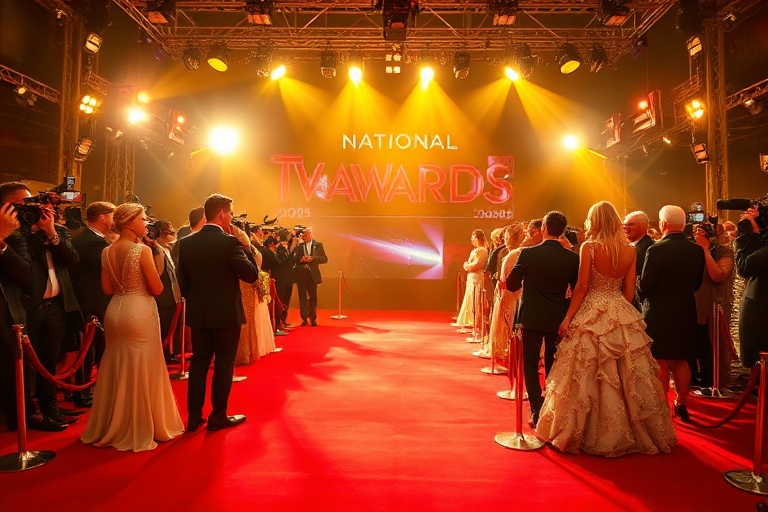
The National TV Awards 2026 returned to London’s entertainment calendar with a renewed focus on diversity, innovation, and global appeal. Held at the iconic O2 Arena, the event brought together creators, actors, and audiences from over 50 countries to honor the year’s most impactful television. This year’s ceremony not only highlighted British talent but also showcased international productions that have redefined storytelling for a digital-first generation.
The awards, now in their 28th year, have evolved from a celebration of traditional broadcasting to a platform that embraces streaming, interactive content, and cross-cultural narratives. With the global TV market valued at over $250 billion in 2025, the stakes for recognition have never been higher. Producers and creators are increasingly looking beyond their borders for inspiration, leading to a richer, more competitive field of contenders.
The Rise of Global Formats and International Talent
One of the most notable shifts in this year’s awards was the prominence of non-English language productions. South Korean dramas, Scandinavian crime series, and African sci-fi epics dominated categories like Best Drama Series and Best International Program. The Silent Pact, a Danish thriller about a group of journalists uncovering a political conspiracy, took home the top prize in its category, signaling a clear appetite for complex narratives outside the Hollywood mainstream.
This trend reflects broader changes in the industry. Streaming platforms like Netflix and Amazon Prime are investing heavily in localized content to cater to regional tastes while maintaining global appeal. The success of shows such as Squid Game and Lupin has proven that audiences are eager to engage with stories that reflect diverse experiences. At the National TV Awards 2026, the judges emphasized the importance of authenticity—prioritizing productions that stay true to their cultural roots while resonating with international viewers.
The awards also shone a spotlight on rising talent from underrepresented backgrounds. This year, half of the nominees in the Best Actor and Actress categories were people of color, and three winners used their acceptance speeches to advocate for better representation behind the camera as well as on screen. The ceremony’s host, British-Nigerian comedian Zara Johnson, opened the night by saying, “Television has the power to shape how we see the world—and who gets to tell those stories.” Her words set the tone for an evening that celebrated both artistic achievement and social progress.
Innovation in Production: From VR to Interactive Storytelling
Technology continues to redefine how television is produced and consumed, and the National TV Awards 2026 reflected this evolution. Among the most talked-about entries was Echoes of Tomorrow, a British sci-fi series filmed entirely in virtual reality. The show’s creators collaborated with immersive media experts to allow viewers to explore key scenes from multiple perspectives using VR headsets. While the production was not eligible for traditional awards due to its experimental format, it was honored with a special jury prize for innovation.
Interactive television also made a strong showing. Choose Your Crime, an Italian noir series, lets audiences vote in real time on which path the protagonist should take, effectively altering the storyline. The show’s creator, Marco Rossi, accepted the award for Best Interactive Experience and emphasized how this format is bridging the gap between gaming and television. “We’re not just telling stories anymore,” Rossi said. “We’re inviting the audience to become part of them.”
These advancements come at a time when traditional broadcasters are facing pressure to innovate. With younger audiences spending more time on platforms like TikTok and YouTube, networks are experimenting with shorter formats, user-generated content integration, and even AI-assisted storytelling. The National TV Awards 2026 jury recognized these efforts, introducing a new category this year: Best Emerging Format, which honors creative approaches that challenge conventional TV conventions.
The Cultural Impact of TV in 2026
Beyond the glitz of the awards, the National TV Awards 2026 served as a barometer for the cultural conversations shaping society. Several winning series tackled pressing global issues, from climate change to mental health, using the medium of television to foster dialogue and empathy.
Among the most impactful was Terra Firma, a documentary series that followed families in six different countries as they adapted to environmental disasters. The show won Best Factual Series and was praised for its unflinching yet hopeful portrayal of resilience. Its director, Priya Mehta, noted that television has a unique ability to humanize statistics. “When people see faces and hear stories, they’re more likely to care—and to act,” she said.
The awards also highlighted the role of television in shaping public opinion during pivotal moments. The Best News Coverage award went to Breaking Point, a live-streamed investigation into global supply chain disruptions that aired during the 2025 holiday season. The series, produced by a consortium of international journalists, demonstrated how television can still serve as a vital public service in an era of misinformation.
Social media played a significant role in amplifying the event’s reach. The #TVAwards2026 hashtag trended globally, with fans debating the winners, sharing behind-the-scenes content, and even creating memes inspired by the performances. This digital engagement underscored television’s enduring relevance as a shared cultural experience.
Looking Ahead: What’s Next for the National TV Awards?
The National TV Awards 2026 closed with a sense of optimism about the future of the medium. As streaming services expand and technology advances, the definition of “television” continues to evolve. Yet, the core mission of the awards—to celebrate outstanding storytelling—remains unchanged.
Organizers announced that next year’s ceremony will introduce a new category: Best Short-Form Series, recognizing the growing influence of platforms like Instagram and YouTube. They also hinted at plans to expand the event’s global footprint, with potential satellite ceremonies in Los Angeles, Tokyo, and Lagos. These changes reflect a broader industry shift toward inclusivity and accessibility.
As the curtain fell on another successful night, one thing was clear: television is not just surviving in the digital age—it’s thriving. By embracing new voices, formats, and technologies, the medium is ensuring its place at the heart of global culture for years to come.
For those eager to explore more about the trends shaping modern television, visit our Entertainment section for in-depth analysis and exclusive interviews with industry leaders.