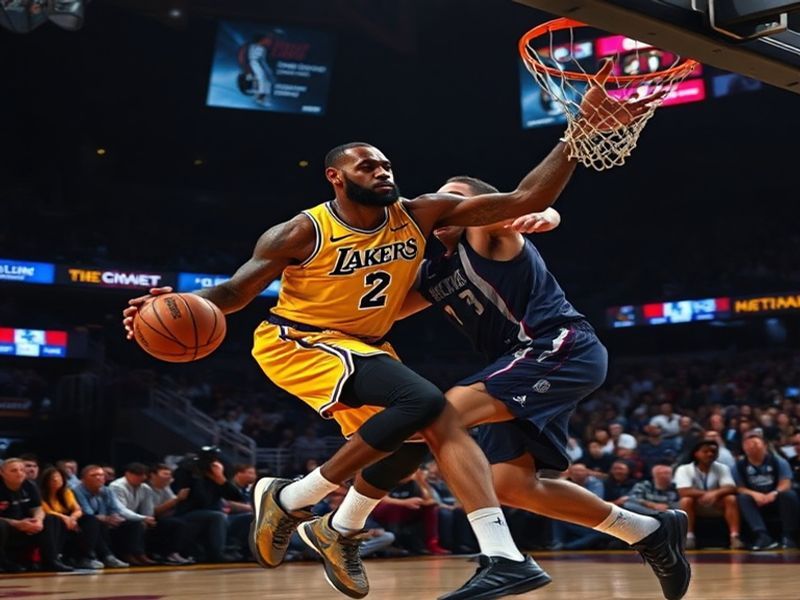
The Lakers and Mavericks have built one of the NBA’s most compelling rivalries, not just through their on-court battles but through the cultural impact they’ve left on basketball fans worldwide. While teams like the Celtics and Lakers have a historic rivalry rooted in tradition, the Lakers-Mavericks matchups carry a different kind of energy—one shaped by modern superstars, shifting fan loyalties, and a globalized sports landscape. These games aren’t just about wins and losses; they’re about influence, style, and the way basketball has expanded beyond American borders.
This rivalry has evolved alongside the NBA’s growth into a global brand. The league now draws over half of its revenue from international markets, and teams like the Lakers and Mavericks have become ambassadors for the sport in places like China, Europe, and Africa. When these two teams face off, the game becomes more than a contest—it’s a cultural exchange, a showcase of basketball’s universal appeal, and a reflection of how sports shape global identities.
The Origins of a Modern Rivalry
The Lakers-Mavericks rivalry didn’t emerge from decades of playoff battles like some of the NBA’s classic feuds. Instead, it developed in the 21st century, fueled by marquee matchups between star players. The first major chapter came in the early 2000s when Shaquille O’Neal and Kobe Bryant led the Lakers to three consecutive championships, while Dirk Nowitzki was just beginning his rise with the Mavericks. Though they didn’t meet in the playoffs during that era, their regular-season clashes were must-watch events, blending Shaq’s dominance with Nowitzki’s emerging brilliance.
That dynamic shifted in 2011 when the Mavericks met the Lakers in the playoffs for the first time. Dirk Nowitzki, Jason Kidd, and Jason Terry led Dallas to an upset over the two-time defending champions, a series that announced the Mavericks as legitimate contenders. The victory was symbolic—it marked the passing of the torch from one generation of superstars to another. For fans outside the U.S., particularly in Europe, Nowitzki’s triumph was a point of pride, reinforcing the idea that basketball talent wasn’t confined to American players.
Key Moments That Defined the Rivalry
Several games have stood out in this rivalry, each contributing to its lore. One of the most famous was Kobe Bryant’s 36-point performance in a 2007 win over the Mavericks, where he outdueled Dirk Nowitzki in a battle of two of the league’s most relentless competitors. That game wasn’t just a showcase of individual greatness; it was a statement from the Lakers that they remained the standard in the Western Conference.
Another unforgettable moment came in 2011 during the playoffs. The Mavericks, led by Nowitzki and a balanced roster, dismantled the Lakers in six games, eliminating Kobe Bryant and Pau Gasol in the process. For European fans, this series was a reminder that the NBA was no longer an American-only league. Nowitzki’s leadership and clutch shooting made him a hero in his home country, while the Mavericks’ team-first mentality resonated with international audiences who valued collective success over individual stardom.
The rivalry took another turn in 2020 when LeBron James and Anthony Davis led the Lakers to the championship, while Luka Dončić was already establishing himself as the Mavericks’ next franchise cornerstone. Though they didn’t meet in the playoffs that year, their regular-season game was a preview of future battles. Dončić, with his European roots and transcendent skill, represented the new wave of global NBA stars, while LeBron’s legacy as a global icon added another layer to the narrative.
The Global Impact of Lakers vs. Mavericks
The NBA’s international expansion has made games like Lakers vs. Mavericks more than just sports—they’re cultural events. In China, where the NBA has a massive following, matchups featuring Luka Dončić are must-watch television. Dončić, a Slovenian player, has become a household name in Asia, his highlight-reel plays drawing comparisons to NBA legends. Meanwhile, the Lakers, with their Hollywood glamour and historic franchise status, remain one of the most marketable teams in the world. When these two teams play, it’s not just a game; it’s a fusion of entertainment and athleticism that transcends borders.
In Europe, the rivalry has taken on symbolic meaning. Dirk Nowitzki’s success with the Mavericks helped legitimize European basketball in the NBA, paving the way for players like Giannis Antetokounmpo and Nikola Jokić. The Lakers, meanwhile, represent the glamour and tradition of the NBA, a team that has become a global brand through its association with celebrities, music, and fashion. For European fans, the Lakers-Mavericks rivalry is a microcosm of basketball’s evolution—a blend of old-world charm and new-world innovation.
The NBA’s global reach means that these games are broadcast in over 200 countries, with commentary available in multiple languages. Social media amplifies the rivalry, with clips of Luka’s step-back threes or LeBron’s no-look passes going viral in minutes. The Lakers and Mavericks aren’t just teams; they’re ambassadors for the sport, their games a bridge between different basketball cultures.
What Makes This Rivalry Unique
Unlike traditional rivalries that are rooted in geography or history, the Lakers-Mavericks rivalry is defined by its modern, star-driven nature. It thrives on individual brilliance—Luka’s playmaking, LeBron’s longevity, Dončić’s clutch performances—rather than the geographic proximity that fuels other NBA feuds. This makes the rivalry feel more fluid, less about tribal loyalty and more about appreciating the artistry of the game.
The rivalry also reflects the NBA’s shift toward a globalized league. The Mavericks, with their European stars and international fanbase, represent the league’s future, while the Lakers embody its past. When these teams play, it’s a clash of generations and cultures, a reminder that basketball is no longer confined to one region or style of play.
For fans, the rivalry offers something for everyone. Lakers supporters cherish the team’s history and star power, while Mavericks fans celebrate their underdog mentality and commitment to team basketball. International fans, meanwhile, see themselves reflected in the players—whether it’s Luka’s European roots or the Lakers’ global appeal.
The Future of the Lakers-Mavericks Rivalry
The next chapter of this rivalry will likely be written by the new generation of stars. Luka Dončić, now the face of the Mavericks, is poised to lead Dallas deep into the playoffs, while LeBron James may soon pass the torch to younger players like Austin Reaves and Rui Hachimura. The Lakers, meanwhile, are rebuilding with a mix of veteran leadership and rising talent, ensuring that this rivalry will remain relevant for years to come.
Off the court, the NBA continues to expand its global footprint. The league’s presence in Africa, the Middle East, and Asia is growing, and teams like the Lakers and Mavericks will play a key role in shaping the sport’s future. As basketball becomes more global, so too will the rivalries that define it. The Lakers-Mavericks matchups may not have the same history as Celtics-Lakers or Bulls-Pistons, but their cultural impact and global reach make them one of the NBA’s most compelling storylines.
For fans, the rivalry offers endless possibilities. Will Luka Dončić lead the Mavericks to a championship, cementing his legacy as one of the game’s greats? Can the Lakers reclaim their dominance with a new core of talent? These questions will shape the narrative of the rivalry for years to come, ensuring that Lakers vs. Mavericks remains must-watch basketball.
The beauty of this rivalry lies in its unpredictability. It’s not defined by decades of playoff history or geographic proximity but by the moments that capture the imagination—clutch shots, unexpected upsets, and the rise of new stars. In a league that’s constantly evolving, the Lakers-Mavericks rivalry is a reminder that basketball is about more than just wins and losses. It’s about culture, identity, and the global language of the game.