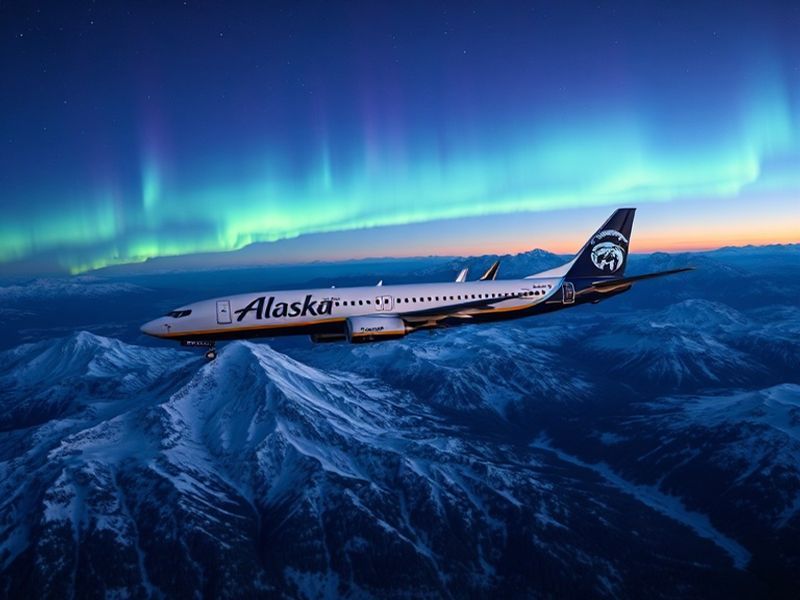
Alaska Air: How This Airline Became a Reliability Leader
“`html
Alaska Air Group: A Legacy of Resilience and Innovation
Founded in 1932 as McGee Airways, Alaska Air Group has grown from a small Alaskan bush carrier into one of North America’s most respected airlines. Its journey reflects broader trends in aviation—adapting to economic shifts, technological advances, and evolving passenger expectations. Today, the airline operates under two main brands: Alaska Airlines and Horizon Air, serving over 120 destinations across the United States, Canada, Mexico, and Costa Rica.
What sets Alaska Air apart isn’t just its extensive route network but its commitment to operational reliability. In 2023, it ranked first among North American airlines for on-time performance for the eighth consecutive year, a testament to its disciplined approach to service. This consistency has earned it a loyal customer base, particularly among travelers who prioritize punctuality over flashy amenities.
The Cultural Impact of Alaska Airlines in the Pacific Northwest
Alaska Air has long been more than a transportation provider; it’s a cultural institution in the Pacific Northwest. The airline’s branding—featuring the iconic Eskimo logo and rugged Alaskan imagery—reinforces its identity as a bridge between the Lower 48 and the Last Frontier. Its sponsorship of local events, from the Seattle Seahawks to the Alaska State Fair, embeds it deeply in regional life.
This connection extends beyond marketing. Alaska Air has played a role in shaping the Pacific Northwest’s economic and social fabric. By connecting smaller cities like Sitka and Ketchikan to major hubs, it has enabled tourism, business travel, and even the movement of goods in a region where infrastructure is often challenging. The airline’s role becomes even more critical during Alaska’s long, harsh winters when road and sea transport face delays.
Sustainability and the Future of Aviation
As global awareness of climate change grows, Alaska Air has positioned itself as an industry leader in sustainability. In 2021, it committed to achieving net-zero carbon emissions by 2040, a goal that aligns with broader aviation industry targets. To reach this milestone, the airline has invested in sustainable aviation fuel (SAF), which reduces lifecycle carbon emissions by up to 80% compared to traditional jet fuel.
Alaska Air’s sustainability efforts extend beyond fuel. The airline has also modernized its fleet with more fuel-efficient aircraft, such as the Boeing 737 MAX, which consumes 14% less fuel per seat than its predecessors. Additionally, it has implemented programs to reduce single-use plastics and improve recycling across its operations. These initiatives resonate with environmentally conscious travelers, particularly younger generations who prioritize eco-friendly choices.
Yet, the path to sustainability is not without challenges. The high cost of SAF and limited availability remain barriers. Alaska Air has called for government incentives to accelerate SAF production, arguing that regulatory support is essential for the industry to meet its climate goals. This stance reflects a broader tension in aviation: balancing growth with environmental responsibility.
Competitive Landscape and Industry Challenges
Alaska Air operates in a highly competitive industry dominated by legacy carriers and low-cost alternatives. Its primary competitors include Delta Air Lines, United Airlines, and Southwest Airlines, each with its own strengths. Delta, for instance, benefits from a robust international network, while Southwest is known for its no-frills, customer-friendly approach.
One of Alaska Air’s key differentiators is its focus on the West Coast and Alaska markets. While other airlines may prioritize transcontinental or international routes, Alaska Air has carved out a niche by serving destinations that are often overlooked. This strategy has allowed it to build a strong presence in underserved regions, where air travel is a lifeline rather than a luxury.
However, the airline faces challenges common to the industry. Rising fuel costs, labor shortages, and economic uncertainty can all impact profitability. In 2023, Alaska Air reported a $180 million net loss, a stark contrast to its pre-pandemic profitability. The airline attributed the decline to higher fuel expenses and operational disruptions, highlighting the fragility of the post-COVID recovery.
Alaska Air’s Role in Global Aviation Trends
From a global perspective, Alaska Air’s story mirrors broader trends in aviation. The industry is undergoing a transformation driven by technology, sustainability demands, and shifting consumer preferences. The rise of ultra-low-cost carriers (ULCCs) like Spirit and Frontier has forced traditional airlines to rethink their pricing and service models. Meanwhile, the push for decarbonization is reshaping how airlines invest in their fleets and operations.
Alaska Air’s response to these trends offers valuable insights. By focusing on reliability, sustainability, and regional connectivity, it has carved out a unique position in a crowded market. Its ability to adapt to changing conditions—whether economic, environmental, or technological—will determine its long-term success.
What’s Next for Alaska Air?
Looking ahead, Alaska Air faces both opportunities and challenges. The resumption of international travel post-pandemic has opened new revenue streams, while the growth of remote work could drive demand for leisure travel. However, the airline must also navigate rising costs and infrastructure constraints, particularly in Alaska, where airport capacity is limited.
One area of potential growth is cargo operations. Alaska Air has expanded its cargo services, leveraging its fleet to transport goods to and from remote communities. This diversification could provide a buffer against volatile passenger demand.
For travelers, Alaska Air’s future promises continued innovation. The airline has experimented with new technologies, such as AI-driven customer service tools and mobile app enhancements, to improve the passenger experience. As competition intensifies, these innovations will be crucial in retaining loyalty.
For those interested in the broader aviation industry, travel trends and technological advancements are worth following. These topics provide context for understanding how airlines like Alaska Air adapt to a rapidly changing world.
Conclusion: A Model for the Modern Airline
Alaska Air’s journey from a bush carrier to a leader in North American aviation is a story of resilience, adaptability, and strategic focus. In an industry often defined by volatility, it has maintained a reputation for reliability and customer service. Its commitment to sustainability sets a benchmark for peers, while its regional expertise ensures it remains indispensable to the communities it serves.
As the aviation industry evolves, Alaska Air’s ability to balance growth with responsibility will be closely watched. Whether through its investments in SAF, its modernization of the fleet, or its engagement with local communities, the airline demonstrates how legacy carriers can thrive in a competitive and changing landscape. For travelers, Alaska Air offers more than just a flight—it provides a connection to the places and people that define the Pacific Northwest and beyond.