Manaus: Gateway to the Amazon’s Culture, Nature, and Challenges
Manaus: The Amazon’s Gateway to Cultural and Ecological Wonders
Nestled deep within the heart of the Amazon rainforest, Manaus stands as a striking paradox—a bustling urban center surrounded by one of the most biodiverse ecosystems on Earth. With a population of over 2 million people, this Brazilian city is not merely a stopover for travelers seeking adventure. Instead, it serves as a vital hub where urban development meets untamed wilderness. Founded in 1669 as a fort to secure Portuguese interests in the region, Manaus evolved from a remote trading post into a cultural and economic crossroads long before the world took notice of its significance.
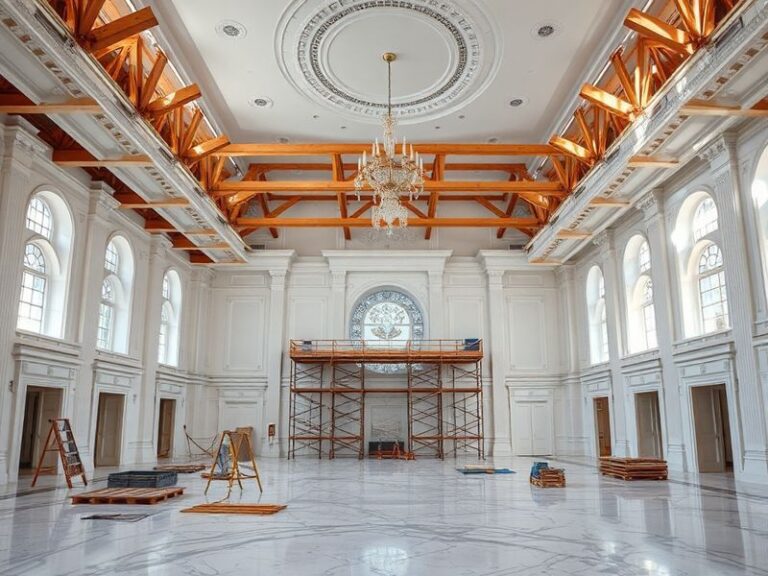
The city’s rise to prominence began in the late 19th century during the rubber boom, when it became one of the wealthiest places in the world. The opulent Teatro Amazonas, an ornate opera house constructed from imported European materials, still stands as a testament to that era’s extravagance. Today, Manaus remains a key player in Brazil’s industrial landscape, particularly as a free trade zone, yet it continues to captivate visitors with its unique blend of history, nature, and resilience.
The Amazon’s Urban Pulse: Manaus as a Cultural Melting Pot
Manaus is more than just a gateway to the Amazon—it is a cultural mosaic shaped by Indigenous heritage, colonial history, and modern migration. The city’s demographic reflects this diversity. Indigenous communities, descendants of rubber tappers, and migrants from across Brazil and beyond converge here, creating a vibrant tapestry of traditions. Festivals like the Festival Folclórico de Manaus celebrate this diversity with music, dance, and art that draw from Afro-Brazilian, Indigenous, and European influences.
One of the most striking examples of this cultural fusion is the city’s cuisine. Dishes like tacacá, a spicy tapioca soup flavored with jambu leaves and shrimp, or pirarucu de casaca, a richly seasoned fish dish, highlight the Amazon’s culinary creativity. Local markets, such as the Mercado Municipal Adolpho Lisboa, offer a sensory overload of exotic fruits, fresh fish, and handcrafted goods, providing a direct link to the region’s natural and cultural wealth.
The city’s artistic scene also thrives, with street art and music scenes that reflect both local struggles and dreams. Bands like Orquestra Amazonense de Música Popular blend traditional Amazonian rhythms with contemporary sounds, while murals across the city tell stories of environmental conservation and Indigenous rights. For those interested in entertainment with a conscience, Manaus offers a rare opportunity to experience art that is deeply connected to its surroundings.
Nature’s Grand Stage: Manaus as the Doorway to the Amazon
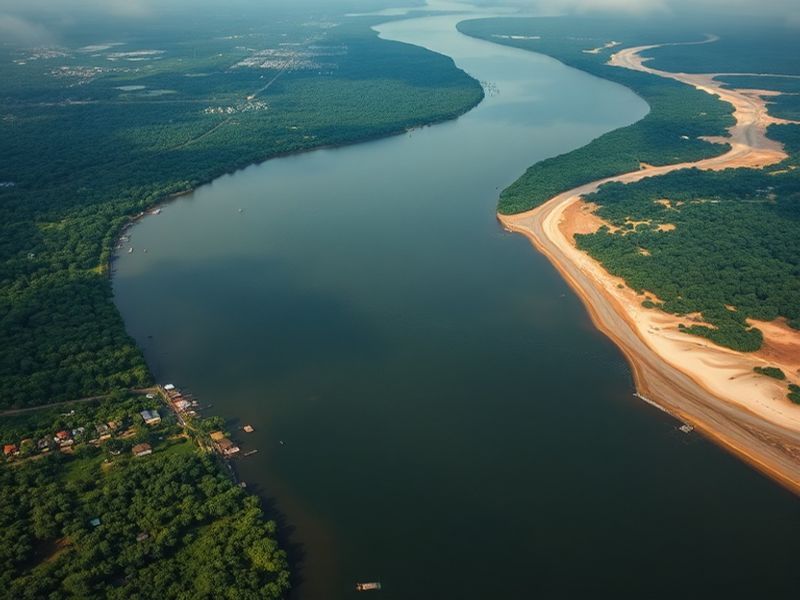
No discussion of Manaus would be complete without acknowledging its role as the primary access point to the Amazon rainforest. The city’s location at the confluence of the Negro and Amazon rivers makes it an ideal starting point for expeditions into one of the planet’s most critical ecosystems. Tourists and researchers alike flock here to explore the jungle’s mysteries, from the pink river dolphins of the Meeting of the Waters to the indigenous reserves of the Reserva de Desenvolvimento Sustentável do Tupé.
The Meeting of the Waters, where the dark waters of the Rio Negro meet the sandy-colored Amazon River without immediately mixing, is one of the most photographed natural phenomena in the world. This stunning contrast is best observed from a riverboat or a viewing platform, offering a visual reminder of the Amazon’s complexity. Nearby, the Parque Nacional de Anavilhanas, a flooded forest archipelago, provides a quieter alternative for those seeking solitude amid towering trees and diverse wildlife.
For adventure seekers, Manaus serves as a launchpad for multi-day jungle treks, wildlife safaris, and visits to remote communities. Guided tours often include stays in eco-lodges, where visitors can learn about sustainable tourism practices and the challenges facing the Amazon, such as deforestation and climate change. The city’s proximity to these natural wonders underscores its importance not just as a destination, but as a steward of the environment.
Challenges and Opportunities: Manaus in the 21st Century
Despite its cultural and ecological significance, Manaus faces formidable challenges. The city’s rapid urbanization has led to issues like pollution, traffic congestion, and social inequality. The free trade zone, which has driven economic growth, has also attracted industries with questionable environmental records, including illegal logging and mining operations that threaten the surrounding rainforest. Balancing development with conservation remains a delicate act for local authorities and activists.
Yet, Manaus is also a city of innovation and resilience. Initiatives like the Programa de Desenvolvimento Sustentável de Manaus aim to promote green infrastructure and renewable energy, while grassroots organizations work to protect Indigenous lands and promote eco-tourism. The city’s universities, including the Universidade Federal do Amazonas, are hubs for research on biodiversity and climate change, attracting scientists from around the world.
For travelers, this blend of struggle and progress adds depth to the Manaus experience. Visitors are not just passive observers; they become part of a larger narrative about the future of the Amazon and the planet. Whether through supporting local conservation projects or simply engaging with the city’s residents, tourists can contribute to the ongoing story of Manaus as a place where humanity and nature intersect.
Why Manaus Matters Beyond Its Borders
Manaus’s story is one of contrasts—wealth and poverty, urbanization and wilderness, tradition and modernity. It challenges visitors to look beyond the stereotypes of the Amazon as a distant, untouchable wilderness and see it instead as a living, breathing entity with its own urban heartbeat. The city’s ability to endure and adapt offers lessons for other regions grappling with similar dilemmas.
From its historic opera house to its contemporary street art, from the rubber barons’ legacy to today’s eco-tourism pioneers, Manaus encapsulates the complexities of the Amazon. It is a place where the past and future collide, where every street corner and river bend tells a story. For those willing to explore beyond the surface, Manaus reveals itself as a destination that is as thought-provoking as it is breathtaking.
Whether you are drawn by the allure of the Amazon, the call of cultural discovery, or the promise of adventure, Manaus invites you to experience a world where nature and humanity are inextricably linked. It is a reminder that the most extraordinary places are not just on the map—they are the ones that challenge us to see the world differently.
—