Spotify’s New Logo: A Subtle Shift With Big Implications
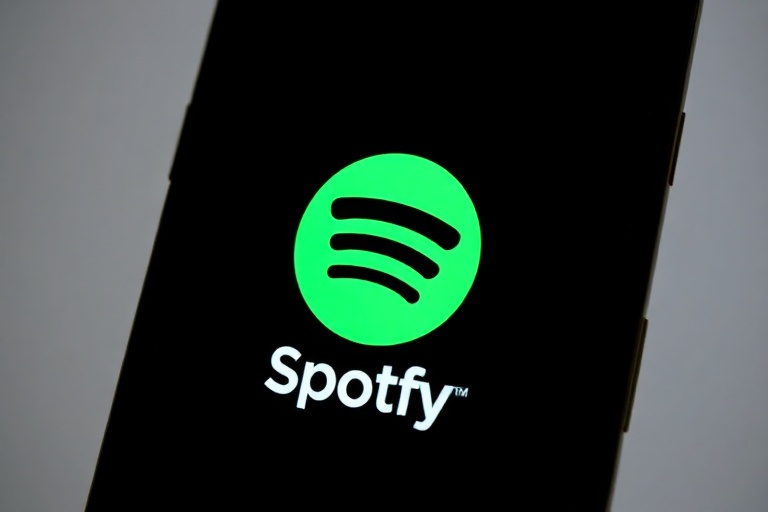
Spotify has unveiled a refreshed logo, marking one of the most visible changes to its brand identity in years. The update, teased in late 2023 and fully rolled out in early 2024, retains the core elements of the iconic green circle and three black lines—known as the “sound waves”—but introduces refined typography and spacing. While the changes are minimal, they signal a strategic evolution in how Spotify positions itself amid growing competition in the streaming wars.
The new logo replaces the bold, rounded font introduced in 2013 with a sleeker, more geometric sans-serif typeface. The black lines within the green circle have also been slightly adjusted, appearing more evenly spaced and less rigid. According to Spotify’s design team, the update aims to enhance readability across devices while maintaining the brand’s playful yet modern aesthetic.
The Design Evolution: What Changed and Why
At first glance, the differences between the old and new logos are subtle. The 2013 logo featured a rounded, friendly typeface with a slightly uneven placement of the sound waves. The new version adopts a cleaner, more contemporary look with sharper edges and balanced spacing. The green circle remains the same, but the overall composition feels more polished.
Spotify’s design lead, Tobias van Schneider, explained in a blog post that the update reflects the platform’s growth beyond music into podcasts, audiobooks, and even video content. “We wanted a logo that feels timeless but also adaptable,” he wrote. The changes are part of a broader rebranding effort that includes updated app icons and marketing materials.
The typography shift is particularly noteworthy. The new font, a custom variation of Neue Haas Grotesk, aligns Spotify with modern design trends seen in tech brands like Apple and Google. It’s less playful and more professional, signaling Spotify’s ambition to be seen as more than just a music service.
Key Visual Adjustments
- Typeface: Replaced the rounded 2013 font with a sharper, geometric sans-serif.
- Sound Waves: Adjusted spacing and alignment for a more balanced look.
- Color: The iconic green remains unchanged, preserving brand recognition.
- Spacing: Improved kerning and proportions for better scalability.
Why This Move Matters in the Streaming Landscape
In an industry where user attention is fragmented, branding plays a crucial role in differentiation. Spotify’s logo update isn’t just about aesthetics—it’s a strategic move to reinforce its dominance in a crowded market. Competitors like Apple Music and YouTube Music have also refreshed their identities in recent years, making visual identity a key battleground.
The rebrand comes as Spotify expands into new verticals. With the launch of Spotify Video, enhanced podcast features, and even AI-driven tools like DJ Mode, the company is positioning itself as an all-encompassing audio platform. The new logo subtly reinforces this shift, suggesting a more mature and versatile brand.
User reactions have been mixed. Some long-time fans appreciate the modern touch, while others argue the changes dilute the brand’s original charm. On social media, debates have surfaced about whether the update feels necessary or overly corporate. However, early data suggests the new logo performs well in A/B tests, particularly in app store listings and ads.
Broader Implications for Branding in Tech
Spotify’s logo refresh reflects a broader trend in tech branding: the push toward minimalism and adaptability. Companies like Meta, X (formerly Twitter), and even Microsoft have embraced cleaner, more scalable designs in recent years. The rationale is clear—simple logos work better across devices, from smartwatches to billboards.
For Spotify, the challenge was balancing familiarity with evolution. The company couldn’t afford to alienate its user base, so the changes had to feel intuitive. The new logo achieves this by keeping the green circle and sound waves intact while refining the details. It’s a masterclass in subtle rebranding.
Industry analysts also point to the timing of the update. With the rise of AI-generated content and personalized playlists, Spotify is doubling down on its role as a curator. The refreshed logo aligns with this narrative, projecting an image of innovation without losing its core identity.
What’s Next for Spotify’s Visual Identity?
The logo update is just the beginning. Spotify has hinted at further refinements to its app interface, including updated icons and color schemes. The company is also investing heavily in motion graphics, with animated versions of the new logo appearing in app transitions and ads.
For users, the changes may not be immediately noticeable—but over time, the new logo will become the standard. Whether this rebranding effort translates into long-term growth remains to be seen. However, one thing is clear: Spotify is treating its visual identity as seriously as its product features.
As the streaming wars intensify, branding will only grow in importance. Spotify’s subtle yet strategic logo update is a reminder that even the smallest design choices can shape how a company is perceived in the market.
For more on how tech companies are evolving their branding strategies, check out our Technology section. To explore the intersection of design and culture, visit our Culture page.