Giant Octopus: Science, Myths, and Where to See Them
“`html
The Giant Octopus: Myth, Reality, and Global Fascination
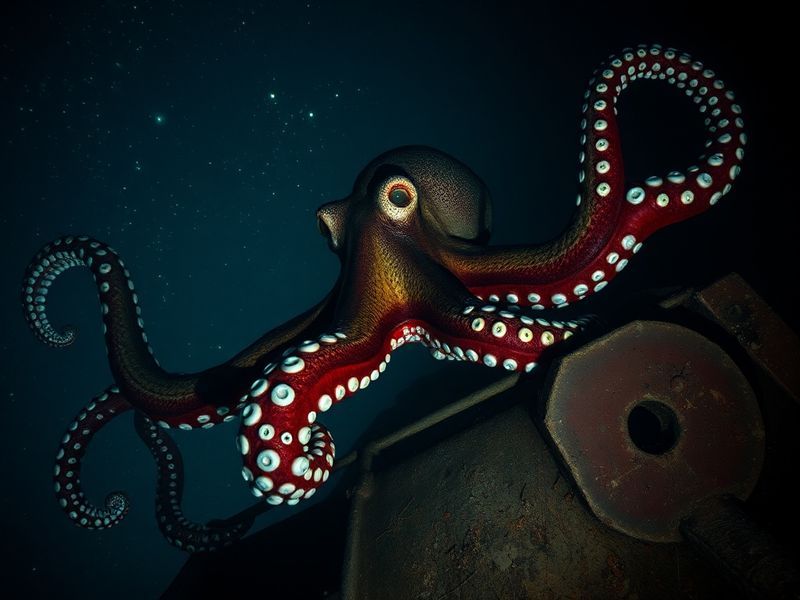
The giant octopus has long occupied a space between legend and science, a creature that looms large in human imagination. From ancient sailors’ tales to modern deep-sea expeditions, the idea of a massive, intelligent cephalopod has captivated cultures across the globe. While true “giant” octopuses—species reaching remarkable sizes—do exist, their real-world behaviors and habitats remain as mysterious as the myths that surround them.
Across the Pacific Northwest, Polynesian seafaring traditions, and even Japanese folklore, the giant octopus appears as both a feared predator and a symbolic figure. In some narratives, it embodies the untamed power of the ocean; in others, it serves as a trickster or guardian of underwater realms. This dual role reflects humanity’s complex relationship with the deep sea—a realm we know less about than the surface of the moon.
The Science Behind the Legend
Scientifically, the term “giant octopus” most commonly refers to the Enteroctopus dofleini, also known as the giant Pacific octopus. Found along the coasts of the North Pacific, from California to Alaska and across to Japan and Korea, this species holds the record for the largest octopus by weight and arm span. Adults can weigh up to 110 pounds (50 kg) and stretch their tentacles more than 14 feet (4.3 meters) wide.
Unlike the mythical kraken, which was said to capsize ships, the giant Pacific octopus is primarily a benthic hunter. It feeds on crabs, clams, and fish, using its powerful suckers and beak to pry open shells. Its intelligence is well-documented; octopuses are known for problem-solving, tool use, and even short-term memory. Some aquariums have reported individuals learning to unscrew jars or navigate mazes to access food.
Despite its formidable size, this species is generally shy and non-aggressive toward humans. Most encounters occur when divers or researchers explore its rocky, kelp-forested habitat. However, its strength is undeniable—there are documented cases of octopuses overpowering sharks in territorial disputes and even escaping aquarium tanks by squeezing through tiny gaps.
Cultural Depictions: From Kraken to Cultural Icons
The giant octopus has been immortalized in art, literature, and film, often as a symbol of nature’s unpredictability. In Scandinavian mythology, the kraken was a colossal sea monster said to dwell off the coasts of Norway and Greenland. Described in 18th-century texts as large enough to “pull down the largest man-of-war,” the kraken embodied sailors’ fears of the unknown depths.
In Japanese culture, the giant octopus appears in the form of the tako, a creature both feared and revered. One of the most famous legends involves the fisherman Tawara no Tōda, who battled a monstrous octopus with his bare hands. This tale evolved into theatrical performances and later, into modern manga and anime, where the octopus often symbolizes perseverance or ecological balance.
In the Pacific Northwest, Indigenous peoples such as the Haida and Tlingit tell stories of the Sisiutl, a powerful sea spirit sometimes depicted with octopus-like features. These narratives emphasize respect for marine life and warn against greed—echoing a global theme: the ocean’s resources, though vast, are not limitless.
Modern media continues to shape the giant octopus’s image. Films like It Came from Beneath the Sea (1955) and Pacific Rim (2013) portray colossal, city-threatening creatures. While these portrayals are fictional, they reflect deep-seated anxieties about humanity’s place in a world where nature still holds greater power.
Conservation and the Future of Giant Octopuses
Despite their intelligence and ecological role, giant octopuses face growing threats from climate change, overfishing, and habitat destruction. Warming ocean temperatures disrupt the delicate balance of their ecosystems, while bottom trawling destroys the rocky reefs they rely on for shelter. Pollution, particularly plastic waste, poses another danger—octopuses have been found ingesting microplastics, which can accumulate in their tissues.
Conservation efforts are emerging, particularly in regions where giant Pacific octopuses are culturally and economically significant. In Japan, local fisheries have adopted sustainable practices, such as rotating fishing grounds to allow octopus populations to recover. In Washington State, the Puget Sound has become a focal point for marine protection, with initiatives to restore kelp forests—a critical habitat for octopuses and countless other species.
Scientists are also turning to these creatures for insights into marine biology and even robotics. Octopus-inspired robots, with flexible arms and distributed intelligence, are being developed for underwater exploration and search-and-rescue missions. Their unique physiology continues to inspire innovation, proving that this ancient lineage holds secrets valuable to human technology.
Encountering the Giant Octopus: Where to Look
For those eager to see a giant octopus in the wild, several locations offer reliable sightings under the right conditions:
- Friday Harbor, Washington (USA) – Part of the San Juan Islands, this area is home to a thriving population of giant Pacific octopuses. Dive operators offer guided expeditions, often highlighting octopus dens in shallow waters.
- Tofino, British Columbia (Canada) – Known for its cold, clear waters and rich kelp forests, Toofino is a hotspot for divers hoping to spot octopuses year-round.
- Hachijō-jima, Japan – This volcanic island in the Izu archipelago is famous for its underwater biodiversity, including frequent encounters with large octopuses in caves and crevices.
- Moray Firth, Scotland – While not as large as the Pacific species, the common octopus (Octopus vulgaris) is occasionally spotted here, offering a glimpse into European cephalopod life.
Patience and respect are key when observing these animals. Divers are advised to avoid touching or disturbing dens, as octopuses are sensitive to stress. The reward, however, is unforgettable—a fleeting glimpse of an alien intelligence in a world so unlike our own.
Conclusion: A Living Mystery
The giant octopus remains a paradox: a creature of enormous physical presence and quiet, inscrutable intelligence. It challenges our understanding of marine life while embodying the mysteries of the deep. Whether as a symbol in folklore, a subject of scientific study, or an icon in popular culture, it continues to fascinate.
As we push further into the ocean’s depths—whether for research, conservation, or adventure—we may yet uncover more about these enigmatic animals. For now, they invite us to reflect on the vastness of the natural world and our place within it. The giant octopus is not just a legend. It is a living testament to the wonders that still await discovery beneath the waves.