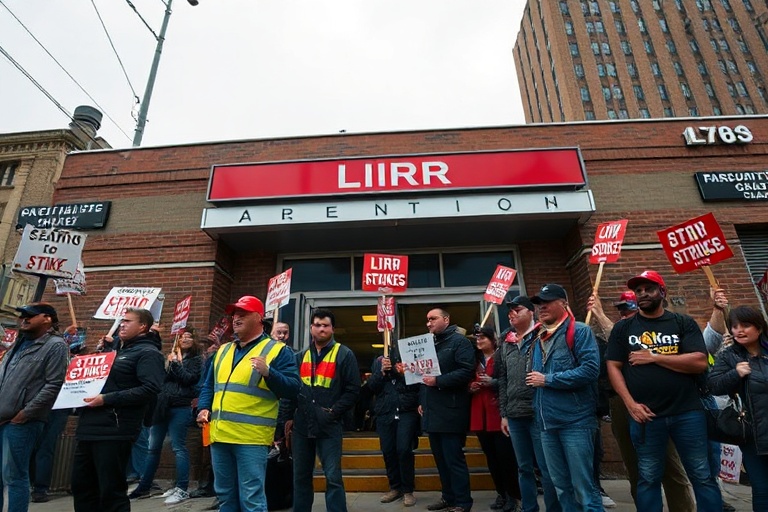
The Long Island Rail Road (LIRR) strike situation remains fluid as both union representatives and management continue marathon bargaining sessions. Commuters face ongoing uncertainty, with service disruptions affecting daily routines across Nassau and Suffolk counties. The latest developments suggest progress in some areas, though key sticking points persist.
Governor Kathy Hochul has publicly emphasized the importance of reaching a resolution, warning that a prolonged strike would have severe economic consequences for the region. Her administration has been actively engaged in mediation efforts, though no breakthrough has been announced as of this update.
Current Service Disruptions and Impact on Commuters
LIRR ridership has dropped significantly since negotiations stalled. Daily commuters report difficulty planning alternative routes, with some opting for rideshare services or carpooling arrangements. The MTA has yet to announce any official contingency plans, though rumors suggest potential bus bridge operations could be implemented if the strike escalates.
- Morning rush hour: Some trains operating at reduced capacity with 30-minute delays reported
- Weekend service: Partial weekend schedules in effect, though many planned trips remain canceled
- Accessibility concerns: Disabled passengers face additional challenges due to limited alternative transportation options
The uncertainty has created ripple effects through local businesses that rely on LIRR commuters. Retailers near major stations report declining foot traffic, while restaurants and coffee shops struggle with unpredictable customer volumes.
Key Issues in Contract Negotiations
The primary stumbling blocks appear centered on compensation and working conditions. Union leaders have highlighted wages as a critical issue, particularly given recent inflation trends. Management, meanwhile, has emphasized the need for cost controls to maintain service quality across the system.
Other notable concerns include:
- Healthcare benefit contributions
- Pension plan adjustments
- Staffing levels and overtime policies
- Implementation of new scheduling technology
Negotiators have reportedly made progress on some secondary issues, but wage increases remain the central point of contention. Both sides have expressed willingness to continue discussions, though neither has indicated flexibility on their core positions.
Regional Economic Implications
The potential impact of a prolonged LIRR strike extends far beyond commuter inconvenience. Analysts estimate the regional economy could lose millions daily if service remains suspended for an extended period. The business district near Penn Station would particularly affected, with financial services companies already implementing remote work protocols.
Local governments are also preparing for potential revenue shortfalls. Property tax collections could be impacted if commercial real estate values decline due to reduced accessibility. The hospitality industry, already recovering from pandemic-era losses, faces additional setbacks as conference cancellations mount.
Some economists suggest this strike could accelerate discussions about long-term transportation alternatives. The regional transit network has faced criticism for years regarding reliability and coverage gaps, with some advocates pushing for expanded bus rapid transit options.
What Comes Next for Commuters and Businesses
The next 48 hours appear critical in determining whether these negotiations can reach a tentative agreement. Union leadership has scheduled membership meetings to discuss potential strike authorization votes, though no date has been set for such action.
For commuters, the best course remains monitoring official MTA announcements and having flexible work arrangements ready. Businesses should prepare for continued uncertainty by implementing staggered schedules or encouraging remote work where possible.
The MTA board has not commented publicly on whether they would consider service reductions even if an agreement is reached, citing the need to restore full operations gradually. This suggests commuters may face lingering disruptions even after any potential resolution.
“The LIRR strike isn’t just about transportation—it’s about maintaining the economic heartbeat of Long Island and parts of Queens. Every day without resolution costs our region dearly.” — Local Chamber of Commerce representative
As this situation develops, stakeholders across the region will need to remain patient but proactive. The coming days will determine whether this labor dispute becomes another chapter in New York’s transportation challenges or a catalyst for meaningful reform.
For real-time updates, commuters should check the official MTA website or download the LIRR TrainTime app. Both platforms provide the most current information on service changes and potential strike impacts.
This article was last updated on the current date and will be revised as new information becomes available.