<!DOCTYPE html>
<html lang="en">
<head>
    <meta charset="UTF-8">
    <meta name="viewport" content="width=device-width, initial-scale=1.0">
    <title>Flood Watch: What You Need to Know When Water Threatens Your Area</title>
</head>
<body>
    <article>
        <header>
            <h1>Flood Watch: What You Need to Know When Water Threatens Your Area</h1>
            <p>With weather patterns growing increasingly unpredictable, flood watches are becoming a more frequent alert for communities nationwide. Understanding what these warnings mean—and how to respond—can make the difference between safety and danger.</p>
        </header>

        <section>
            <h2>What Is a Flood Watch?</h2>
            <p>A flood watch is issued by the National Weather Service (NWS) when conditions are favorable for flooding to occur in a specific area. Unlike a flood warning, which indicates flooding is imminent or already happening, a watch serves as an early alert. It signals residents to prepare and stay informed about evolving weather developments.</p>

            <p>These watches typically cover large regions and may last for several hours or even days. They are triggered by factors such as prolonged rainfall, saturated soil, rapid snowmelt, or dam/levee failures. For example, in 2023, the Midwest saw multiple flood watches due to a combination of heavy spring rains and melting snowpack, prompting evacuations in low-lying areas.</p>

            <p>The NWS uses advanced hydrological models and real-time data to issue these alerts. However, local topography and infrastructure play a crucial role in determining actual flood risk. Rural areas with poor drainage may experience flash flooding even when broader forecasts appear mild.</p>
        </section>

        <section>
            <h2>How to Prepare When a Flood Watch Is Active</h2>
            <p>Being proactive during a flood watch can save lives and reduce property damage. Preparation begins with awareness—knowing whether your home or workplace lies in a flood-prone zone. The Federal Emergency Management Agency (FEMA) provides flood risk maps through its <a href="https://www.fema.gov/flood-maps">Flood Map Service Center</a>, which is a vital resource for residents.</p>

            <p>Key steps to take include:</p>
            <ul>
                <li><strong>Assemble an emergency kit:</strong> Include water, non-perishable food, medications, flashlights, batteries, and important documents sealed in waterproof containers.</li>
                <li><strong>Move valuables to higher ground:</strong> Elevate furniture, electronics, and sentimental items to minimize water damage.</li>
                <li><strong>Charge all devices:</strong> Ensure phones, power banks, and portable radios are fully charged in case of power outages.</li>
                <li><strong>Review evacuation routes:</strong> Identify multiple paths to higher ground or designated shelters. Practice the route with family members.</li>
                <li><strong>Stay informed:</strong> Monitor local news, NOAA Weather Radio, or trusted weather apps for updates. Sign up for community alert systems if available.</li>
            </ul>

            <p>It’s also wise to prepare for pets and livestock, securing carriers and ensuring they have access to elevated spaces. Farmers should move animals to higher terrain if possible and check feed supplies.</p>

            <p>One often-overlooked aspect is vehicle readiness. Keep your gas tank at least half full during flood season, as gas stations may lose power or run out of fuel during widespread evacuations. Park in higher areas if flooding is expected, and avoid parking near rivers or streams.</p>
        </section>

        <section>
            <h2>Common Misconceptions About Flood Watches</h2>
            <p>Despite their importance, flood watches are sometimes misunderstood, leading to complacency or unnecessary panic. One widespread myth is that flooding only occurs near large bodies of water like rivers or oceans. In reality, flash floods can strike anywhere within minutes, especially in urban areas with poor drainage systems. A 2022 study by the U.S. Geological Survey found that 40% of flood-related fatalities occur outside designated floodplains.</p>

            <p>Another misconception is that a flood watch means evacuations are mandatory. While watches signal potential danger, they do not guarantee flooding will occur. However, ignoring them can be risky. During Hurricane Harvey in 2017, some residents in Houston disregarded early watches, only to face catastrophic flooding when levees failed and rainfall totals shattered records.</p>

            <p>Some people also assume that sandbags alone can protect their property. While sandbags can redirect water flow, they are not foolproof. Improperly stacked sandbags can fail, and water may seep underneath. FEMA recommends using sandbags in conjunction with other flood-proofing measures, such as sealing basement walls with waterproof compounds and installing sump pumps.</p>
        </section>

        <section>
            <h2>Broader Implications of Frequent Flood Watches</h2>
            <p>The increasing frequency of flood watches reflects deeper environmental and infrastructural challenges. Climate change is intensifying rainfall patterns, with warmer air holding more moisture and leading to heavier downpours. According to the <a href="https://www.ipcc.ch/report/ar6/wg1/">Intergovernmental Panel on Climate Change (IPCC)</a>, the frequency of heavy precipitation events has risen by 30% in North America since the mid-20th century.</p>

            <p>Urbanization exacerbates the problem. As cities expand, natural water-absorbing landscapes like wetlands and forests are replaced with concrete and asphalt. This reduces the ground’s ability to absorb rainwater, increasing runoff and flood risk. Houston’s experience with Hurricane Harvey highlighted how rapid development in floodplains can worsen flooding outcomes.</p>

            <p>Aging infrastructure also plays a role. Many levees, dams, and drainage systems in the U.S. were built decades ago and are not equipped to handle modern rainfall volumes. The American Society of Civil Engineers gave U.S. infrastructure a <a href="https://www.infrastructurereportcard.org/">C- grade in 2021</a>, with flood-related systems scoring even lower. Investment in resilient infrastructure, such as green roofs, permeable pavements, and upgraded drainage systems, is critical but often delayed due to funding constraints.</p>

            <p>On a societal level, frequent flood watches disrupt daily life, strain emergency services, and impact local economies. Small businesses may face repeated closures, while farmers contend with waterlogged fields and crop losses. Insurance premiums in flood-prone areas have also risen, pricing out some homeowners and leaving others underinsured.</p>
        </section>

        <section>
            <h2>What to Do When a Flood Watch Is Lifted or Upgraded</h2>
            <p>A flood watch may be lifted if conditions improve, or it could be upgraded to a flood warning if flooding becomes imminent. Knowing how to respond in either scenario is essential.</p>

            <p>If the watch is lifted:</p>
            <ul>
                <li>Continue monitoring local updates in case conditions worsen.</li>
                <li>Check your property for any signs of water damage or structural stress.</li>
                <li>Review your emergency plan to ensure it remains viable for future threats.</li>
            </ul>

            <p>If the watch is upgraded to a warning:</p>
            <ul>
                <li>Act immediately. Move to higher ground or a designated shelter.</li>
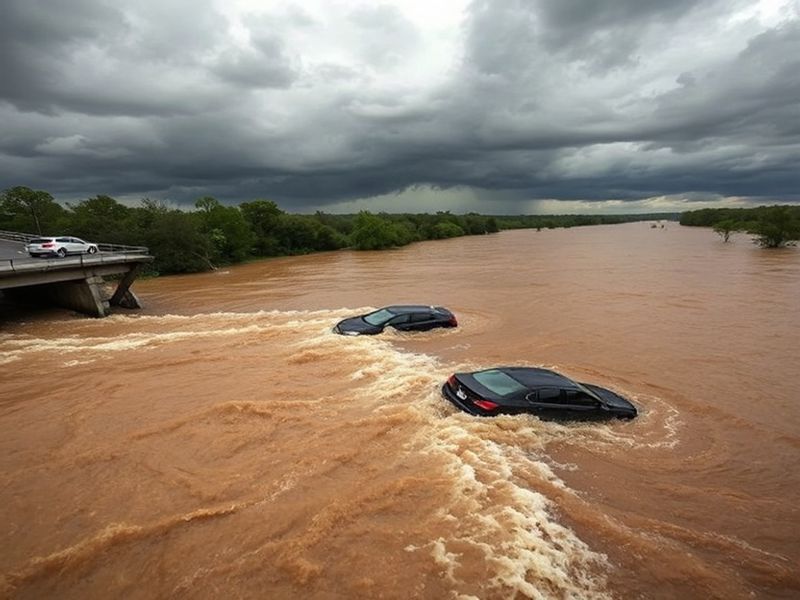
                <li>Avoid walking or driving through floodwaters, as just six inches of moving water can knock you down.</li>
                <li>Do not attempt to cross flooded roadways, even if they appear shallow. Turn around, don’t drown.</li>
                <li>Stay away from downed power lines and report them to authorities.</li>
            </ul>

            <p>After the flood subsides, prioritize safety during cleanup. Wear protective gear to avoid contact with contaminated water, which may contain sewage, chemicals, or debris. Document any damage for insurance claims and take photos before making repairs.</p>
        </section>

        <footer>
            <h2>Final Thoughts</h2>
            <p>Flood watches serve as a critical early warning system in an era of heightened weather risks. While they may not always result in flooding, their presence demands attention and preparation. By understanding the science behind these alerts, dispelling common myths, and taking proactive steps, individuals and communities can better navigate the challenges posed by rising flood risks.</p>

            <p>As climate change continues to reshape weather patterns, the importance of flood preparedness will only grow. Investing in resilient infrastructure, improving urban planning, and fostering public awareness are essential steps toward reducing the toll of future floods. For those in high-risk areas, staying informed and ready is not just a precaution—it’s a necessity.</p>

            <p>For more information on emergency preparedness, visit <a href="https://www.ready.gov/">Ready.gov</a>. To check your flood risk, explore FEMA’s resources <a href="https://www.fema.gov/flood-maps">here</a>.</p>
        </footer>
    </article>
</body>
</html>