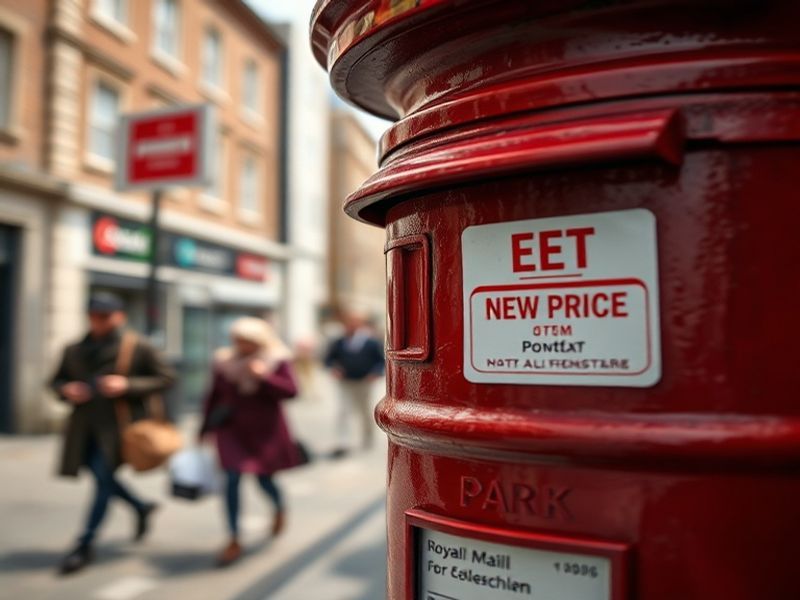
The Royal Mail’s recent price adjustments have sent ripples through the UK’s postal and e-commerce sectors. With inflationary pressures persisting globally, postal services are recalibrating their pricing structures to maintain operational stability. While the increases may seem incremental, their cumulative effect on household budgets and small businesses could be significant.
The decision follows a pattern observed in other major postal operators worldwide. From Deutsche Post in Germany to USPS in the United States, providers are reassessing their fee structures to offset rising operational costs. This global shift underscores a broader trend: the cost of delivering physical mail and parcels is climbing, and consumers are feeling the pinch.
Why Are Royal Mail Prices Rising?
Several interconnected factors are driving the price increases. First, labor costs have surged in the UK, particularly in the logistics and delivery sectors. Postal workers’ wages have risen in response to inflation and labor shortages, directly impacting Royal Mail’s operational expenses. Second, fuel prices remain volatile, increasing the cost of transporting mail across the country. Finally, the ongoing shift toward e-commerce has placed additional strain on delivery networks, requiring more resources to handle higher parcel volumes.
These challenges are not unique to the UK. In France, La Poste has implemented similar price adjustments, citing comparable pressures. Even in countries with state-backed postal services, the balance between affordability and sustainability is becoming harder to maintain. The Royal Mail’s price increases reflect a global reality: delivering mail and parcels is no longer the cost-effective endeavor it once was.
The Ripple Effect on Consumers
For everyday consumers, the price hikes may seem minor at first glance. A first-class stamp now costs £1.10, up from £1.00, while second-class stamps have risen to £0.85 from £0.80. While these increments appear small, they add up quickly for households that rely on postal services for bills, letters, and occasional online purchases. For those sending multiple items or purchasing in bulk, the costs escalate further.
The impact is particularly acute for vulnerable populations. Elderly individuals and low-income households often depend on postal services for essential communications and deliveries. As prices rise, these groups may face difficult choices between affording postage and other necessities. Charities and community organizations have expressed concerns about the long-term consequences, especially as digital communication fails to reach everyone.
Small businesses are also feeling the squeeze. Many rely on Royal Mail for shipping, particularly those without the resources to negotiate bulk rates with private couriers. The price increases could force some to absorb the costs, reducing profit margins, or pass them on to customers, potentially driving up prices for goods and services. This dynamic threatens to stifle growth in sectors like artisanal crafts, independent publishing, and local retail.
How Businesses Are Adapting to the Changes
For larger enterprises, the Royal Mail price hikes are a reminder of the need for diversification. Many businesses are turning to alternative delivery services, such as DPD or Evri, to manage costs. Others are investing in in-house logistics solutions, particularly those with high shipping volumes. This shift could accelerate the consolidation of the courier market, favoring providers that can offer competitive rates at scale.
E-commerce platforms are also reevaluating their strategies. Some are incentivizing customers to choose slower, cheaper shipping options to offset the increased costs. Others are absorbing the price hikes temporarily, hoping to retain customer loyalty during a period of economic uncertainty. The long-term effects will depend on how consumers respond to these adjustments.
Here’s a breakdown of how different sectors are reacting:
- Retail: Many high-street brands are passing costs to consumers, while online retailers are exploring subscription models for free shipping.
- Art and Culture: Galleries and independent publishers are reducing the frequency of printed catalogs and limited-edition mailings to cut costs.
- Nonprofits: Charities are scaling back direct-mail campaigns, opting for digital outreach instead.
- Small Businesses: Local shops are partnering with local couriers or offering in-store pickup to avoid postal fees.
Global Comparisons: Postal Services Under Pressure
The Royal Mail’s struggles mirror those of postal services worldwide. In Japan, Japan Post has faced similar challenges, with rising labor and fuel costs prompting price adjustments. Meanwhile, in the United States, USPS has implemented its own pricing reforms, including surcharges for holiday season deliveries. These global trends highlight a shared dilemma: how to balance accessibility with financial sustainability in an era of escalating costs.
One notable difference lies in the level of state support. In countries like France and Germany, postal services receive significant subsidies, allowing them to maintain lower prices for consumers. The UK’s Royal Mail, now a publicly traded company, operates with less direct government intervention. This structural difference influences how aggressively prices can be adjusted and how much flexibility operators have in responding to economic pressures.
Another factor is the role of digital communication. While email and messaging apps have reduced the volume of personal letters, they have not eliminated the need for physical mail. Documents like contracts, legal notices, and official correspondence still require postal delivery. This dual demand—personal letters and essential documents—keeps postal services relevant, even as their traditional business models evolve.
What’s Next for Royal Mail and Its Customers?
The Royal Mail has signaled that further price adjustments may be necessary if economic conditions do not improve. For consumers and businesses alike, the message is clear: adapt or absorb the costs. However, adaptation is not always straightforward. Small businesses, in particular, may lack the resources to pivot quickly, leaving them vulnerable to the cumulative effects of rising postal fees.
There are potential silver linings. The price increases could accelerate innovation in delivery models. For example, autonomous delivery vehicles or drone-based services might eventually reduce costs, though widespread adoption remains years away. In the meantime, consumers and businesses must navigate a landscape where the price of sending a letter or parcel is no longer a given.
For the Royal Mail, the challenge will be balancing shareholder expectations with public service obligations. The company’s ability to innovate—whether through new pricing tiers, expanded digital services, or partnerships with private couriers—will determine its long-term viability. For customers, the message is one of vigilance: monitor price changes, explore alternatives, and plan ahead to mitigate the impact of future hikes.
The Royal Mail price increases are more than a financial adjustment; they are a reflection of broader economic currents reshaping global commerce. As postal services worldwide grapple with similar pressures, the decisions made today will shape the future of how we send and receive goods and information. Whether this leads to greater efficiency or further fragmentation remains to be seen—but one thing is certain: the cost of staying connected is rising.