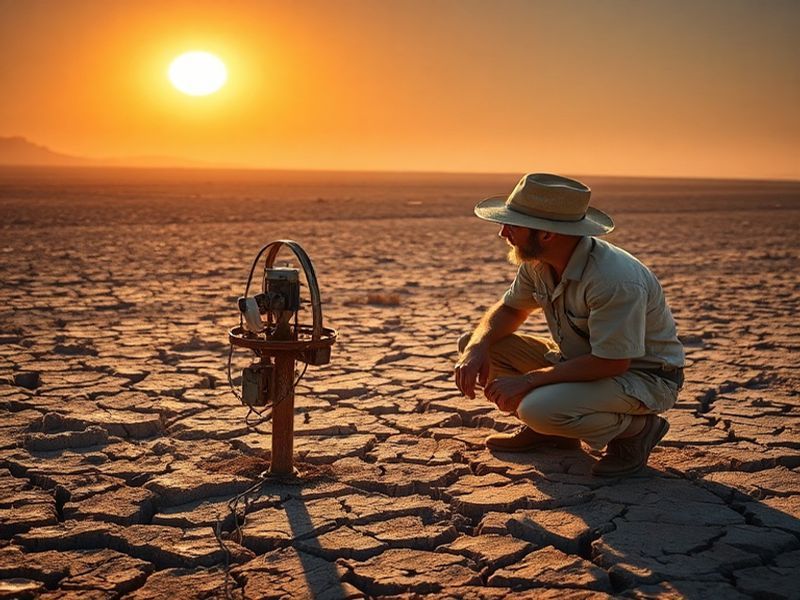
Understanding the Super El Niño Phenomenon
El Niño events occur when sea surface temperatures in the central and eastern Pacific Ocean rise significantly above average, disrupting global weather patterns. While regular El Niño events typically last 9-12 months, a Super El Niño represents an extreme version, characterized by temperature anomalies exceeding 2°C. The 2026 Super El Niño, currently forecasted by climate models, threatens to become one of the strongest on record, potentially rivaling the historic events of 1997-98 and 2015-16.
These events are not merely meteorological curiosities—they reshape economies, influence migration patterns, and even alter cultural traditions tied to seasonal cycles. The 2026 event arrives at a time when global climate systems are already under strain, amplifying its potential impact. Scientists warn that the intensity of this Super El Niño may be exacerbated by long-term ocean warming trends, making it a critical case study in climate adaptation.
The Science Behind the Forecast
Climate models from institutions like NOAA and the World Meteorological Organization (WMO) indicate a 70% chance of a Super El Niño developing by mid-2026. The key drivers include:
- Unusually warm subsurface waters in the Pacific, which provide the energy for the event to intensify.
- Weakened trade winds, which fail to push warm water westward, allowing it to accumulate near South America.
- Feedback loops between the ocean and atmosphere, where rising temperatures reinforce the El Niño conditions.
Historical data shows that Super El Niños tend to peak during the boreal winter, bringing extreme weather to regions ill-prepared for such volatility. The 2026 event could disrupt agricultural cycles, strain water supplies, and trigger economic slowdowns in vulnerable nations.
Global Consequences: From Droughts to Deluges
The ripple effects of a Super El Niño extend far beyond the Pacific. The 1997-98 event alone caused an estimated $35 billion in damages worldwide, with impacts ranging from collapsed fisheries in Peru to devastating floods in California. The 2026 Super El Niño is projected to follow a similar pattern but with heightened intensity due to climate change.
Regional Breakdown of Expected Impacts
Climate scientists have mapped the most likely scenarios for the 2026 Super El Niño:
- Southeast Asia and Australia: Prolonged droughts and wildfires, threatening food security in major rice-exporting countries like Thailand and Vietnam.
- South America: Heavy rainfall along the western coast, leading to landslides and infrastructure damage in Peru and Ecuador. Meanwhile, Brazil’s soybean harvest could face severe drought.
- North America: A milder winter in the northern U.S. but increased storm activity along the Gulf Coast, raising risks of flooding and power outages.
- Africa: Erratic monsoons in East Africa, exacerbating food shortages in regions already vulnerable to famine.
- Europe: Mixed effects, with colder winters in northern Europe but potential heatwaves in the south due to atmospheric shifts.
These disruptions are not isolated incidents—they create cascading effects. For example, reduced fish catches in Peru could ripple through global seafood markets, while droughts in Australia may drive up wheat prices worldwide. The interconnected nature of the global economy means that even distant regions will feel the consequences.
Cultural and Societal Adaptations
El Niño events have long shaped human societies, from ancient agricultural calendars to modern disaster preparedness. The 2026 Super El Niño arrives as communities worldwide are grappling with the realities of a warming planet, forcing a reevaluation of traditional coping strategies.
How Communities Are Preparing
In Indonesia, farmers are turning to drought-resistant crops like cassava, while in California, water districts are accelerating conservation measures. Indigenous communities in the Andes, who historically relied on El Niño predictions to plan harvests, now face unprecedented uncertainty as climate patterns shift.
Cultural festivals tied to seasonal cycles are also adapting. In Peru, the Fiesta de la Candelaria, a vibrant celebration in February, has historically been held during the rainy season. With the 2026 Super El Niño expected to bring heavy rains, organizers are exploring contingency plans to protect the event’s traditional dances and processions.
The event also highlights disparities in resilience. Wealthier nations can invest in infrastructure and early warning systems, while developing countries often bear the brunt of the damage. This disparity underscores the need for global cooperation in climate adaptation.
Looking Ahead: Lessons for the Future
The 2026 Super El Niño serves as a stark reminder of the challenges posed by climate variability. While scientists cannot yet predict the exact intensity of the event, the warnings are clear: the world must prepare for disruption on an unprecedented scale.
Policy and Innovation Responses
Governments and organizations are taking steps to mitigate the impacts:
- Governments in Southeast Asia are stockpiling rice to prevent shortages during potential droughts.
- Insurance companies are adjusting premiums in flood-prone regions like California’s Central Valley.
- NGOs are launching campaigns to educate farmers on climate-smart agriculture.
Technological advancements, such as improved climate modeling and satellite monitoring, offer hope for better preparedness. However, the sheer scale of the 2026 Super El Niño demands a coordinated global response. Policymakers must prioritize equitable solutions that protect vulnerable populations while addressing the root causes of climate change.
As the event draws closer, the world will watch closely—not just for the immediate impacts, but for the long-term lessons it provides. The 2026 Super El Niño is more than a weather anomaly; it is a test of humanity’s ability to adapt in an era of accelerating climate disruption.
For those interested in tracking climate trends and their societal impacts, Science and Technology sections on Dave’s Locker provide ongoing coverage of these critical issues.