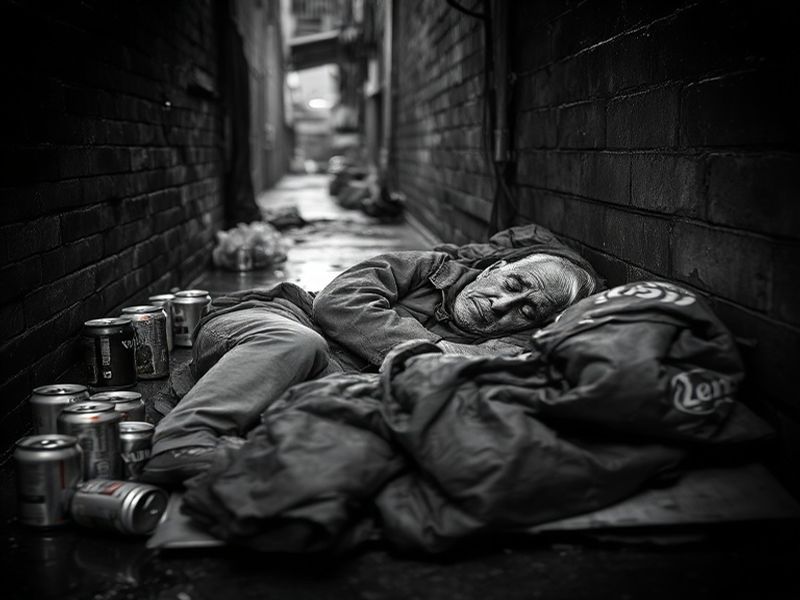
Homelessness Around the World: Causes, Crisis, and Solutions
“`html
Homelessness Across the Globe: Causes, Crisis, and Cultural Responses
Homelessness remains one of the most visible yet misunderstood social crises of our time. While often reduced to images of urban street dwellers, the reality spans continents, cultures, and economic systems. The causes are as varied as the solutions proposed, but one truth remains constant: homelessness is not a choice—it is a consequence of systemic failures, personal tragedy, and policy gaps.
In Western nations, homelessness is frequently tied to rising housing costs and mental health care shortages. In developing regions, displacement due to conflict, natural disasters, or economic collapse forces millions into temporary—and often permanent—homelessness. This global lens reveals that homelessness is not confined to any single country or ideology; it is a shared human challenge demanding nuanced understanding.
The Global Face of Homelessness
Homelessness manifests differently depending on geography, governance, and cultural attitudes. In Japan, for example, visible homelessness is relatively rare due to strong social safety nets and cultural expectations of communal support. Yet in Tokyo’s Ueno Park, small clusters of tent dwellers still appear—often elderly men who have fallen through the cracks of the country’s vaunted economic system.
Contrast that with India, where homelessness is both urban and rural. In cities like Mumbai, families live on sidewalks, under flyovers, or in crumbling chawls, while in rural areas, drought and debt drive farmers to abandon homes. India’s homeless population, estimated at over 1.8 million by the 2011 census, reflects a crisis rooted in poverty rather than policy alone.
Europe presents another model. Countries like Finland have nearly eradicated rough sleeping through Housing First programs—an approach that prioritizes permanent housing over temporary shelters. Meanwhile, in Greece, the economic crisis of 2010 led to a surge in homelessness, with many families losing homes to foreclosure and unable to access social services. The diversity of responses underscores a critical point: homelessness is not inevitable—it is addressable.
Key Factors Driving Homelessness Worldwide
- Housing Affordability: In cities like San Francisco, London, and Sydney, median rents now exceed 40% of median income, pushing low-wage workers into shelters or cars. The gap between wages and housing costs has widened dramatically in the past decade.
- Mental Health and Addiction: An estimated 30–40% of homeless individuals in the U.S. and Europe live with serious mental illness, while addiction disorders complicate recovery. Many systems remain ill-equipped to provide integrated care.
- Conflict and Displacement: Over 110 million people were forcibly displaced in 2023, according to the UNHCR. Many end up in refugee camps or informal settlements with no access to permanent housing.
- Weak Social Safety Nets: Countries with robust welfare systems—such as Denmark or Canada—tend to have lower homelessness rates. In nations where unemployment benefits are minimal or healthcare is privatized, the risk of homelessness rises sharply.
- Climate Change: Natural disasters displace millions annually. In 2022, Pakistan’s floods left over 500,000 people homeless. Rising sea levels threaten coastal cities, forcing long-term relocations.
Cultural Attitudes and Public Perception
How a society views homelessness often determines its response. In the United States, homelessness is frequently criminalized—through laws banning sleeping in public or loitering—rather than addressed as a social issue. Cities like Los Angeles have spent millions on policing homeless encampments while struggling to fund shelter beds.
In contrast, countries like Austria and Finland frame homelessness as a public health issue. In Vienna, social housing accounts for 60% of the city’s residential stock, ensuring affordability and stability. This cultural prioritization of collective well-being reduces stigma and fosters solutions.
Religious and civic traditions also shape responses. In India, the concept of dana (charity) drives temple-based food and shelter programs, though these often fall short of addressing root causes. In Brazil, Catholic organizations run ocupações (occupied buildings) that provide shelter to thousands, challenging both government inaction and gentrification.
But stigma persists. Homeless individuals are often stereotyped as lazy or dangerous, despite data showing that most homelessness stems from job loss, medical debt, or family breakdown. This misconception fuels policy failures and public apathy.
Innovative Solutions and Policy Models
Despite the scale of the crisis, some cities and countries are making progress. The Finnish model—based on the principle that housing is a human right—has reduced long-term homelessness by 40% since 2008. By providing permanent, subsidized apartments with support services, Finland treats homelessness as a housing issue, not a moral one.
In the U.S., cities like Houston have achieved measurable reductions through coordinated outreach, data tracking, and rental assistance programs. Between 2011 and 2020, Houston cut veteran homelessness by 63%. The success hinged on collaboration between government, nonprofits, and private donors.
Innovative models are emerging globally:
- Tiny Home Villages: In Seattle and Portland, villages of small, prefabricated homes offer dignity and privacy to those transitioning out of homelessness. These communities often include shared kitchens and counseling services.
- Community Land Trusts: In cities like Atlanta and Brussels, nonprofit land trusts acquire property to keep housing permanently affordable, shielding it from market speculation.
- Peer Support Networks: In Australia, programs like The Big Issue employ homeless individuals as vendors, providing income and social connection while advocating for systemic change.
- Digital Solutions: Apps like StreetLink in the UK allow citizens to report rough sleepers, enabling outreach teams to connect individuals with services within hours.
These examples prove that homelessness is not an unsolvable problem—it is a solvable one, given political will and public investment.
What Can Be Done? A Call for Systemic Change
Ending homelessness requires more than temporary fixes; it demands systemic transformation. At the local level, cities must expand affordable housing, increase funding for mental health and addiction services, and decriminalize homelessness. At the national level, governments need to strengthen social safety nets, protect renters from exploitation, and invest in disaster resilience.
But systemic change also requires cultural change. Language matters. Instead of calling people “the homeless,” we should say “people experiencing homelessness”—a shift that acknowledges their humanity and potential for change. Media representation must move beyond stereotypes, showing the complexity of those affected.
Individuals can contribute by supporting local shelters, advocating for policy reform, or volunteering time. Organizations like Dave’s Locker highlight grassroots efforts across sports, culture, and civic life, showing how communities come together in times of need.
Homelessness is not a problem of scarcity—it is a problem of priorities. We live in a world with enough resources to ensure everyone has a safe place to live. The question is whether we, as societies, choose to act on that truth.
The crisis is visible. The solutions exist. What remains is the will to implement them.