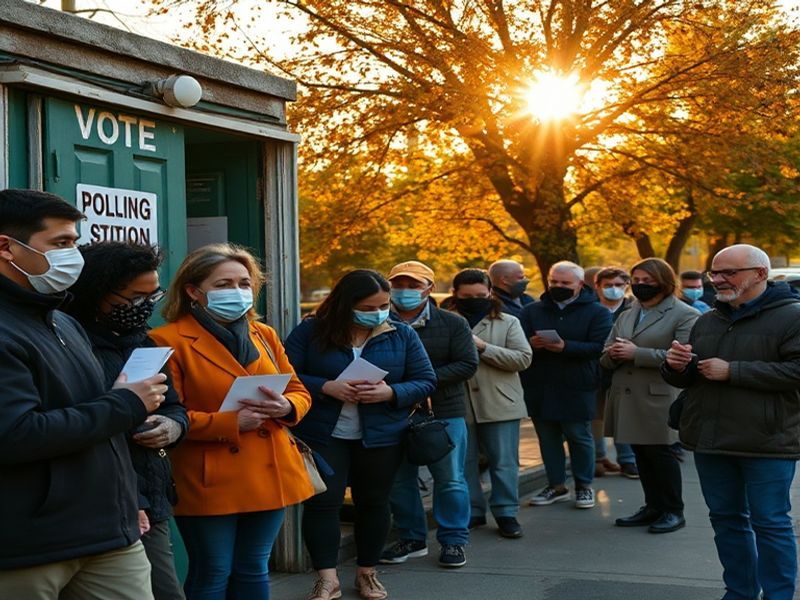
The right to vote remains one of humanity’s most powerful tools for change. From ancient Athens to modern polling stations, voting has evolved from a privilege of the elite to a fundamental right for millions. Yet across the globe, the practice of voting looks dramatically different depending on geography, history, and political context.
In some nations, casting a ballot is a seamless process that reflects the will of the people. In others, voters face obstacles ranging from outdated infrastructure to outright suppression. Understanding these variations reveals not just how democracies function, but why some thrive while others struggle.
The Mechanics of Voting: Systems That Shape Outcomes
Democracies around the world rely on diverse voting systems, each designed to balance representation, efficiency, and fairness. The most common include:
- First-Past-the-Post (FPTP): Used in countries like the United States and the United Kingdom, this system awards victory to the candidate with the most votes in a single district. While simple, critics argue it can marginalize smaller parties and skew representation.
- Proportional Representation (PR): Favored in nations like Germany and Sweden, PR allocates seats based on vote percentages, ensuring minority voices gain representation. This system often encourages coalition governments.
- Ranked-Choice Voting (RCV): Adopted in places such as Australia and parts of the U.S., RCV allows voters to rank candidates in order of preference. If no candidate wins a majority, the lowest-performing contender is eliminated, and votes are redistributed until a winner emerges.
- Electoral College: Unique to the United States, this system uses electors to cast votes based on state-level results. While intended to balance power between urban and rural areas, it has sparked intense debate over fairness and accuracy.
Each system carries trade-offs. FPTP tends to produce stable governments but can exclude diverse viewpoints. PR fosters inclusivity but often leads to fragmented legislatures requiring constant negotiation. The choice of system isn’t just technical—it shapes the very nature of governance.
Barriers and Battles: The Fight for Inclusive Voting
Even in established democracies, voting isn’t always accessible. In India, the world’s largest democracy, logistical challenges like poor infrastructure and voter intimidation in rural areas persist despite high turnout. Meanwhile, in the United States, debates over voter ID laws and polling place closures disproportionately affect minority communities, reigniting long-standing concerns about suppression.
Globally, some nations have taken bold steps to expand access. Estonia became a pioneer in 2005 by introducing online voting, allowing citizens to cast ballots via secure digital platforms. Over 50% of voters now participate online, demonstrating how technology can modernize democracy. Yet digital voting also raises cybersecurity concerns, as seen in recent allegations of foreign interference in elections.
Other countries have gone backward. In 2021, Nicaragua held elections widely condemned as a sham, with opposition leaders jailed and international observers barred. Such cases highlight how voting rights can erode when authoritarian regimes consolidate power.
The Role of Youth and First-Time Voters
Young people represent the largest demographic in many nations, yet their voting rates often lag behind older generations. In the 2020 U.S. election, voters aged 18-29 turned out in record numbers, driven by issues like climate change and racial justice. This surge mirrored trends in other countries, including South Korea and Brazil, where youth-led movements have reshaped political agendas.
Educational initiatives play a crucial role in engaging first-time voters. In Finland, civic education begins in primary school, teaching students about democracy’s mechanics and their role within it. Contrast this with nations where schools rarely discuss voting rights, leaving citizens ill-prepared to participate meaningfully.
Cultural Perspectives: How Tradition Meets Modernity
Voting isn’t just a political act—it’s a cultural one. In Switzerland, direct democracy allows citizens to propose and vote on laws through referendums, embedding civic participation into daily life. This system reflects the nation’s consensus-driven culture, where compromise is valued over confrontation.
In contrast, Japan’s voting culture is deeply influenced by social harmony and respect for authority. Turnout remains high, but voter apathy persists among younger generations who view politics as distant and unresponsive. Meanwhile, in South Africa, voting is tied to the legacy of apartheid, with many citizens seeing the ballot as a tool for continued liberation.
Religion also intersects with voting in unexpected ways. In Lebanon, sectarian quotas determine political representation, ensuring power is shared among Christian, Sunni, and Shia communities. This system, while preventing outright conflict, often leads to gridlock and corruption. Similarly, in Israel, ultra-Orthodox parties wield significant influence by mobilizing religious voters around issues like Sabbath laws and military exemptions.
Looking Ahead: The Future of Voting
The next decade will test the resilience of voting systems worldwide. Climate change, for instance, is forcing nations to grapple with how to conduct elections during natural disasters. In 2022, Pakistan held elections amid devastating floods, raising questions about accessibility and fairness in crisis conditions.
Technology will continue to redefine voting, from blockchain-based systems to AI-driven voter outreach. Estonia’s digital model proves innovation is possible, but concerns about hacking and disinformation loom large. Meanwhile, in-person voting remains vital for those without internet access or digital literacy.
Perhaps the biggest challenge is restoring trust. A 2023 Pew Research study found that only 56% of Americans believe their vote is counted accurately. This skepticism isn’t unique to the U.S.—institutional distrust plagues democracies from Brazil to India. Rebuilding faith requires transparency, from real-time vote tracking to post-election audits.
As the world grows more polarized, voting may become the last bastion of collective decision-making. Whether through ancient traditions or cutting-edge technology, the act of casting a ballot remains humanity’s most direct way to assert power over its future.
For those interested in how voting intersects with broader societal issues, explore our Politics and Culture sections for deeper analysis.