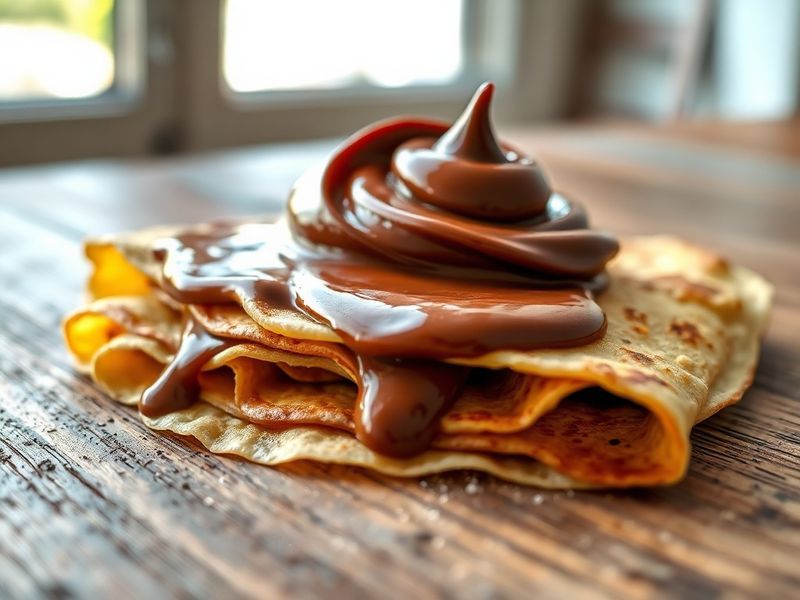
Few food products have achieved the near-universal recognition of Nutella. Spread across five continents, this hazelnut-chocolate paste has transcended its origins as a post-war Italian staple to become a breakfast table fixture, a dessert ingredient, and even a cultural symbol in many countries. Its creamy texture and sweet, nutty flavor have made it a favorite among children and adults alike, but the story behind Nutella is as rich as its taste.
The Origins of a Global Favorite
Nutella traces its roots back to 1946 in the northern Italian town of Alba, where pastry maker Pietro Ferrero created a simple but revolutionary product: Giandujot, a paste combining hazelnuts and cocoa to stretch the limited chocolate supply after World War II. This modest beginning evolved into Supercrema Giandujot in 1951, a smoother, more spreadable version. By 1964, Ferrero refined the recipe further, launching the product we now know as Nutella.
The name itself was a marketing triumph. Combining “nut” with the Italian suffix “-ella,” it evoked elegance and simplicity. The company expanded aggressively across Europe in the 1960s and 1970s, capitalizing on the continent’s growing appetite for affordable luxury. Today, Nutella is produced in 11 factories worldwide and sold in over 160 countries, with annual sales exceeding $3 billion.
A Cultural Phenomenon with Local Twists
While Nutella’s core recipe remains consistent, its reception varies dramatically across cultures. In France, where it is often eaten at breakfast with bread or crêpes, Nutella has become a national institution. French supermarkets devote entire aisles to the product, and artisanal versions have emerged in local bakeries. The French even have a verb—”nutelliser”—meaning to spread Nutella on something.
In Germany, Nutella is so ubiquitous that it has inspired a term of endearment: “Nutella-Kuss” (Nutella kiss), referring to the way the spread melts into a creamy hug. Meanwhile, in the United Kingdom, Nutella has become a staple of children’s lunchboxes, often paired with bananas or strawberries. The product’s adaptability has made it a canvas for local creativity, from Italian Nutella-filled bomboloni to American Nutella-stuffed French toast.
Yet Nutella’s global success hasn’t been without controversy. In 2017, the French government briefly considered banning Nutella due to its palm oil content, sparking outrage among consumers. The backlash highlighted the tension between globalized food production and local dietary preferences. Nutella’s parent company, Ferrero, responded by pledging to use 100% sustainable palm oil by 2020, a move that underscored the brand’s commitment to balancing scale with responsibility.
How Nutella Conquered Breakfast Tables
The breakfast table has been Nutella’s most reliable battleground. In Italy, it competes with traditional breakfast foods like biscotti or marmalade, but its convenience and sweetness have won over many. In the United States, where peanut butter dominates the spread market, Nutella carved out a niche as a premium alternative. Parents embraced it as a way to make breakfast more appealing to picky eaters, while food bloggers elevated it to gourmet status with recipes like Nutella-stuffed waffles or grilled cheese sandwiches.
Nutella’s marketing has played a crucial role in its breakfast dominance. Iconic campaigns, such as the 2012 “Spread the Happy” initiative, positioned Nutella as a symbol of joy and sharing. The brand’s social media presence is equally savvy, with Instagram accounts dedicated to Nutella-based recipes and user-generated content. In 2019, Nutella launched a limited-edition “Nutella & Go” portable cups, a direct response to modern consumer demands for convenience.
The Dark Side of Nutella’s Success
Despite its popularity, Nutella faces criticism on multiple fronts. Health advocates point to its high sugar content—about 55%—which has led to accusations of contributing to childhood obesity. A 2017 study by the University of Chicago found that Nutella contains more sugar per serving than many chocolate bars, prompting some schools to ban it from lunchrooms. The brand has responded by introducing smaller serving sizes and promoting portion control, but the health debate persists.
Environmental concerns have also dogged Nutella, particularly regarding palm oil. While Ferrero has made progress toward sustainability, the industry-wide challenges of deforestation and habitat destruction remain. Critics argue that even “sustainable” palm oil may not be enough to mitigate the ecological impact of large-scale production. Nutella’s global supply chain, which sources hazelnuts from Turkey, Italy, and increasingly South America, further complicates efforts to ensure ethical sourcing.
Another challenge is the rise of artisanal alternatives. Small-batch brands like Rigoni di Asiago’s Nocciolata and local hazelnut spreads have gained traction among consumers seeking organic or less processed options. These competitors often highlight their lack of palm oil or artificial flavors, appealing to health-conscious buyers. Nutella’s dominance in the market makes it a frequent target for nostalgia-driven backlash, with some arguing that its mass production has diluted its original charm.
The Future of Nutella
As Nutella approaches its 60th anniversary, the brand shows no signs of slowing down. Ferrero continues to innovate, experimenting with new flavors like white chocolate and hazelnut or limited-edition collaborations such as Nutella x Oreo. The company has also expanded into new product categories, including Nutella B-Ready, a snack bar, and Nutella & Go, a portable cup. These ventures reflect a broader trend in the food industry: the blurring of lines between breakfast, snack, and dessert.
Yet the brand’s future may depend on its ability to address the criticisms that have dogged it for years. Health-conscious consumers are increasingly scrutinizing the ingredients in their favorite foods, and environmental concerns show no sign of abating. Nutella’s response—balancing tradition with innovation—will determine whether it remains a beloved global icon or becomes a relic of an earlier era.
One thing is certain: Nutella’s story is far from over. From Turin to Tokyo, the hazelnut-chocolate spread continues to inspire creativity, controversy, and cravings. Whether it’s smeared on toast, swirled into milkshakes, or eaten straight from the jar, Nutella remains a testament to the power of simple pleasures—and the complex forces that shape our food culture.
Nutella Around the World: A Quick Guide
Nutella’s adaptability has led to unique cultural interpretations. Here’s how the spread is enjoyed in different parts of the world:
- Italy: Often paired with fresh bread or brioche for breakfast. Some regions serve it with a sprinkle of sea salt or a drizzle of honey.
- France: Used in pastries like croissants or pain au chocolat. Some bakeries offer Nutella-filled brioche or crepes.
- Germany: Frequently combined with sliced bananas or strawberries. Nutella-filled doughnuts, or “Nutella-Krapfen,” are a popular treat.
- United States: Incorporated into desserts like pancakes, brownies, or milkshakes. Some cafes serve Nutella-stuffed French toast or waffles.
- Japan: Often mixed into matcha-flavored desserts or enjoyed with mochi. Limited-edition flavors like matcha or strawberry are popular.
- Argentina: Spread on medialunas (sweet croissants) or used as a filling for alfajores, a traditional cookie.
This global tapestry of flavors and traditions underscores Nutella’s unique position as both a unifying force and a canvas for local creativity.