In the animal kingdom, few matchups could seem as mismatched as apex ocean predators versus feathered pond dwellers. Yet the internet has recently turned its gaze toward an unusual debate: sharks versus ducks. While it might sound absurd at first, this comparison reveals fascinating insights into biology, behavior, and even human psychology. The conversation has bubbled up across social media platforms, with users debating everything from raw combat ability to sheer survival instincts.
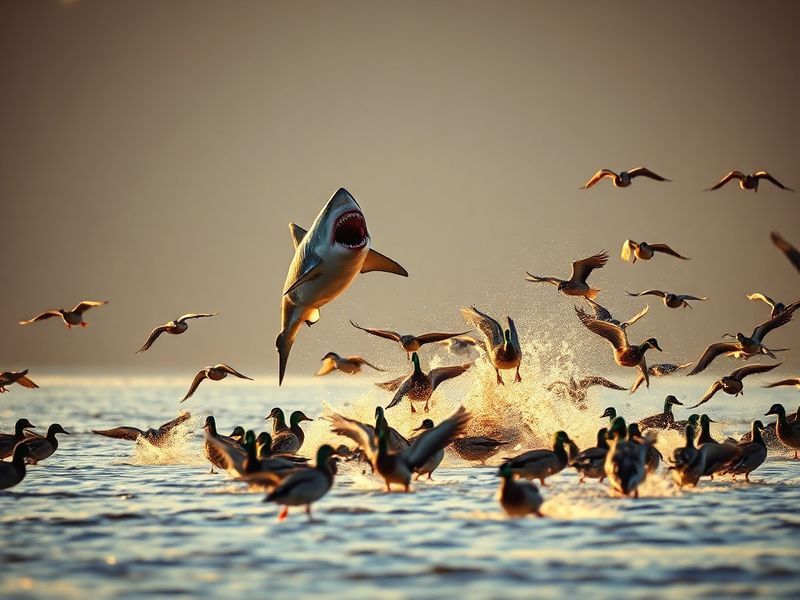
The debate gained traction after a viral video showed a mallard duck aggressively defending its territory against an approaching shark in shallow waters. The footage, though brief, sparked curiosity about how these two very different creatures interact in the wild. What emerged wasn’t just a clash of species, but a collision of ecosystems and survival strategies.
The Physical Reality: Size and Strength
When examining sharks versus ducks, the most immediate difference lies in physical attributes. Sharks are built for dominance in marine environments, with streamlined bodies, powerful jaws lined with multiple rows of teeth, and sizes that can reach over 20 feet for species like the great white. Their muscular tails and cartilage-based skeletons allow for explosive bursts of speed, essential for hunting prey.
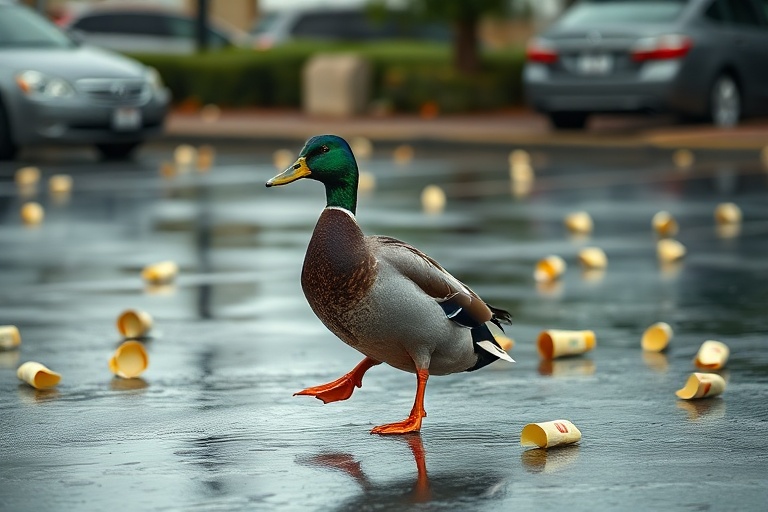
Ducks, in contrast, are lightweight birds adapted for life on water and land. The average mallard weighs between 1.5 to 3.5 pounds, with a wingspan of up to 3 feet. Their beaks are designed for dabbling in water and grazing on vegetation, not for combat. While ducks can fly at speeds up to 50 mph, they are grounded when faced with a direct aquatic confrontation.
In a hypothetical aquatic duel, the shark’s size, jaw strength, and aquatic agility give it a clear advantage. A duck would struggle to escape once seized by a shark’s jaws. However, the story changes in shallow waters or near the shoreline, where a duck’s ability to move on land and take flight could shift the balance.
Behavioral Strategies: Defense and Survival
Despite the shark’s physical superiority, ducks possess powerful survival instincts. Mallards, in particular, are known for their aggressive territorial behavior. When cornered, they can deliver strong pecks and wing strikes. In groups, ducks often mob predators, a strategy that has been observed in actual wildlife encounters.
One documented case involved a flock of ducks harassing a crocodile that entered their pond, driving it away through coordinated effort. This demonstrates that while ducks may not win in a one-on-one underwater fight, their social behavior and mobility on land give them tools to survive.
Sharks, on the other hand, rely on stealth, speed, and ambush tactics. They are not built for prolonged conflict with agile prey. A shark would likely avoid a confrontation with a group of ducks unless severely provoked or starving.
Ecosystem Overlaps: Where the Two Worlds Meet
The idea of sharks vs ducks isn’t entirely fictional. In coastal wetlands, estuaries, and shallow bays, sharks and ducks share overlapping habitats. Juvenile sharks often patrol these areas, hunting for small fish, crustaceans, and even birds that venture too close to the water’s edge.
Ducks frequently feed in these same zones, diving for aquatic plants and invertebrates. This proximity creates rare opportunities for direct interaction. Most encounters, however, end with the duck fleeing to shore or taking flight before any physical contact occurs.
Interestingly, some shark species, like the bull shark, are known to be opportunistic feeders. While they primarily target fish and marine mammals, there have been rare reports of waterfowl predation. Still, such incidents are exceptions rather than norms, and ducks remain low-risk prey.
The Internet’s Role: Virality and Humor
The modern debate over sharks vs ducks is largely a product of digital culture. Memes, reaction videos, and animated parodies have turned this into a lighthearted internet phenomenon. The contrast between a fearsome predator and a seemingly harmless bird creates comedic tension.
On platforms like YouTube and TikTok, creators have staged elaborate “battles” using CGI, animation, and even stuffed animals. These videos play on the absurdity of the matchup while highlighting real biological traits. The humor lies in the juxtaposition—sharks are symbols of danger, ducks of ordinariness.
Even science communicators have weighed in. Marine biologists have used the debate to educate audiences about shark behavior and conservation. By framing educational content within a viral trend, they’ve managed to engage younger audiences in discussions about ocean ecosystems.
How the Debate Reflects Broader Themes
Beyond the humor, the sharks vs ducks debate touches on deeper themes: the power of underdogs, the unpredictability of nature, and how humans perceive animal hierarchies. It challenges the idea that size or reputation determines outcome. A duck, small and unassuming, can outmaneuver a massive predator through intelligence, teamwork, and adaptability.
This narrative resonates in a world where human conflicts often mirror animal instincts. It invites reflection on how we categorize strength and vulnerability, both in nature and society.
Real-World Lessons from an Unlikely Pair
While the debate is playful, it underscores the importance of coexistence in shared ecosystems. Coastal conservation efforts often focus on protecting both marine predators and wetland birds. Healthy duck populations indicate clean water and thriving ecosystems, which also support sharks and other marine life.
Understanding these interactions helps scientists develop better conservation strategies. For example, protecting mangrove habitats benefits both ducks and juvenile sharks, ensuring biodiversity thrives.
This unlikely pairing reminds us that nature is full of surprises. Strength isn’t always defined by size or teeth. Sometimes, it’s about adaptability, intelligence, and knowing when to retreat.
Conclusion: Who Wins in a Real Encounter?
In a direct aquatic confrontation, the shark holds the advantage. Its size, strength, and aquatic specialization make it nearly unbeatable in open water. A duck would be hard-pressed to escape once seized.
However, in shallow waters or near shore, the duck’s ability to move on land and take flight shifts the odds. A well-coordinated flock could harass or deter a shark, especially if the predator is young or inexperienced. The outcome depends heavily on the environment and circumstances.
Ultimately, the sharks vs ducks debate isn’t about declaring a winner. It’s about celebrating the diversity of life and the unexpected ways species interact. Whether on social media or in the wild, these two creatures remind us that nature’s story is far more complex—and far more entertaining—than any simple ranking could capture.
So the next time you see a duck paddling on a pond, remember: even the smallest bird can hold its own in the grand theater of nature.
To explore more about marine predators, visit our Wildlife category. For a deeper look at bird behavior and conservation, check out our Animals section.