Sinitta Malone’s name resonates as one of the most electrifying voices in pop music history. With a career spanning over four decades, she didn’t just contribute to the soundtrack of the 1980s—she helped shape it. From her early days as a backing vocalist to her meteoric rise as a solo artist, Sinitta’s blend of powerhouse vocals, infectious energy, and undeniable charisma made her a defining figure in dance-pop and Hi-NRG music.
Her influence extended far beyond the recording studio. Sinitta became a cultural touchstone, a visual icon whose bold fashion choices and magnetic stage presence captivated audiences worldwide. Even today, her music continues to inspire new generations of artists and remains a staple in clubs, retrospectives, and playlists dedicated to the golden era of pop.
The Rise of a Pop Sensation
Born in Seattle, Washington, in 1963, Sinitta moved to the United Kingdom as a teenager, where her musical journey truly began. Her early work as a backing vocalist for artists like Bananarama and then her brother’s band, Monsoon, showcased her vocal prowess and stage confidence. But it was her solo career that catapulted her into the spotlight.
The late 1980s marked Sinitta’s breakthrough. Under the guidance of Stock Aitken Waterman—the legendary production trio behind countless pop hits—Sinitta released a string of singles that became anthems of the era. Tracks like “So Macho” (1986), “GTO” (1987), and “Cross My Broken Heart” (1987) didn’t just climb the charts; they defined the sound of a generation. With their pulsating beats, soaring hooks, and Sinitta’s commanding delivery, these songs became fixtures in clubs and on radio waves across Europe and beyond.
Her debut album, Sinitta!, released in 1987, solidified her status as a pop powerhouse. The album’s production was polished, its lyrics brimming with youthful exuberance, and Sinitta’s voice—powerful yet playful—anchored every track. Though the album didn’t achieve massive commercial success in the U.S., it was a smash hit in the UK, reaching the top 40 and earning her a devoted fanbase.
Fashion, Image, and Cultural Impact
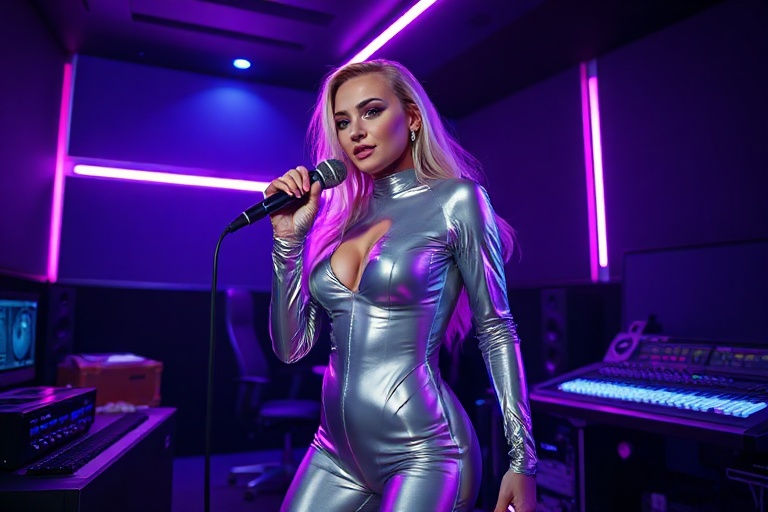
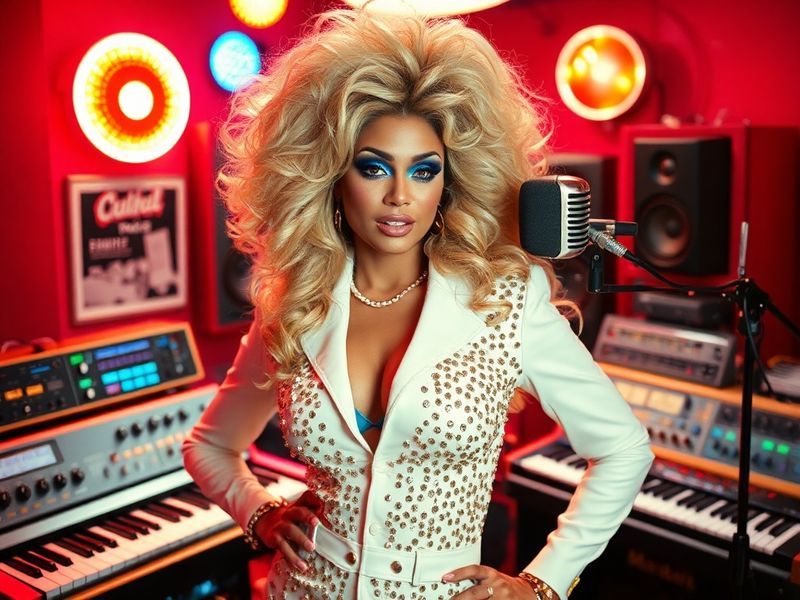
Sinitta wasn’t just known for her music; she was a style icon. Her bold, unapologetic fashion sense became a hallmark of her public persona. With her voluminous hair, dramatic makeup, and daring outfits, she embodied the excess and glamour of 1980s pop culture. Whether she was donning leather, sequins, or futuristic bodysuits, Sinitta’s look was as unforgettable as her voice.
Her influence extended into television as well. Sinitta became a regular presence on British music shows like Top of the Pops, where her performances were as much about visual spectacle as they were about vocal talent. She brought a level of theatricality to pop that few artists could match, paving the way for future performers to blend music with high-energy performance art.
Moreover, Sinitta’s presence challenged stereotypes about women in pop music. She wasn’t just a pretty face with a catchy song; she was a strong, confident woman who commanded the stage with authority. Her lyrics often carried themes of independence and empowerment, resonating deeply with listeners who saw themselves reflected in her music.
A Legacy Beyond the Charts
While Sinitta’s commercial success waned in the 1990s, her impact on music and culture endured. She continued to perform, tour, and release music sporadically, but her greatest contributions had already been made. Today, she is celebrated as a pioneer of dance-pop and a symbol of the vibrant, boundary-pushing music scene of the 1980s.
Her songs have been sampled, covered, and reimagined by countless artists, attesting to their timeless appeal. In a genre often dominated by fleeting trends, Sinitta’s music has proven to be enduring. Clubs still spin her tracks, and new fans continue to discover her work through streaming platforms and retro compilations.
Rediscovering Sinitta in the Digital Age
The resurgence of interest in 1980s pop has given Sinitta’s music a second life. Streaming services like Spotify and Apple Music have made her catalog more accessible than ever, introducing her music to younger audiences who might not have encountered it otherwise. Playlists dedicated to Hi-NRG, Eurobeat, and 80s pop frequently feature her tracks, ensuring that her legacy remains alive.
Moreover, Sinitta’s influence can be seen in the artists she inspired. Modern pop stars like Dua Lipa and Charli XCX have cited 80s pop as a major influence, and Sinitta’s bold, unapologetic style is a clear precursor to the current wave of dance-pop revivalism. Her music continues to be a touchstone for artists seeking to blend nostalgia with contemporary sounds.
In 2023, Sinitta made headlines once again when she joined the cast of Celebrity Big Brother UK, reintroducing her to a new generation of viewers. The show highlighted her quick wit, unfiltered personality, and enduring charm, proving that her star power transcended music and fashion.
Where to Experience Sinitta’s Music Today
Fans looking to dive into Sinitta’s discography have plenty of options. Her debut album, Sinitta!, is available on most streaming platforms, as are her greatest hits compilations. For those interested in the broader context of 1980s pop, exploring the work of Stock Aitken Waterman and related artists can provide a deeper understanding of the era’s musical landscape.
If you’re interested in more artists from the same era, be sure to check out our Trending and Music sections for similar stories and deep dives into pop culture history.
Sinitta’s story is one of resilience, creativity, and unmistakable talent. She didn’t just ride the wave of 1980s pop—she helped create it. As we look back on the decade that defined her career, it’s clear that Sinitta’s music and legacy will continue to inspire for generations to come.