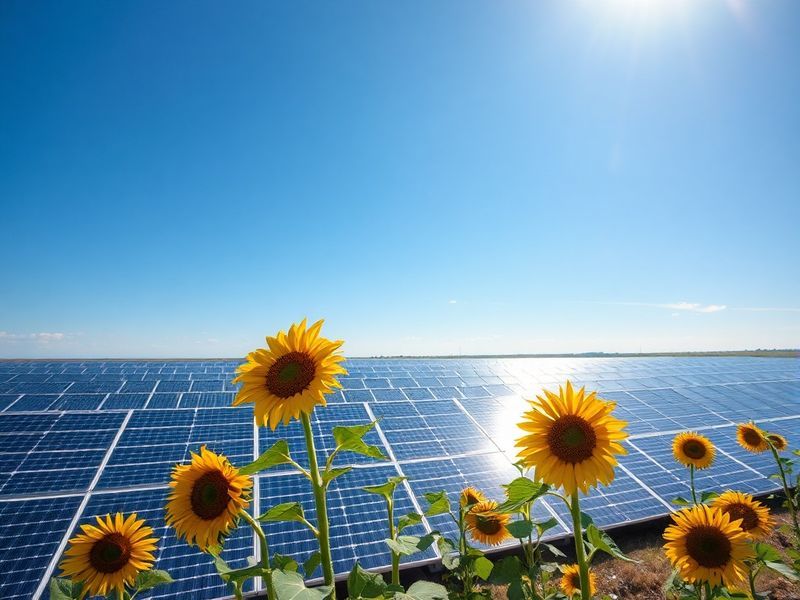
Solar Energy: Powering the Future with Clean Innovation
The global shift toward renewable energy has placed solar power at the forefront of sustainable solutions. Unlike fossil fuels, solar energy relies on capturing sunlight and converting it into electricity without producing harmful emissions. This clean energy source has evolved from a niche technology to a mainstream powerhouse, reshaping how we think about electricity generation. Governments, businesses, and homeowners are increasingly adopting solar solutions as costs decline and efficiency improves.
Solar panels, also known as photovoltaic (PV) panels, are the most visible component of this energy revolution. These panels consist of solar cells made from silicon, which generate direct current (DC) electricity when exposed to sunlight. An inverter then converts this DC power into alternating current (AC) for use in homes and businesses. The scalability of solar technology allows it to be deployed in various settings, from rooftop installations to vast solar farms covering acres of land.
The Economics of Solar: Costs and Savings
The affordability of solar energy has improved dramatically over the past decade. In 2010, the average cost of solar panels was over $7 per watt. Today, that price has dropped to around $0.50 per watt in many markets, thanks to advancements in manufacturing and increased competition. This reduction has made solar power competitive with traditional energy sources in numerous regions, even without subsidies.
For homeowners, the financial benefits extend beyond lower utility bills. Many governments offer tax credits, rebates, and net metering programs that allow solar users to sell excess electricity back to the grid. For example, the U.S. federal solar tax credit currently covers 30% of installation costs, significantly improving the return on investment. Over the lifespan of a solar system—typically 25 to 30 years—homeowners can save tens of thousands of dollars while reducing their carbon footprint.
Commercial and industrial solar projects are also gaining traction. Large corporations like Amazon and Google have invested billions in solar farms to power their operations with renewable energy. These investments not only reduce operating costs but also appeal to environmentally conscious consumers. The solar industry now employs over 250,000 people in the U.S. alone, demonstrating its role as an economic driver.
Technological Advancements Driving Solar Efficiency
Innovation in solar technology has pushed efficiency rates higher while lowering costs. Traditional silicon-based panels dominate the market, but emerging alternatives are gaining attention. Perovskite solar cells, for instance, have shown potential to surpass silicon in efficiency while being cheaper to produce. Researchers are also exploring tandem solar cells, which combine multiple layers to capture a broader spectrum of sunlight.
Another breakthrough is the development of solar skins, which allow panels to blend seamlessly with rooftops or building facades. These aesthetic solutions make solar installations more appealing in residential and urban areas where visual impact matters. Additionally, battery storage technology has improved, enabling solar users to store excess energy for use during cloudy days or nighttime hours. Companies like Tesla and LG have introduced home battery systems that integrate smoothly with solar arrays.
The efficiency of solar panels has also improved. While early models converted only 10-15% of sunlight into electricity, modern panels now achieve 20-23% efficiency. Some high-end models, like SunPower’s Maxeon series, reach efficiencies above 24%. These gains are critical for maximizing energy output in limited spaces, such as small rooftops or urban environments.
Global Adoption and Policy Support
The adoption of solar energy varies widely by region, influenced by factors like sunlight availability, government policies, and infrastructure. China leads the world in solar capacity, with over 300 gigawatts installed as of 2023. The country’s aggressive push for renewable energy has driven down global solar panel prices, making the technology more accessible worldwide. The European Union is also a major player, with countries like Germany and Spain investing heavily in solar farms and rooftop installations.
In the United States, solar adoption is concentrated in states with abundant sunshine and supportive policies. California, Texas, and Florida are among the top solar producers, but growth is accelerating in unexpected regions like the Northeast. The Inflation Reduction Act of 2022 provided a significant boost to the U.S. solar industry by extending tax credits and funding clean energy projects. Meanwhile, developing nations in Africa and Southeast Asia are turning to solar to meet growing energy demands without relying on expensive fossil fuel imports.
Governments are not the only entities driving solar adoption. International agreements, such as the Paris Climate Accord, have pushed countries to set ambitious renewable energy targets. The International Energy Agency (IEA) estimates that solar power could provide nearly 20% of the world’s electricity by 2040, up from around 4% today. This growth will require continued investment in infrastructure, grid modernization, and workforce development.
The Environmental Impact: Benefits and Challenges
The environmental benefits of solar energy are clear: it produces no greenhouse gas emissions during operation and reduces reliance on coal, oil, and natural gas. A typical residential solar system can offset about 4 tons of carbon dioxide annually—the equivalent of planting 100 trees. For large-scale solar farms, the impact is even more significant. For example, the Tengger Solar Park in China, one of the largest in the world, generates enough electricity to power over 600,000 homes while preventing millions of tons of CO2 emissions each year.
However, solar energy is not without its environmental challenges. The production of solar panels involves mining raw materials like silicon, silver, and rare earth elements, which can have ecological consequences. Additionally, the disposal of old panels poses a waste management issue. Unlike traditional electronics, solar panels contain hazardous materials that require careful recycling. Fortunately, the industry is making progress in this area. The European Union’s Waste Electrical and Electronic Equipment (WEEE) Directive mandates the recycling of solar panels, and companies like First Solar in the U.S. have established recycling programs.
Another challenge is the land use requirements for large-scale solar farms. While solar panels can be installed on rooftops or integrated into buildings, utility-scale projects often require significant land area. This has led to concerns about habitat disruption and competition with agricultural land. To mitigate these issues, developers are exploring agrivoltaics—the practice of co-locating solar panels with crops or livestock. Research has shown that solar panels can provide shade and reduce water evaporation, benefiting certain types of agriculture.
The Future of Solar: Trends and Predictions
The next decade will likely see solar energy become an even more dominant force in the global energy mix. Analysts predict that solar could account for nearly 50% of new electricity generation by 2030, driven by falling costs and technological advancements. One emerging trend is the integration of solar with other renewable energy sources, such as wind and battery storage, to create more reliable and resilient power systems. Hybrid solar-wind projects are already being deployed in regions with complementary weather patterns.
Another promising development is the rise of community solar programs. These initiatives allow multiple households or businesses to share the benefits of a single solar installation, making renewable energy accessible to renters or those with unsuitable rooftops. Community solar has gained traction in states like Minnesota and Colorado, where policies encourage shared solar projects. This model could democratize access to solar energy and accelerate its adoption in diverse communities.
Innovation in solar technology will also play a key role in shaping the future. Researchers are experimenting with solar windows, which use transparent photovoltaic cells to generate electricity while allowing light to pass through. Companies like Ubiquitous Energy are developing these products for commercial buildings, where windows offer vast surface areas for energy generation. Additionally, floating solar farms are being installed on reservoirs and lakes, addressing land constraints while reducing water evaporation.
As solar energy continues to evolve, its impact on the global energy landscape will only grow. From reducing greenhouse gas emissions to creating economic opportunities, solar power offers a pathway to a more sustainable future. For those considering a transition to solar, now is an opportune time to explore the options. With technological advancements, financial incentives, and increasing public awareness, solar energy is no longer just an alternative—it’s becoming the new standard.
For more insights into renewable energy trends and technologies, visit our Technology category. To explore how businesses are adopting sustainable practices, check out our Business section.