Juárez and Tijuana: Mexico’s Dynamic Border Cities and Their Global Impact
“`html
Juárez and Tijuana: Two Border Cities Defining Modern Mexico
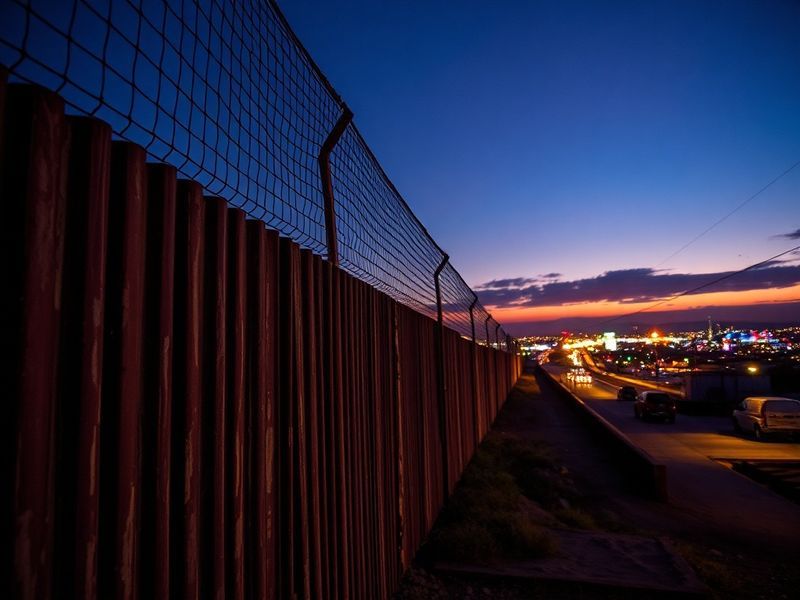
Ciudad Juárez and Tijuana occupy unique positions in Mexico’s cultural and economic landscape. Separated by nearly 1,800 miles, these cities share more than a border—they reflect the complexities of migration, trade, and identity that define modern Mexico. Both have evolved from modest settlements into bustling urban centers, shaped by their proximity to the United States and their roles in global supply chains.
Juárez, in the state of Chihuahua, sits across the Rio Grande from El Paso, Texas. Its history is deeply tied to industrialization, particularly the maquiladora sector, which transformed it into a manufacturing hub. Tijuana, in Baja California, faces San Diego, California, and has grown into a cultural and technological crossroads. These cities are not just economic gateways; they are living laboratories of social change, where tradition and modernity collide.
The Economic Engines of the Border
The economies of Juárez and Tijuana are built on trade, manufacturing, and cross-border labor. Juárez’s maquiladoras—foreign-owned factories that assemble imported components for export—have driven its economy since the 1960s. The city produces everything from automobiles to electronics, employing hundreds of thousands of workers. Tijuana’s economy, while also reliant on manufacturing, has diversified into technology, healthcare, and creative industries. The city hosts major companies like Sony and Samsung, as well as a thriving medical device sector.
Cross-border commerce is the lifeblood of both cities. Juárez’s business districts hum with activity as goods flow between Mexico and the U.S. Tijuana’s tourism industry thrives on visitors from San Diego, who cross for shopping, dining, and entertainment. Yet, this economic strength comes with challenges. Wage disparities, labor rights issues, and dependence on U.S. markets create vulnerabilities that both cities must navigate.
The COVID-19 pandemic exposed these fragilities. Juárez’s maquiladoras faced temporary shutdowns, while Tijuana’s tourism sector suffered steep declines. Recovery has been uneven, with Juárez rebounding faster due to its industrial base, while Tijuana continues to diversify its economy. Both cities are now investing in digital infrastructure and green energy to secure long-term growth.
Cultural Crossroads: Art, Music, and Identity
Beyond economics, Juárez and Tijuana are cultural powerhouses. Juárez has a rich tradition of cultural expression, from the literary works of Carlos Montemayor to the vibrant murals adorning its streets. The city’s literary scene is particularly notable, with authors like Víctor Hugo Rascon Banda exploring themes of violence and resilience. Tijuana, meanwhile, has emerged as a hub for contemporary art and music. The city’s Tijuana Innovadora festival attracts global artists, while its music scene blends rock, electronic, and traditional sounds.
Both cities are melting pots of identity. Juárez’s population includes Indigenous communities, migrants from southern Mexico, and a growing expatriate community. Tijuana’s identity is equally diverse, shaped by Indigenous roots, Asian influences (a legacy of the Bracero Program), and a constant flow of migrants heading north. This cultural fusion is evident in their cuisine. Juárez is famous for its burritos, while Tijuana is the birthplace of the Caesar salad and a hotspot for tacos de pescado. Food in both cities tells stories of migration, adaptation, and creativity.
The art scene in these cities reflects their dynamism. In Juárez, galleries like Casa del Pueblo showcase works by local artists addressing social issues. Tijuana’s cultural institutions, such as the Tijuana Cultural Center, blend art, science, and technology. Both cities are also home to street art movements that challenge stereotypes and celebrate local heritage. These cultural expressions are not just for show—they are acts of resistance and identity in cities often reduced to their border status.
Challenges and Resilience
Despite their vibrancy, Juárez and Tijuana face significant challenges. Juárez gained international notoriety in the 2000s due to a wave of violence linked to drug cartels and organized crime. While the situation has improved, the scars remain. Tijuana, too, has struggled with cartel-related violence, though its proximity to San Diego has helped stabilize the city economically. Both cities have invested in security reforms, community policing, and social programs to address these issues.
Another challenge is environmental degradation. Juárez’s rapid industrialization has led to air and water pollution, while Tijuana’s coastal location makes it vulnerable to climate change. Both cities are taking steps to mitigate these problems, from reforestation projects to renewable energy initiatives. Yet, progress is slow, hampered by limited resources and competing priorities.
Social inequality is another pressing issue. In Juárez, wealthier neighborhoods contrast sharply with informal settlements on the city’s outskirts. Tijuana’s wealth gap is similarly stark, with affluent enclaves like Playas de Tijuana juxtaposed against marginalized communities. These disparities fuel migration—both within Mexico and to the U.S.—as people seek better opportunities.
The resilience of Juárez and Tijuana lies in their people. Community leaders, artists, and entrepreneurs are driving grassroots change. In Juárez, organizations like Proyecto 18 de Marzo work to empower women and youth. In Tijuana, collectives like Espacio de Encuentro de las Culturas Originarias promote Indigenous rights and cultural preservation. These efforts highlight the power of local action in the face of systemic challenges.
Looking Ahead: The Future of Mexico’s Border Cities
The future of Juárez and Tijuana will be shaped by their ability to adapt to global trends. Both cities are well-positioned to benefit from nearshoring, as companies seek alternatives to China for manufacturing. Juárez’s industrial base makes it a prime candidate for this shift, while Tijuana’s tech sector could expand further. However, this growth must be inclusive, ensuring that benefits reach all residents.
Climate change will also play a defining role. Rising temperatures, droughts, and flooding threaten both cities’ economies and livability. Juárez and Tijuana are exploring green infrastructure and sustainable urban planning to address these risks. Their success will depend on cooperation between governments, businesses, and communities.
Culturally, both cities will continue to evolve as global hubs. Juárez’s literary and artistic traditions are gaining international recognition, while Tijuana’s music and film scenes are attracting global audiences. These cultural exports could become major economic drivers, complementing their industrial and tourism sectors.
Ultimately, Juárez and Tijuana are more than just border cities. They are symbols of Mexico’s resilience, creativity, and complexity. Their stories are still being written, and their futures will be determined by the choices they make today. One thing is certain: these cities will continue to shape Mexico’s identity on the world stage.