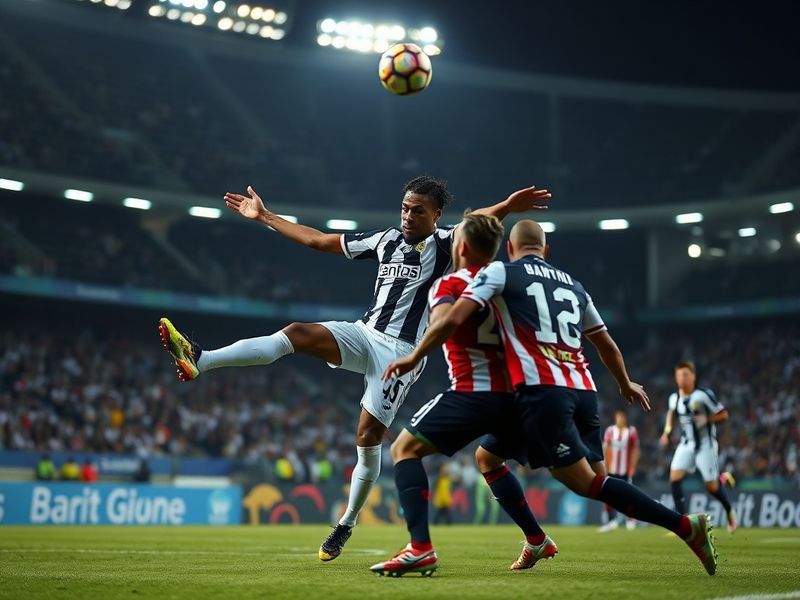
Santos vs Atlético Mineiro: Brazil’s Football Philosophy Clash
“`html
Santos vs Atlético Mineiro: A Clash of Brazilian Football Philosophies
When Santos FC and Clube Atlético Mineiro face off, Brazilian football steps into the light. The rivalry transcends regional pride, offering a contrast between two distinct footballing cultures that have shaped the sport’s evolution on a global scale. While Santos has long been associated with creativity and youth development, Atlético Mineiro has built its identity on resilience and tactical discipline. This clash is more than a match; it’s a narrative of how Brazilian football expresses itself differently across its vast landscape.
The matchup between these two clubs has grown in significance over recent years, drawing attention from European scouts, South American pundits, and fans worldwide. It reflects broader trends in football where tradition meets modernity, and where the legacy of players like Pelé and Ronaldinho intersects with the disciplined structures of contemporary managers. The global football community watches these encounters not just for the result, but for the style of play and the stories they tell about Brazilian football’s soul.
The Origins: Two Clubs with Deep Historical Roots
Founded in 1912, Santos FC emerged from the port city of Santos as a club that would soon become synonymous with flair and attacking brilliance. The club’s golden era in the 1960s, led by Pelé, cemented its reputation as the producer of the world’s most dazzling football. Santos didn’t just win matches; it redefined what was possible in the sport, inspiring generations of players who valued creativity above all else.
Atlético Mineiro, founded in 1908 in Belo Horizonte, took a different path. Known as “Galo” (the rooster), the club became the voice of Minas Gerais, a state proud of its industrial strength and working-class ethos. While Santos played with joy and spontaneity, Atlético Mineiro developed a reputation for grit and tactical organization. This duality—creativity versus structure—has become a recurring theme in Brazilian football, reflecting the country’s own cultural diversity.
- Santos FC: Founded in 1912, birthplace of Pelé, known for youth academy and attacking football.
- Atlético Mineiro: Founded in 1908, symbol of Minas Gerais’ resilience, valued for tactical discipline.
The historical context of these clubs goes beyond trophies. Santos’ identity is tied to the idea of football as art, a philosophy rooted in the Afro-Brazilian cultural expression that has influenced the game worldwide. Atlético Mineiro, meanwhile, represents the pragmatic side of Brazilian football—teams that survive through organization and collective effort, often punching above their weight. This contrast is not just tactical; it reflects deeper societal values in Brazil, where individual brilliance often coexists with community strength.
Tactical Contrasts: Creativity Meets Structure
When these two teams meet, spectators witness a collision of footballing philosophies. Santos, under coaches like Cuca or Fernando Diniz, often employs a high-pressing, possession-based system that prioritizes quick transitions and individual brilliance. The team’s style is reminiscent of the Brazilian school of football—fluid, unpredictable, and aesthetically driven. This approach has its roots in the country’s history of samba football, where rhythm and improvisation take precedence over rigid systems.
Atlético Mineiro, on the other hand, has thrived under managers like Jorge Sampaoli and Levir Culpi, who emphasize defensive solidity and structured transitions. The team’s midfield operates like a well-oiled machine, with players like Paulinho and Nacho Fernández dictating tempo and protecting the backline. This tactical approach aligns with the Europeanized vision of Brazilian football, where organization is valued as highly as creativity. It reflects a shift in Brazilian football, where clubs are increasingly adopting more pragmatic models to compete at the highest levels.
The tactical duel extends beyond formations. Santos players often rely on dribbling and one-on-one situations, trusting in their technical superiority to unlock defenses. Atlético Mineiro, in contrast, uses collective pressing and positional play to force mistakes. This contrast mirrors broader debates in world football about the future of the game—whether creativity or structure will dominate in the coming decades.
Key Tactical Elements in the Santos vs Atlético Mineiro Rivalry
- Santos: High pressing, positional rotations, reliance on individual creativity, and quick vertical transitions.
- Atlético Mineiro: Low block defending, structured midfield, emphasis on set-pieces, and disciplined counter-attacks.
This tactical clash is not unique to these two clubs. It mirrors the broader evolution of Brazilian football, where clubs like Flamengo and Palmeiras have also adopted more structured approaches to complement their traditional flair. The Santos vs Atlético Mineiro matchup is thus a microcosm of a larger transformation—one where Brazilian football is balancing its creative identity with the demands of modern competition.
Global Influence: How This Rivalry Connects Brazil to the World
The Santos vs Atlético Mineiro rivalry has gained international attention not just because of the quality of football, but because it represents the global appeal of Brazilian football. Clubs like Santos have long been talent factories, exporting players to Europe’s top leagues. The likes of Neymar, Robinho, and more recently Rodrygo and Endrick have come through Santos’ academy, carrying the club’s philosophy to the world stage. This pipeline of talent has made Santos a global brand—a symbol of Brazilian football’s ability to produce world-class players through creativity and joy.
Atlético Mineiro, though less known for exporting players, has carved its niche in South American competitions. The club’s 2021 Copa Libertadores triumph, led by players like Hulk and Diego Uribe, showcased its ability to compete with the continent’s elite. This success has elevated the club’s profile, proving that Brazilian football is not just about individual talent but also about collective resilience. The global football community now sees Atlético Mineiro as a club that can challenge the traditional powerhouses of South America.
The rivalry also reflects Brazil’s position in the global football hierarchy. As European clubs dominate financially, Brazilian clubs like Santos and Atlético Mineiro offer an alternative model—one where football is still played with passion and identity. This model resonates with fans worldwide who value authenticity over commercialism. The Santos vs Atlético Mineiro matchup is thus a reminder that football’s soul still resides in clubs that prioritize heritage and style over financial power.
The Cultural Significance: More Than Just a Match
Beyond tactics and talent, the Santos vs Atlético Mineiro rivalry carries cultural weight. In Brazil, football is more than a sport; it’s a reflection of national identity. Santos represents the coastal culture of São Paulo, where football is played with a smile and a sense of freedom. Atlético Mineiro, meanwhile, embodies the industrious spirit of Minas Gerais, where hard work and discipline are celebrated. This cultural contrast adds depth to the rivalry, making it a clash not just of teams, but of identities.
The matchup also highlights the regional diversity of Brazil. While Rio de Janeiro and São Paulo often dominate headlines, states like Minas Gerais and Bahia have their own footballing traditions. Atlético Mineiro’s success has given a voice to the interior of Brazil, challenging the dominance of the traditional footballing hubs. Santos, with its global reach, represents the cosmopolitan side of Brazilian football, where talent from across the country converges in a single club.
For fans, the rivalry is a celebration of Brazilian football’s richness. It’s a chance to see two distinct philosophies collide, each representing a different facet of the country’s culture. In a world where football is increasingly homogenized, the Santos vs Atlético Mineiro matchup is a reminder of the beauty of diversity in the sport.
Conclusion: A Rivalry That Defines Brazilian Football’s Future
The Santos vs Atlético Mineiro rivalry is more than a fixture on the Brazilian football calendar. It is a narrative of two philosophies, two cultures, and two visions of the game. As Brazilian football continues to evolve, this matchup will remain a touchstone for understanding the sport’s direction. Will creativity and individual brilliance continue to dominate, or will structured, tactical football prevail? The answer may lie in the outcomes of these encounters.
For fans around the world, the rivalry offers a glimpse into the soul of Brazilian football. It’s a reminder that the game is not just about results, but about identity, culture, and passion. As long as clubs like Santos and Atlético Mineiro continue to represent their unique philosophies, Brazilian football will remain a vibrant and essential part of the global game.
For those looking to explore more about Brazilian football’s rich history and cultural significance, dive into our Sports category for deeper analysis and stories that connect the game to broader societal themes.