Published on Dave’s Locker
The Stage Was Set for a High-Stakes Showdown
The Vila Belmiro stadium buzzed with anticipation as Santos hosted Atlético Mineiro in a match that carried significant implications for both teams’ Brazilian Série A campaigns. While neither side arrived in top form, the clash promised fireworks given Atlético’s recent resurgence and Santos’ desperate need for points to avoid relegation concerns.
Atlético Mineiro, under the guidance of manager Antônio Oba, has stabilized its campaign after a rocky start to the season. The team’s defensive organization has improved markedly, though their attack still relies heavily on the creativity of attacking midfielder Paulinho. Santos, meanwhile, entered the match in desperate need of a morale-boosting result, having won only two of their last ten league games.
The tactical setup favored Atlético’s disciplined approach. Oba deployed a 4-2-3-1 formation, prioritizing compactness in midfield and quick transitions on the counter. Santos, under new interim manager Marcelo Fernandes, opted for a more aggressive 4-3-3, aiming to press high and exploit Atlético’s occasional defensive vulnerabilities.
Key Moments That Defined the Match
The game unfolded in a pattern familiar to recent encounters between the two sides: Atlético absorbing early pressure before striking on the break. Santos dominated possession in the opening 25 minutes, with their wingers stretching play and midfielders probing for gaps. However, Atlético’s deep block frustrated Santos’ attempts to break through.
Then, in the 34th minute, Atlético struck. A swift counterattack began when Atlético’s left-back, Dodô, intercepted a loose pass in midfield. He played a first-time cross to the far post where Hulk— Atlético’s talismanic forward— rose unmarked to head home. The goal exposed Santos’ vulnerability in transition, a recurring issue this season.
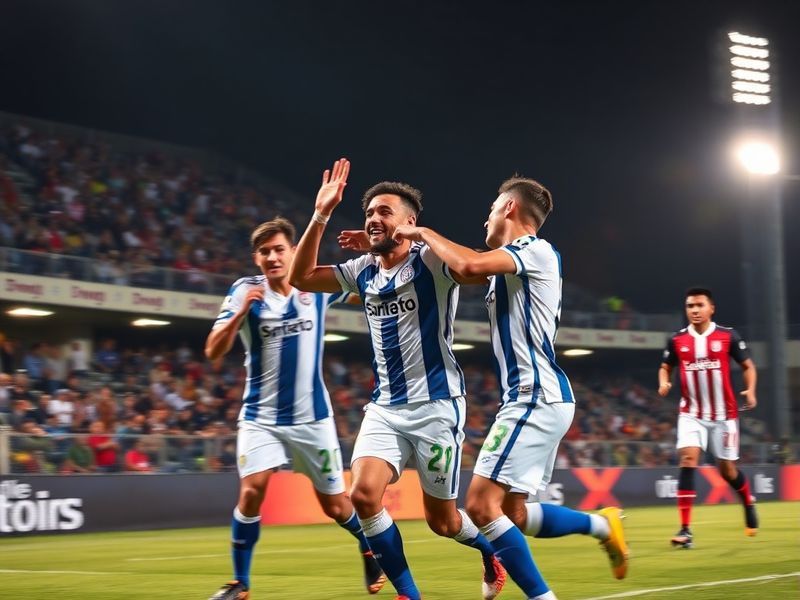
Santos responded immediately. Their equalizer came in the 42nd minute from a set-piece. Right-back Luiz Felipe rose highest to power a header past Atlético goalkeeper Everson after a corner from the left. The late strike gave the home side a lifeline heading into halftime.
The second half mirrored the first. Atlético looked content to absorb pressure while Santos pushed for a winner. Both teams created chances, but neither goalkeeper made a critical error. Atlético nearly restored their lead in the 67th minute when Paulinho’s curling effort rattled the crossbar. Santos, in turn, saw a header from center-back Caio Monteiro cleared off the line in the 81st minute.
As the clock ticked past the 90th minute, fatigue set in. Both teams had exhausted their tactical ideas, and the match drifted toward a predictable stalemate. The final whistle confirmed a 1-1 draw, a result that felt fair but left both sides wanting more.
Critical Takeaways from the Match
- Atlético’s Defensive Resilience: Despite Santos’ early dominance, Atlético maintained their shape and punished mistakes. Their compact midfield limited Santos’ creative outlets.
- Santos’ Set-Piece Vulnerability: The equalizing goal came from a set-piece, but Atlético also threatened from dead-ball situations, highlighting Santos’ ongoing issues in defending crosses.
- Midfield Control: Atlético’s double pivot of Jair and Alan Franco stifled Santos’ creativity. The home side’s midfield trio struggled to impose their rhythm.
- Fatigue and Fitness: Both teams showed signs of physical strain, particularly in the final 20 minutes. Squad depth may become a concern as the season intensifies.
Broader Implications for the Brazilian Série A
The draw leaves Atlético Mineiro in the upper mid-table, still mathematically in contention for a top-four finish but with significant ground to make up on leaders Palmeiras and Flamengo. For Oba, the result is another step toward solidifying his project, though inconsistency remains a hurdle. Atlético’s next challenge will be against a direct rival, Internacional, in a match that could define their push for continental qualification.
For Santos, the point is a small reprieve in a season marred by inconsistency. The club’s relegation battle grows more intense with each passing week. Marcelo Fernandes, despite his tactical efforts, has yet to find a formula that consistently yields wins. Santos’ next fixture—a home match against bottom-placed Coritiba—will be a must-win scenario if they are to escape the drop zone.
This match also underscored broader trends in the Brazilian league. Teams increasingly prioritize defensive structure over attacking flair, a shift influenced by financial constraints and the physical demands of a congested calendar. Atlético’s pragmatic approach reflects this reality, while Santos’ struggles highlight the challenges of balancing ambition with pragmatism in a competitive league.
What Comes Next?
The immediate aftermath of the match saw mixed reactions from fans and pundits. Atlético’s supporters accepted the draw as a step forward, while Santos’ fans expressed frustration at another missed opportunity. For neutrals, the match was a reminder of the tactical nuance in modern Brazilian football, where individual brilliance is increasingly complemented by structured systems.
As the season progresses, both teams will need to address specific weaknesses. Atlético must find more consistency in attack, particularly in converting midfield dominance into goals. Santos, meanwhile, requires a clearer identity—one that blends their traditional attacking style with the defensive solidity needed to survive in the top flight.
Final Thoughts: A Draw That Tells a Larger Story
The Santos vs Atlético Mineiro match was more than just a mid-table clash—it was a microcosm of the current state of Brazilian football. Tactical discipline is now as valued as individual talent, and even historic clubs like Santos must adapt or face the consequences. Atlético’s resilience suggests they are on the right path, while Santos’ struggles reflect the growing pains of a team rebuilding under financial constraints.
For fans, the match offered moments of excitement, frustration, and relief. For analysts, it provided a case study in modern Brazilian tactical evolution. And for the players, it was another chapter in a season that will ultimately define their careers.
As the league table continues to shift, one thing is clear: the battle for supremacy in the Brasileirão is not just about points. It’s about identity, resilience, and the ability to adapt in a league that demands both.
“Brazilian football has always been about creativity and flair, but today, it’s also about systems and structure. The teams that find the balance will rise to the top.”
— Tactical Analyst at Dave’s Locker
For more insights into tactical trends in Brazilian football, visit our Analysis section. To stay updated on relegation battles and rising talents, check out our Sports coverage.