When David Guetta took the stage at Coachella this year, the desert air buzzed with anticipation. For three decades, Guetta has shaped electronic dance music (EDM), and his presence at the festival signaled more than just a performance—it marked a generational milestone. The French DJ, producer, and global ambassador for dance music proved that Coachella remains a stage where legends and new voices collide.
His set wasn’t just a nostalgia trip. Guetta seamlessly blended timeless anthems with fresh collaborations, proving his relevance in an era dominated by younger artists. The crowd, spanning multiple generations, sang along to every word, a testament to his enduring appeal. But what does Guetta’s Coachella appearance mean for the festival’s evolving identity—and for the future of EDM itself?
Guetta’s Coachella Set: A Masterclass in Legacy and Innovation
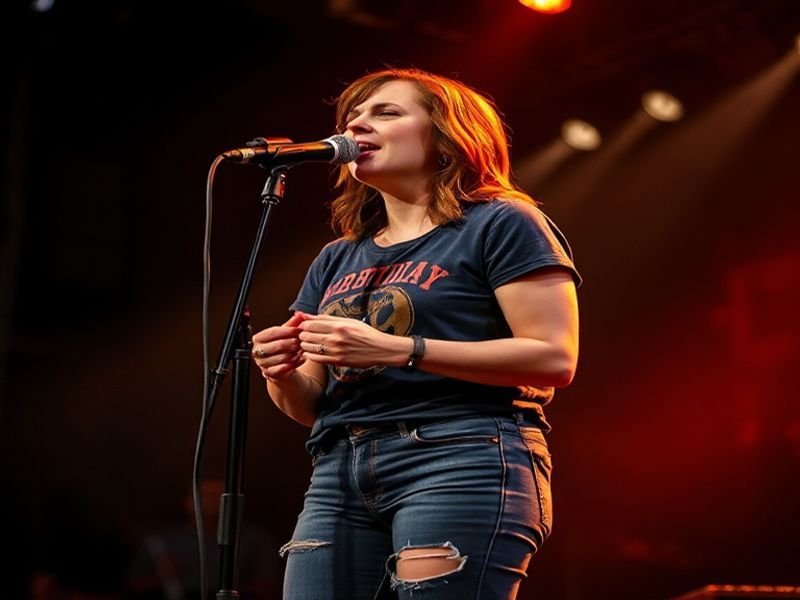
Guetta’s performance was a carefully curated journey through his discography, from early underground hits to modern chart-toppers. The set opened with a stripped-down version of “When Love Takes Over,” featuring a live vocal performance that set the tone. As the sun dipped below the mountains, the stage erupted with lasers and confetti, a visual spectacle that underscored Coachella’s reputation for immersive experiences.
Key moments included:
- A surprise appearance by Bebe Rexha for a live rendition of “I’m Good (Blue),” the 2022 smash hit that dominated global charts.
- A mashup of “Titanium” and “Where Them Girls At,” blending his signature vocal chops with high-energy drops.
- A tribute to late-night radio DJs, with Guetta spinning through a selection of classic remixes that paid homage to his roots in Ibiza’s club scene.
The setlist wasn’t just a greatest-hits parade. Guetta incorporated new material, teasing unreleased tracks that left fans buzzing. His ability to balance nostalgia with innovation is a skill few artists master, and his Coachella performance highlighted why he remains a pivotal figure in music.
The Broader Implications: Coachella’s Dance Music Evolution
Guetta’s appearance at Coachella isn’t an isolated event—it reflects a broader shift in how major festivals embrace dance music. Once dominated by rock and hip-hop, Coachella has increasingly prioritized electronic acts, reflecting the genre’s growing cultural footprint. In 2023, dance music accounted for nearly 30% of Coachella’s lineup, a stark contrast to its early years.
This evolution speaks to dance music’s mainstream acceptance. Guetta’s presence, alongside artists like Swedish House Mafia and Peggy Gou, signals that festivals are no longer just platforms for rock bands or rappers. They’re becoming essential stages for DJs who shape global pop culture.
For Coachella, the embrace of dance music is also a strategic move. The festival’s organizers have recognized that electronic acts draw diverse, younger audiences—critical for maintaining relevance in an increasingly fragmented entertainment landscape. Guetta’s set, with its multi-generational appeal, exemplified this dynamic perfectly.
Why Guetta’s Return Matters for EDM’s Future
Guetta’s career has mirrored the rise of EDM itself. Starting as a DJ in Parisian clubs, he rose to prominence in the late 1990s and early 2000s, a time when electronic music was still a niche interest in the West. By the 2010s, he had become a household name, collaborating with pop stars like Rihanna, Sia, and Justin Bieber. His Coachella return is more than a victory lap—it’s a reminder of how far the genre has come.
Yet, his presence also raises questions about the future of EDM. Can artists like Guetta continue to innovate while staying true to their roots? Or is there a risk that dance music will become too commercialized, losing the raw energy that defined its early days?
Guetta’s set offered a partial answer. By blending classic tracks with new material, he demonstrated that evolution doesn’t require sacrificing authenticity. His ability to connect with a crowd that spans decades suggests that EDM’s soul remains intact—even as it grows into a global phenomenon.
The Takeaway: A Festival Moment That Resonated Beyond the Stage
David Guetta’s Coachella performance was more than just a concert. It was a cultural touchstone—a moment where past, present, and future of dance music collided. For the thousands in attendance and the millions watching online, it was a reminder of the power of music to unite generations.
As Coachella continues to evolve, Guetta’s set serves as a blueprint for how festivals can honor tradition while embracing change. For EDM, his return is a validation of its enduring appeal. And for fans, it’s proof that some legends never fade—they just get louder.
In the end, Guetta’s Coachella moment wasn’t just about the music. It was about the community that dance music creates, the shared joy of a beat dropping, and the knowledge that, for now, the party’s still going strong.
For more on the evolution of dance music and festival culture, explore our Music and Entertainment sections.