Coachella Weather Guide: How to Survive Desert Heat & Wind
“`html
Coachella Weather: What Festival-Goers Need to Know
Every April, the Coachella Valley Music and Arts Festival transforms the Empire Polo Club in Indio, California, into a temporary metropolis of music, art, and culture. While the performances and installations draw global attention, the weather at Coachella remains one of the most unpredictable—and unavoidable—aspects of the experience. Unlike indoor festivals, Coachella’s open-air setting means attendees must prepare for extreme heat, sudden wind, and the occasional rare rain shower.
Understanding Coachella’s climate patterns can make the difference between a memorable weekend and a miserable one. This guide breaks down what to expect, how to prepare, and why the desert’s mood swings are part of the festival’s allure.
The Desert’s Temperament: Expect Heat, Embrace the Sun
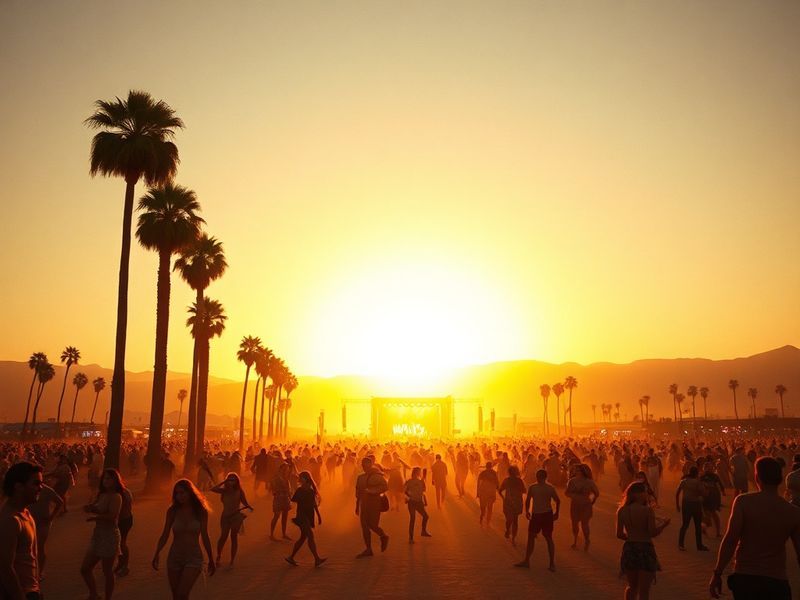
Coachella takes place during one of the hottest months in the California desert. Daytime temperatures routinely climb into the high 90s or even low 100s°F (32–38°C), with peak heat often arriving between 1 PM and 4 PM. The sun is relentless, and shade is a luxury. Even at night, temperatures rarely drop below the mid-70s°F (around 24°C), making evening performances feel like a heat wave in slow motion.
This isn’t just uncomfortable—it can be dangerous. Heat exhaustion and dehydration are real risks. Festival organizers have adapted over the years, expanding shaded areas, increasing water stations, and offering cooling towels and misters. Still, personal preparation remains essential.
Consider this timeline of typical Coachella weather:
- Morning (9 AM – 12 PM): Pleasant start with temps in the 70s°F (21–26°C). Ideal for early sets and exploring art installations.
- Afternoon (1 PM – 5 PM): Peak heat, often exceeding 100°F (38°C). Stay hydrated, seek shade, and avoid prolonged outdoor exposure.
- Evening (6 PM – 10 PM): Gradual cooling begins. Temperatures drop into the 80s°F (27–32°C), making outdoor sets more enjoyable.
- Late Night (11 PM – 3 AM): Often the most comfortable time, with temps in the 70s°F (21–26°C), perfect for headliners.
Longtime attendees know the rhythm: embrace the morning, survive the afternoon, and savor the night. The desert’s heat is not just a challenge—it’s part of the festival’s identity.
Wind and Dust: When the Desert Fights Back
While heat dominates the conversation, Coachella’s weather isn’t one-dimensional. Wind is a frequent—and often underestimated—player. The Coachella Valley sits in a wind corridor between the San Jacinto and Little San Bernardino mountains, meaning gusts can pick up suddenly, especially in the afternoons.
These winds can reach 20–30 mph, creating a gritty, sandblasting effect. Loose clothing becomes a liability. Hats fly off. Sunglasses become projectiles. And the dust? It gets everywhere—in your shoes, your food, your hair, and your lungs. For those with respiratory sensitivities, windy days can turn a joyful experience into a struggle.
But the wind has its charms, too. It cools the skin, carries the sounds of distant stages, and sometimes even makes the desert feel alive. Festival staff distribute free bandanas at entrances, a small but thoughtful gesture. Still, packing a lightweight scarf or buff can be a lifesaver.
Wind isn’t the only surprise. While rain is rare during Coachella weekend, it’s not unheard of. In 2019, a brief but intense thunderstorm forced the festival to pause for two hours. The grounds turned to mud, and attendees waded through ankle-deep water. The show went on, but the experience was forever altered. Coachella’s infrastructure has improved since then, with better drainage and covered walkways, but the desert doesn’t always cooperate.
Survival Strategies: How to Beat the Heat (and Wind)
Preparation is the key to thriving in Coachella’s climate. Here’s a practical checklist to help festival-goers stay safe and comfortable:
- Hydration is non-negotiable. Bring a refillable water bottle—Coachella provides free water stations, but lines can be long. Consider a hydration backpack for hands-free drinking.
- Dress for the desert. Lightweight, breathable clothing in light colors is ideal. Avoid cotton if possible—it traps sweat. UPF-rated fabrics protect against sunburn. Don’t forget a wide-brimmed hat and polarized sunglasses.
- Footwear matters. The grounds are a mix of grass, dirt, and concrete. Opt for broken-in sneakers or sturdy sandals with arch support. Avoid flip-flops—they won’t survive the dust and heat.
- Protect your skin. Sunscreen is essential. Reapply every two hours, even if it’s cloudy. Blistering sunburns are common and ruin the experience. Consider a cooling towel or portable fan for relief.
- Plan your route. Use the Coachella app to map out stages and shaded areas. Prioritize indoor or covered venues during peak heat. The Sahara and Yuma tents offer respite from the sun.
- Pack smart. A small backpack with essentials: sunscreen, lip balm, snacks, a portable charger, and a compact umbrella for shade. Leave valuables at camp or in secure lockers.
Veteran attendees often share tips like freezing a bandana overnight and wearing it around the neck, or bringing a small spray bottle to mist the face. Every little bit helps when the mercury rises.
It’s also worth noting that Coachella’s layout plays a role in weather exposure. The outdoor stages—Sahara, Yuma, Mojave, and Gobi—are the most exposed. The smaller, enclosed venues like the DoLab or the art installations offer reprieve. Smart scheduling—prioritizing indoor sets during the hottest hours—can make a world of difference.
Beyond the Basics: The Psychology of Coachella Weather
Coachella’s weather isn’t just a logistical challenge—it’s part of the festival’s lore. The heat fosters camaraderie. Strangers share water bottles, offer shade under umbrellas, and bond over shared suffering. The wind becomes a character in the story, whipping through the polo fields as Beyoncé performs “Formation.” The rare rain shower turns the desert into a temporary swamp, but the music plays on.
This shared experience creates a unique kind of resilience. Unlike festivals in cooler climates, where attendees might prioritize fashion over function, Coachella demands practicality. And yet, the most iconic photos from the festival often feature sun-bleached crowds, golden-hour glow, and the stark beauty of the desert landscape.
There’s a certain pride in enduring the heat. It’s a rite of passage. Those who return year after year often cite the weather as part of what makes Coachella special—not in spite of it, but because of it.
Festival organizers have taken note. In recent years, Coachella has expanded its shaded areas, added more misters, and even introduced “cool zones” with air conditioning. These changes reflect a growing awareness of attendee comfort, but they also risk diluting the festival’s raw, unfiltered desert spirit. After all, part of Coachella’s mystique lies in its harsh beauty.
Ultimately, Coachella weather is a mirror. It reflects the festival’s dual nature: a carefully curated escape that still demands respect for the environment it inhabits. The heat, the wind, the rare rain—these aren’t obstacles to overcome, but elements to embrace. They shape the experience, the memories, and the stories that follow.
So go prepared. Stay hydrated. Seek shade when you can. Dance under the stars. And when the sun beats down, remember: this is the desert. And the desert always wins.
For more on festival survival tips, check out our Music section. Curious about the history of Coachella’s iconic performances? Visit our Entertainment archives.