How Marine Traffic Shapes Global Trade and Culture
“`html
The Global Pulse of Marine Traffic: How Ships Shape Our World
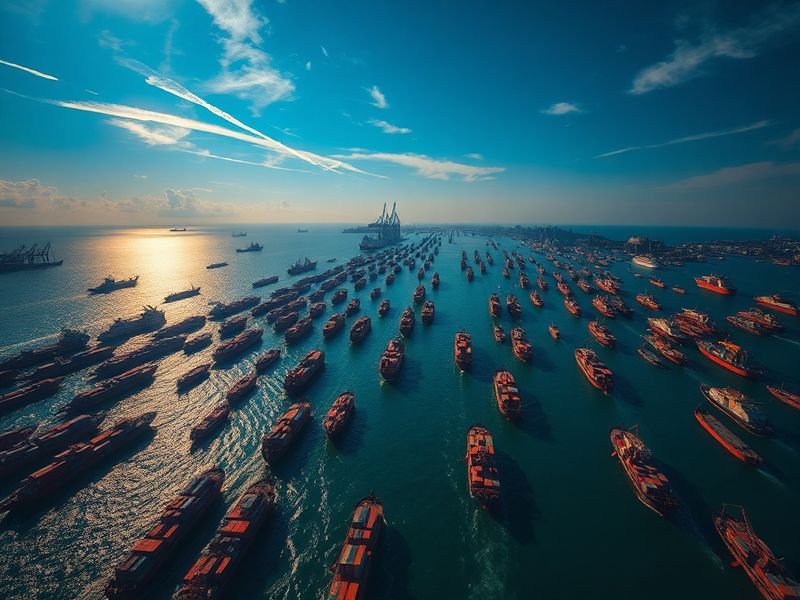
Every day, the world’s oceans become a vast highway for over 90,000 commercial vessels. These ships—from massive container carriers to nimble fishing boats—form the backbone of global trade. More than 80% of the world’s goods travel by sea, making marine traffic a silent but powerful force in shaping economies, cultures, and even geopolitics. The movement of these vessels is not just a logistical marvel; it reflects the interconnectedness of modern society, where a delay in Shanghai can ripple through supply chains in Rotterdam or Los Angeles.
The rhythm of marine traffic is dictated by invisible currents of demand, trade agreements, and seasonal shifts. Winter storms in the North Atlantic, for example, reroute vessels to safer passages, while monsoon seasons in Southeast Asia dictate when fishing fleets set sail. These patterns are closely monitored by platforms like MarineTraffic, which provide real-time data on ship positions, routes, and destinations. Such transparency has transformed how we understand the ocean’s role in global connectivity.
The Lifelines of Global Trade
Container ships dominate marine traffic today, carrying everything from electronics to raw materials. The largest of these vessels, known as “ULCVs” (Ultra Large Container Vessels), can stretch over 400 meters—nearly four football fields—and carry more than 20,000 TEUs (twenty-foot equivalent units). Their efficiency has made international trade viable for countless products, but it has also concentrated economic power in the hands of a few shipping conglomerates. Companies like Maersk, MSC, and COSCO control vast portions of the market, influencing everything from fuel prices to port infrastructure.
The Suez and Panama Canals serve as critical chokepoints in this global network. When traffic slows in these narrow corridors, the impact is felt worldwide. In 2021, the blockage of the Suez Canal by the Ever Given container ship cost the global economy an estimated $9.6 billion per day. Such incidents highlight how vulnerable marine traffic is to both human error and environmental forces. Meanwhile, the Arctic’s melting ice is gradually opening new routes, like the Northern Sea Route, which could redefine global trade patterns in the coming decades.
- Top 5 Busiest Shipping Routes (by volume):
- South China Sea to East Asia
- Mediterranean to North Atlantic
- North Sea to Baltic Sea
- Caribbean to Gulf of Mexico
- Arabian Sea to Persian Gulf
Cultural Crossroads on the High Seas
Marine traffic is more than an economic engine; it is a cultural mosaic. Port cities like Singapore, Rotterdam, and Shanghai have thrived for centuries as melting pots of language, cuisine, and tradition. The crews aboard these ships—often from the Philippines, Ukraine, or India—bring diverse backgrounds to the global stage. Their presence in distant ports fosters exchanges that transcend borders. For instance, the port of Rotterdam is home to a vibrant Indonesian community, a legacy of the Netherlands’ colonial past and its maritime trade routes.
Even the names of ships carry cultural significance. Some vessels honor local traditions, while others reflect the ambitions of their owners. The Costa Concordia, a cruise ship that famously ran aground in 2012, became a cautionary tale in Italy, symbolizing both the allure and dangers of maritime tourism. Meanwhile, in Japan, the Kuroshio currents inspire names for fishing boats, tying modern industry to ancient maritime heritage.
Literature and film have long romanticized life at sea, from Herman Melville’s Moby-Dick to the 1990s TV series Baywatch. Yet the reality is far grittier. Many sailors endure long stretches away from home, facing harsh conditions and limited rights. The International Labour Organization estimates that over 1.6 million seafarers work globally, their labor often invisible to consumers who benefit from their efforts.
Technology and the Future of Marine Traffic
Advancements in technology are revolutionizing how marine traffic is managed. Automatic Identification Systems (AIS) now track ships in real time, providing data on speed, cargo, and even potential hazards. Artificial intelligence is being deployed to predict collisions, optimize routes, and reduce fuel consumption. Startups are experimenting with autonomous ships, which could one day reduce human error and operational costs. Norway’s Yara Birkeland, the world’s first fully electric and autonomous container ship, launched in 2022, represents a glimpse into this future.
Yet technology also introduces new challenges. Cybersecurity threats loom large, as hackers could target shipping networks to disrupt trade. Environmental concerns are another pressing issue. The shipping industry accounts for nearly 3% of global carbon emissions, prompting calls for stricter regulations. The International Maritime Organization (IMO) has set ambitious targets to cut emissions by 50% by 2050, but achieving this will require innovation in alternative fuels and ship design.
For hobbyists and enthusiasts, tracking marine traffic has become a niche passion. Websites like VesselFinder and apps like ShipFinder allow users to monitor ships in real time, often connecting with communities that share sightings and stories. This democratization of data has made marine traffic more accessible, turning casual observers into advocates for safer and more sustainable seas.
Conclusion: The Ocean’s Unseen Pulse
Marine traffic is the invisible thread weaving together the fabric of modern life. It fuels economies, shapes cultures, and pushes the boundaries of technology. Yet it remains one of the most underappreciated aspects of globalization. As climate change alters trade routes and automation redefines labor, the future of marine traffic will be shaped by both innovation and necessity. For those who look closely, the ocean’s pulse is not just a spectacle of movement—it is a testament to humanity’s enduring connection to the sea.
Whether you’re a trader, a traveler, or simply someone who enjoys watching ships pass by, the world’s marine traffic offers a reminder: our planet is smaller than we think, and its rhythms are as vast as the ocean itself.