The four men’s golf majors—the Masters Tournament, the U.S. Open, The Open Championship (often called the British Open), and the PGA Championship—form the pinnacle of professional golf. These tournaments are more than just competitions; they are cultural touchstones that have shaped the sport’s history, global reach, and identity. Each major carries its own legacy, traditions, and challenges, reflecting the diversity of golf’s traditions across continents.
From the hallowed fairways of Augusta National to the windswept links of St. Andrews, golf’s majors are steeped in history and prestige. They attract the best players in the world and captivate millions of fans, both on-site and through global broadcasts. But these tournaments are also windows into the broader evolution of golf as a global sport—one that has expanded far beyond its British and American origins.
The Masters Tournament: The Green Jacket and Augusta’s Sacred Ground
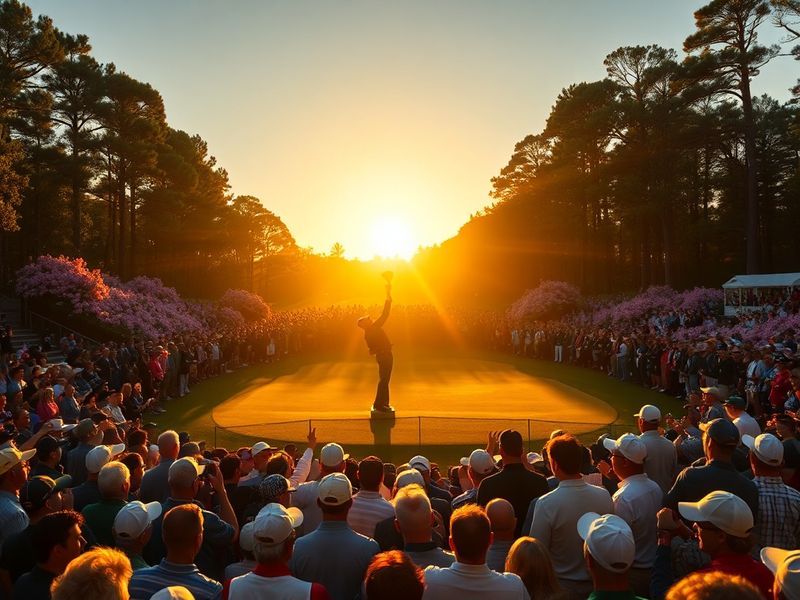
Founded in 1934 by Bobby Jones and Clifford Roberts, The Masters is the youngest of the four majors but arguably the most iconic. Held annually at Augusta National Golf Club in Georgia, USA, the tournament is known for its pristine course, immaculate azaleas, and the iconic green jacket awarded to the champion. The Masters is unique among majors for several reasons: it is the only one held at the same course every year, and it maintains a private club atmosphere despite its global audience.
The tournament’s traditions—such as the Champions Dinner, the Par-3 Contest, and the ceremonial opening tee shot—reinforce its status as a golfing institution. Augusta National’s exclusivity and meticulous presentation reflect the values of tradition and excellence that the tournament upholds. Over the decades, The Masters has become a symbol of golf’s blend of prestige and accessibility, drawing players and spectators from all corners of the world.
Yet, The Masters is not without its controversies. Augusta National’s history of racial exclusion, which persisted until 1990 when it admitted its first Black member, remains a stain on its legacy. The club has since worked to modernize its image, including admitting its first female members in 2012. These changes highlight the tension between tradition and progress that all major sporting events face in the 21st century.
The Open Championship: Golf’s Oldest Major and Its Links Legacy
First played in 1860 at Prestwick Golf Club in Scotland, The Open Championship is the oldest of golf’s majors and the only one played outside the United States. Known as the “British Open” colloquially, the tournament rotates among some of the world’s most historic links courses, from St. Andrews and Carnoustie in Scotland to Royal Portrush in Northern Ireland and Royal St. George’s in England. These courses, with their undulating fairways, deep bunkers, and unpredictable weather, test players in ways no other major does.
The Open’s emphasis on links golf—where the ball rolls differently than on parkland or desert courses—sets it apart. Players must adapt to firm fairways, thick rough, and coastal winds that can shift dramatically. This challenge has produced some of golf’s most legendary moments, from Tom Watson’s heroic victories in the 1970s and 1980s to Jordan Spieth’s dramatic collapse at Carnoustie in 2018.
Culturally, The Open Championship embodies the soul of golf. It is deeply rooted in the sport’s origins and carries a sense of nostalgia that resonates with purists. The Claret Jug, the tournament’s trophy, is one of the most recognizable prizes in sports, and its presentation is steeped in ceremony. Yet, The Open has also faced challenges in maintaining its relevance in an era dominated by American audiences and television contracts. The R&A, which organizes the tournament, has worked to modernize its presentation while preserving its heritage.
The U.S. Open: A Test of Resilience and Precision
Organized by the United States Golf Association (USGA), the U.S. Open is golf’s most grueling major. Known for its brutal setups—narrow fairways, punishing rough, and fast greens—the tournament demands precision and mental toughness from its competitors. Unlike the other majors, which rotate courses, the U.S. Open is held at a different venue each year, often on courses that have been specifically prepared to challenge the world’s best players.
Historically, the U.S. Open has been a stage for underdogs and legends alike. From Jack Nicklaus’ record 18 major victories (including four U.S. Opens) to Brooks Koepka’s dominance in the 2010s, the tournament has seen its share of triumphs. It has also been a proving ground for up-and-coming stars, such as Jordan Spieth in 2011 and Gary Woodland in 2019. The U.S. Open’s reputation for difficulty ensures that it remains a true test of golfing skill.
Culturally, the U.S. Open reflects the diversity and ambition of American golf. It has been held at iconic venues like Oakmont, Pebble Beach, and Winged Foot, each with its own character and challenges. The tournament’s emphasis on fairness and its strict adherence to the rules of golf align with the USGA’s mission to preserve the integrity of the game. However, the U.S. Open has also faced criticism for its relentless difficulty, which some argue alienates casual fans.
The PGA Championship: The Club Professionals’ Major and Its Modern Identity
The PGA Championship, organized by the Professional Golfers’ Association of America, has undergone significant changes in its history. Originally a match-play event for club professionals, it transitioned to stroke play in 1958 and opened its doors to all professional golfers in 1962. Today, it is the final major of the season, often serving as a launching pad for players chasing the FedEx Cup or a spot in the Ryder Cup.
One of the PGA Championship’s defining features is its rotating venues, which showcase the diversity of golf courses across the United States. Venues like Whistling Straits in Wisconsin, Bellerive Country Club in Missouri, and Valhalla Golf Club in Kentucky have hosted the tournament, each offering a unique challenge. The PGA Championship has also been a stage for drama, from Shaun Micheel’s improbable victory at Oak Hill in 2003 to Phil Mickelson’s emotional win at Kiawah Island in 2021.
In recent years, the PGA Championship has embraced a more inclusive identity. The PGA of America, which organizes the tournament, has made strides in diversifying its leadership and expanding its global reach. The 2022 PGA Championship at Southern Hills Country Club in Tulsa, Oklahoma, marked a significant moment when it became the first major to be won by a player of Asian descent, Collin Morikawa. This milestone reflects the growing globalization of golf and the sport’s evolving fan base.
The Globalization of Golf’s Majors
While the four men’s majors have traditionally been dominated by American and European players, the sport has become increasingly global in recent decades. Players from Asia, South Africa, Australia, and Latin America now regularly compete at the highest level, and their successes have reshaped the competitive landscape. The rise of players like Hideki Matsuyama (the first Japanese male major champion), Jon Rahm (Spain), and Cameron Smith (Australia) reflects golf’s expanding reach.
This globalization has also influenced the majors themselves. Augusta National has added Asian and European courses to its rotation for The Masters’ amateur qualifying events. The Open Championship has expanded its international footprint, with recent tournaments held in Northern Ireland and Saudi Arabia. The PGA Championship has also ventured beyond the United States, with the 2023 edition set to be held at Oak Hill Country Club in New York.
However, the globalization of golf’s majors is not without controversy. The Saudi-funded LIV Golf series has disrupted the traditional major circuit, luring top players away with lucrative contracts. This has sparked debates about the future of golf’s major championships and their role in maintaining the sport’s integrity. The PGA Tour, DP World Tour, and other golf organizations are navigating these challenges as they seek to preserve the prestige of the majors in an increasingly competitive sporting landscape.
The Future of Golf’s Majors
As golf continues to evolve, so too will its majors. The tournaments face pressure to modernize their presentation, expand their global audiences, and address issues of inclusivity and sustainability. The use of technology, such as shot-tracking and augmented reality, is becoming more prevalent in broadcasting and fan engagement. Meanwhile, environmental concerns—such as water usage and course maintenance—are prompting majors to adopt more sustainable practices.
One thing is certain: the four men’s majors will remain the cornerstone of professional golf. They are the ultimate proving grounds for players, the ultimate dream for fans, and the ultimate challenge for organizers. Whether it’s the green jacket of The Masters, the Claret Jug of The Open, the U.S. Open trophy, or the Wanamaker Trophy of the PGA Championship, these tournaments represent the pinnacle of the sport. Their histories are intertwined with the stories of golf itself—stories of triumph, tradition, and transformation.
For more insights into the world of golf and its major championships, explore our Sports and Analysis sections on Dave’s Locker. Whether you’re a lifelong fan or a newcomer to the game, the majors offer a window into the soul of golf and its enduring appeal.