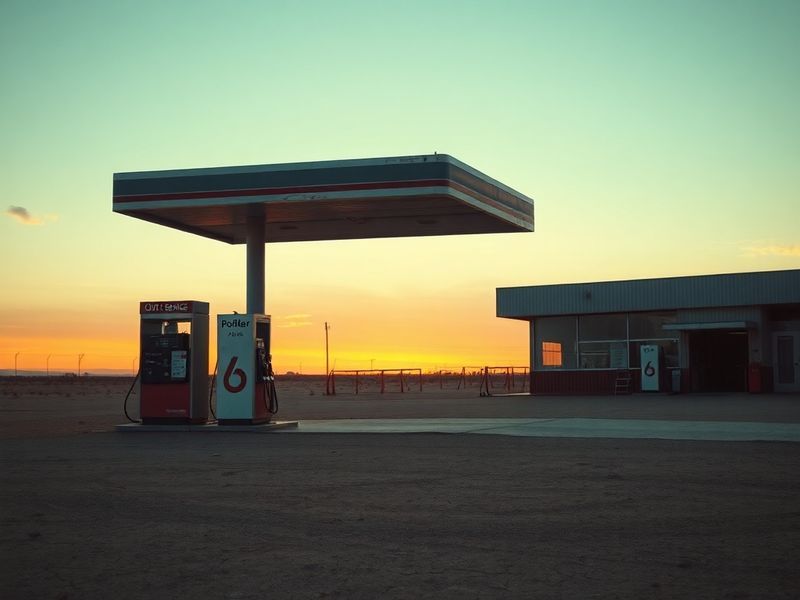
The sight of long queues at petrol stations across Australia has become increasingly common. Motorists are finding themselves facing empty pumps and rising frustration as fuel supplies dwindle. This isn’t just a temporary inconvenience—it’s a symptom of deeper supply chain vulnerabilities that have been exposed by recent global events.
The Current Situation: Where and Why It’s Happening
Reports of fuel shortages began surfacing in major cities like Sydney, Melbourne, and Brisbane, but the problem has since spread to regional areas. Service stations in New South Wales and Victoria have been particularly hard hit, with some reporting less than 24 hours of fuel reserves remaining. The crisis stems from a combination of factors that have disrupted the delicate balance of Australia’s fuel supply network.
The primary driver appears to be logistical challenges. A key fuel distribution depot in New South Wales experienced operational issues that temporarily halted deliveries. While repairs are underway, the ripple effects continue to be felt across the network. Simultaneously, international factors are playing a role. Global oil prices have fluctuated significantly due to geopolitical tensions, making it more expensive for suppliers to maintain consistent inventory levels.
Consumer behavior has also contributed to the problem. Panic buying—where drivers top up their tanks “just in case”—has exacerbated shortages. This psychological factor creates a feedback loop: the more people hear about shortages, the more they fill up, which in turn creates actual shortages.
Key Factors Behind the Fuel Shortage
- Supply chain disruptions: A critical fuel depot faced operational delays, reducing distribution capacity.
- Global market volatility: International oil price fluctuations make it harder to maintain stable domestic supplies.
- Consumer panic buying: Fear of shortages leads to increased demand, which creates real shortages.
- Limited refining capacity: Australia relies heavily on imported fuel, with domestic refineries operating at reduced capacity.
Broader Implications: More Than Just an Empty Tank
The petrol shortage isn’t just about motorists inconvenienced at the pump. It highlights systemic issues in Australia’s energy infrastructure that could have long-term consequences. The country’s reliance on imported fuel—particularly from Asia—creates vulnerability to international disruptions. With domestic refinery closures in recent years reducing local production, Australia now imports about 90% of its petrol.
Economically, the crisis adds pressure to an already inflationary environment. Rising fuel costs trickle down to nearly every sector, from transportation to food production. Small businesses that depend on deliveries face higher operational expenses, while consumers see increased prices for goods and services. The Reserve Bank of Australia has warned that prolonged fuel shortages could further dampen economic growth.
Environmental concerns also emerge from this situation. The crisis has reignited debates about Australia’s energy independence. Some argue that the country should invest more in renewable energy sources to reduce dependence on imported fossil fuels. Others point to the need for strategic fuel reserves to prevent future shortages.
What’s Being Done—and What Needs to Happen
Federal and state governments are responding with measures aimed at stabilizing the situation. The Australian Competition and Consumer Commission (ACCC) has increased monitoring of fuel prices to prevent price gouging. Meanwhile, the federal government has activated emergency fuel reserves to supplement supplies during the crisis.
However, experts suggest that more systemic solutions are needed. Expanding domestic refining capacity could reduce reliance on imports, though this would require significant investment. Improving fuel distribution networks—particularly in regional areas—could also enhance resilience against future disruptions.
For consumers, the immediate advice is to remain calm and only purchase fuel when necessary. Hoarding only worsens the problem for everyone. Longer-term, this crisis may serve as a wake-up call for both policymakers and the public about the fragility of Australia’s fuel supply chain.
Lessons for the Future: Building a More Resilient System
Australia’s fuel crisis exposes critical gaps in the nation’s energy strategy. The combination of global volatility, domestic refinery closures, and supply chain fragility creates a perfect storm that could recur under similar circumstances. To prevent future shortages, a multi-pronged approach is necessary.
First, increasing domestic refining capacity would reduce dependence on imports. This could involve incentives for refinery operators or strategic investments in new facilities. Second, enhancing fuel storage infrastructure—particularly in regional areas—would create buffers against distribution disruptions. Third, diversifying import sources could mitigate risks from geopolitical tensions or regional conflicts.
Finally, public education campaigns could help prevent panic buying in future crises. Clear communication from authorities about actual supply levels can reduce unnecessary stockpiling that exacerbates shortages.
The current petrol crisis serves as a stark reminder of Australia’s vulnerabilities in an interconnected world. While the immediate issue will likely resolve in the coming weeks, the underlying problems require urgent attention. Building a more resilient fuel supply system isn’t just about preventing empty pumps—it’s about safeguarding the nation’s economic stability and energy security for the future.
For now, motorists are advised to check fuel levels before long trips and avoid unnecessary top-ups. Stations that still have fuel are prioritizing essential services like emergency vehicles and public transport. The crisis may be temporary, but its lessons should be permanent.
Stay informed through Dave’s Locker News for updates on the situation and broader automotive industry trends.