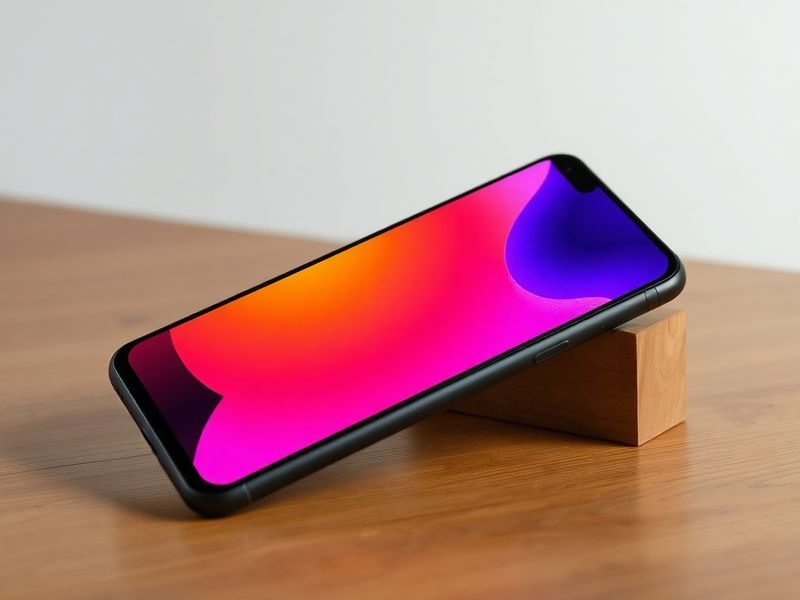
Google’s latest flagship smartphone, the Pixel 9, arrives with a familiar promise: smarter software, sharper hardware, and a camera system that continues to push boundaries. Released in August 2024, the Pixel 9 series builds on Google’s tradition of integrating AI-driven features with premium design. But does it deliver enough to justify its place in a crowded market? The answer lies in the details.
Design Evolution: Sleek, Durable, and Familiar
The Pixel 9 retains the clean, minimalist aesthetic Google has refined over the years, but with subtle refinements. The device features a slightly slimmer profile at 7.8mm thick, making it more comfortable for one-handed use. The aluminum frame now includes a matte finish, reducing fingerprints and improving grip. Notably, the camera bar has been slimmed down, blending more seamlessly with the back panel.
Durability gets a boost with IP68 water and dust resistance, a step up from previous generations. The display is a 6.3-inch OLED panel with a 120Hz refresh rate, offering smoother scrolling and better responsiveness. Under the hood, Google’s second-generation Tensor G4 chip powers the device, promising improved efficiency and performance for AI tasks.
Key Design Changes:
- Slimmer profile: 7.8mm thick, improving ergonomics.
- Matte aluminum frame: Reduces fingerprints and enhances grip.
- Redesigned camera bar: More integrated and less obtrusive.
- 120Hz OLED display: Smoother visuals and better touch response.
Camera Innovations: AI Takes Center Stage
Google’s camera system has long been a standout feature of the Pixel line, and the Pixel 9 is no exception. The device features a triple-lens setup, including a 50MP main sensor, a 12MP ultra-wide lens, and a 48MP telephoto lens with 5x optical zoom. What sets the Pixel 9 apart, however, is its AI-driven enhancements.
The new Magic Editor tool, powered by Google’s advanced AI, allows users to edit photos in ways previously unimaginable. Want to remove an object from a scene? Simply highlight it and let the AI fill in the gaps. Need to adjust the lighting or composition after the fact? The Magic Editor can do that too, with surprising accuracy. This feature is a game-changer for content creators and casual photographers alike.
Video capabilities have also received a significant upgrade. The Pixel 9 supports 4K video at 60fps, with improved stabilization and low-light performance. The addition of Audio Magic Eraser allows users to remove unwanted background noise from recordings, a boon for podcasters and videographers.
Camera Features Worth Noting:
- 50MP main sensor: Enhanced low-light performance and detail.
- 12MP ultra-wide lens: Wider field of view for landscape shots.
- 48MP telephoto lens: 5x optical zoom for distant subjects.
- Magic Editor: AI-powered post-processing tools.
- Audio Magic Eraser: Removes background noise from videos.
Software and AI: The Heart of the Pixel 9
At its core, the Pixel 9 is a software-first device. Google’s commitment to AI integration is evident in every aspect of the user experience. The new Pixel Screenshots feature allows users to capture and share screenshots with context, such as the app name and timestamp. This is particularly useful for troubleshooting or sharing information quickly.
The Pixel 9 also debuts Circle to Search, a feature that lets users highlight any part of the screen and search for it using Google. This eliminates the need to type queries, making information retrieval faster and more intuitive. The device also includes advanced voice recognition, with support for more languages and dialects.
Security has been bolstered with the introduction of Face Unlock 2.0, which now works even in low-light conditions. The fingerprint sensor, located under the display, remains fast and reliable. Google’s promise of seven years of software updates ensures the Pixel 9 will stay relevant for years to come.
Broader Implications: Where Does the Pixel 9 Fit?
The Pixel 9 arrives at a time when the smartphone market is increasingly saturated. With major players like Apple, Samsung, and OnePlus dominating the conversation, Google faces stiff competition. However, the Pixel 9’s strengths lie in its software and AI capabilities, areas where Google has long excelled.
For consumers, the Pixel 9 represents a compelling choice for those who prioritize photography, AI-driven features, and long-term software support. Its competitive pricing—starting at $799—positions it as a strong alternative to pricier flagships. For developers and tech enthusiasts, the Pixel 9 offers a glimpse into the future of AI integration in consumer devices.
Looking ahead, the Pixel 9 could influence how other manufacturers approach AI and software in their devices. Google’s focus on practical, user-friendly AI tools sets a new standard for what smartphones can do. As AI becomes more embedded in daily life, the Pixel 9 serves as a reminder that the best innovations are those that simplify and enhance the user experience.
Why the Pixel 9 Matters:
- AI-first design: Sets a new benchmark for software integration.
- Competitive pricing: Offers premium features at a more accessible price point.
- Long-term support: Seven years of updates ensure longevity.
- Innovative photography: AI-powered tools redefine mobile photography.
The Pixel 9 isn’t just another smartphone—it’s a statement about the future of mobile technology. By prioritizing AI and software, Google has created a device that feels both cutting-edge and practical. Whether it becomes a mainstream success or remains a niche favorite, its impact on the industry is undeniable.
For those interested in exploring similar devices, check out our Technology and News categories for more insights and reviews.