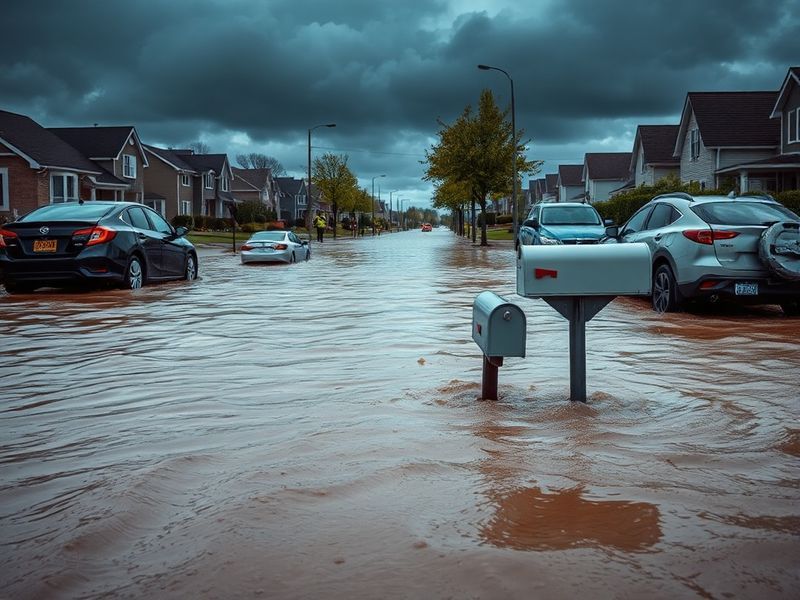
flood watch
“`html
Flood Watch: Understanding the Risks and Staying Prepared
Floods are among the most common and costly natural disasters in the United States, affecting millions of people each year. When conditions favor flooding—such as heavy rainfall, rapid snowmelt, or saturated ground—a Flood Watch is issued by the National Weather Service (NWS). This alert signals that flooding is possible in the coming hours or days, giving residents time to prepare. Understanding what a Flood Watch means, how to respond, and what long-term precautions to take can significantly reduce risks to life, property, and livelihood.
Unlike a Flood Warning, which indicates flooding is already occurring or imminent, a Flood Watch serves as an early heads-up. It’s a critical moment for communities to assess their vulnerability and take proactive steps before conditions worsen. Yet many people remain unsure of how to interpret these alerts or what actions to prioritize. This guide breaks down the essentials of Flood Watches, the science behind them, and how to build resilience against future events.
What Triggers a Flood Watch?
A Flood Watch is not issued lightly. The NWS monitors multiple environmental and meteorological factors before making the call. These triggers include:
- Heavy Rainfall Forecasts: When weather models predict rainfall exceeding 1–2 inches per hour, or total accumulation over 3–6 inches in a short period, flooding becomes likely. Tropical systems or slow-moving storm fronts often produce the heaviest downpours.
- Saturated Soil Conditions: If the ground is already wet from previous storms or snowmelt, it cannot absorb additional water, increasing runoff and flood risk. This is especially common in urban areas with high levels of impervious surfaces like pavement.
- River or Stream Levels: When rivers are running high or water levels in streams and creeks are elevated, even moderate rainfall can push them over their banks. The NWS uses river forecast models to predict when and where overflow may occur.
- Snowmelt Accelerated by Rain: In northern and mountainous regions, a sudden warm spell combined with rain can cause rapid snowmelt, overwhelming drainage systems and leading to flash flooding.
- Drainage System Capacity: Aging or undersized infrastructure in cities may fail to handle sudden surges, leading to localized flooding even from moderate rainfall.
Meteorologists combine real-time data from weather stations, radar, satellite imagery, and hydrological models to determine when a Flood Watch is warranted. These alerts are typically issued 12 to 48 hours in advance, depending on the lead time required for preparation.
For residents living in flood-prone areas, staying informed through trusted sources like the NWS, local emergency management, and apps such as Dave’s Locker Weather can make the difference between being caught off guard and staying safe.
Regional Vulnerabilities: Where Flood Watches Are Most Common
While flooding can occur almost anywhere, certain regions face elevated risks due to geography, climate, and urban development. The National Risk Index highlights areas with the highest flood exposure, including:
- Coastal Plains and River Basins: States like Louisiana, Mississippi, and Texas regularly issue Flood Watches due to tropical storms and slow-moving systems dumping massive rainfall. The flat terrain and extensive river networks make drainage difficult.
- Appalachian and Mountainous Regions: Areas in West Virginia, Kentucky, and Tennessee are prone to flash flooding from intense rainfall cascading down steep slopes. The rugged terrain accelerates runoff into valleys and communities below.
- Urban Heat Islands: Cities such as Houston, Miami, and Atlanta experience frequent Flood Watches due to paved surfaces that prevent water absorption. Aging stormwater systems struggle to keep up with rapid urbanization and changing rainfall patterns.
- Midwestern River Systems: The Mississippi, Missouri, and Ohio River basins are highly susceptible to seasonal flooding, often triggered by spring snowmelt or prolonged rainfall across multiple states.
- Desert Southwest Flash Flood Risk: While arid, regions like Arizona and Southern California can experience deadly flash floods when monsoon rains hit dry, hard-packed soil that cannot absorb water quickly.
Climate change is intensifying these risks. Warmer air holds more moisture, leading to heavier rainfall events. Studies show that the frequency of Flood Watches and Warnings has increased in many parts of the country over the past two decades, particularly in the Southeast and Midwest.
Understanding regional vulnerabilities helps communities tailor their preparedness strategies. For example, residents in coastal areas may focus on evacuations and flood barriers, while those in mountainous regions prioritize monitoring local creeks and avoiding canyon roads during storms.
How to Respond When a Flood Watch Is Issued
A Flood Watch demands immediate attention, not panic. The key is to act before conditions deteriorate. Here’s a step-by-step guide to responding effectively:
- Stay Informed: Monitor local news, the NWS website, and emergency alert systems. Sign up for community notification systems like CodeRED or Everbridge if available.
- Know Your Zone: Determine if you live in a flood-prone area using FEMA’s Flood Map Service Center. If you’re in a Special Flood Hazard Area (SFHA), consider flood insurance through the National Flood Insurance Program (NFIP), as standard homeowners’ policies typically exclude flood damage.
- Prepare an Emergency Kit: Include water, non-perishable food, medications, flashlights, batteries, a first-aid kit, and important documents in a waterproof container. Aim for at least three days of supplies.
- Protect Your Property: Move valuables to higher floors, secure outdoor furniture, and consider installing sandbags or flood barriers if you’re in a high-risk zone. Ensure sump pumps are functional and have backup power.
- Plan Evacuation Routes: Identify multiple escape routes from your home and neighborhood, especially if roads are prone to flooding. Designate a meeting point for family members and ensure everyone knows the plan.
- Check on Vulnerable Neighbors: Elderly residents, individuals with disabilities, and those without reliable transportation may need assistance preparing or evacuating.
- Review Insurance Coverage: Standard policies do not cover flooding. Review your flood insurance policy to understand coverage limits and waiting periods. The NFIP typically requires a 30-day waiting period before coverage begins.
It’s also wise to prepare for power outages and disrupted services. Keep cash on hand, as ATMs and card readers may not function during extended outages. Charge all devices and consider a portable power bank.
One often-overlooked step is documenting your property. Take photos or videos of your home and belongings before a flood occurs. This can streamline insurance claims and help verify losses later.
Long-Term Resilience: Building a Flood-Ready Community
While individual preparedness is critical, systemic changes are needed to reduce long-term flood risks. Communities across the country are adopting innovative strategies to build resilience, from green infrastructure to updated zoning laws.
One promising approach is the use of green infrastructure, such as rain gardens, permeable pavements, and bioswales, to absorb and slow stormwater. Cities like Philadelphia and Chicago have invested in these systems to reduce runoff and alleviate pressure on aging sewer systems. These measures not only mitigate flooding but also improve water quality and create green spaces.
Another strategy is updating floodplain management regulations. Many communities are revising building codes to require elevated structures in flood-prone areas or prohibiting development in the most hazardous zones. FEMA’s Community Rating System (CRS) incentivizes municipalities to implement floodplain management practices by offering discounts on flood insurance premiums.
Technology is also playing a growing role in flood prediction and response. Advanced modeling tools, such as the NWS’s National Water Model, provide hyper-local forecasts that help emergency managers make more informed decisions. Meanwhile, crowdsourced data from apps like Dave’s Locker Tech enables real-time reporting of flooding conditions, improving response times.
Education and awareness are equally vital. Schools, community centers, and local governments are hosting workshops on flood preparedness, distributing emergency kits, and conducting drills. These efforts empower residents to take ownership of their safety and foster a culture of resilience.
Ultimately, addressing flood risks requires collaboration among governments, insurers, urban planners, and citizens. By investing in prevention, preparedness, and adaptive infrastructure, communities can reduce the human and economic toll of future floods.
Conclusion: Stay Alert, Stay Prepared
A Flood Watch is a call to action—a reminder that nature’s forces can quickly overwhelm human systems. While we cannot control the weather, we can control how we prepare for it. From reviewing insurance policies to reinforcing infrastructure, every step taken today can save lives and livelihoods tomorrow.
For those living in flood-prone regions, staying vigilant is not optional—it’s a way of life. By staying informed, building emergency plans, and supporting community-wide resilience efforts, we can transform vulnerability into readiness. After all, the goal isn’t just to survive the next flood watch, but to thrive in its aftermath.
As climate patterns shift and extreme weather becomes more frequent, the importance of preparedness will only grow. The time to act is now—not when the waters rise, but before the clouds gather.
—METADATA—
{
“title”: “Flood Watch: Risks, Preparation, and How to Stay Safe”,
“metaDescription”: “Learn what a Flood Watch means, how to prepare, and long-term resilience strategies for staying safe during flooding events.”,
“categories”: [“News”, “Science”],
“tags”: [“flood watch”, “flood preparedness”, “National Weather Service”, “flood insurance”, “climate resilience”],
“imageDescription”: “Aerial view of a flooded residential neighborhood with water covering streets and yards. Dark storm clouds loom overhead, and emergency responders are visible in the distance.