Guardians vs. Cardinals: A Global Rivalry Beyond the Diamond
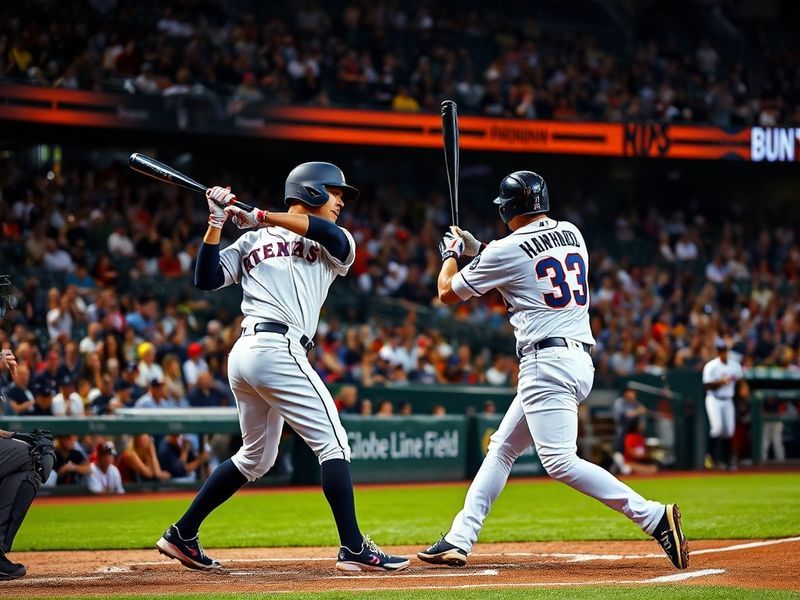
The Guardians and Cardinals are two of Major League Baseball’s most storied franchises, but their rivalry extends far beyond the confines of the diamond. While the Cleveland Guardians (formerly the Indians) and the St. Louis Cardinals have never met in a World Series, their histories are woven into the fabric of baseball’s cultural and economic legacy. This rivalry isn’t just about wins and losses; it’s about identity, tradition, and the evolving role of baseball in a global sports landscape.
From Cleveland’s working-class roots to St. Louis’s blue-collar heartland, both teams represent regions with deep baseball traditions. The Guardians, with their recent rebranding, have embraced a modern identity while paying homage to their past. Meanwhile, the Cardinals have long been the face of National League baseball, known for their consistent success and connection to the community. These teams symbolize more than just competition—they reflect broader themes of change, resilience, and regional pride.
The Historical Foundations of Two Franchises
The Guardians’ origins trace back to 1901 as one of the American League’s charter franchises. Originally known as the Cleveland Blues, the team underwent several name changes before settling on the Guardians in 2022. The name pays tribute to the city’s iconic Hope Memorial Bridge, adorned with statues of legendary figures known as “Guardians of Traffic.” This rebranding marked a deliberate shift toward inclusivity and a fresh start after years of debates over the team’s former name.
The Cardinals, on the other hand, have been a National League staple since 1882. Their name, inspired by the red birds seen in St. Louis’s Forest Park, has remained constant even as the team evolved. The Cardinals boast one of baseball’s most loyal fanbases, known for their dedication and the team’s consistent competitiveness. Their 11 World Series titles underscore their status as a perennial powerhouse, while the Guardians, with two championships (1920 and 1948), represent a city hungry for a return to glory.
These franchises embody different eras of baseball. The Cardinals are a relic of the Deadball Era and the golden age of St. Louis baseball, while the Guardians reflect the challenges of modernizing a team in a city with a complex racial and industrial history. Their histories are not just about statistics but about how baseball intersects with cultural identity.
Cultural Impact: More Than Just a Game
Baseball has always been more than a sport in America—it’s a cultural touchstone. The Guardians and Cardinals, as two of the league’s oldest teams, carry the weight of that legacy. In Cleveland, baseball is intertwined with the city’s blue-collar ethos. The team’s fanbase, known for their loyalty even during down years, reflects the resilience of a city that has faced economic decline and revitalization. The Guardians’ rebranding was a bold statement about progress, signaling a break from a past that no longer aligned with the city’s values.
St. Louis, meanwhile, has long been a baseball mecca. The Cardinals’ Busch Stadium sits in the shadow of the Gateway Arch, a symbol of the city’s role as the gateway to the West. The team’s success has made it a point of pride for generations of fans, many of whom pass down their allegiance like a family heirloom. The Cardinals’ dominance in the National League has given the city a sense of stability in a region that has faced its own economic struggles.
Globally, baseball’s popularity has waned in favor of soccer and other sports, but the Guardians and Cardinals remain symbols of the game’s enduring appeal. Their international player development programs, such as the Cardinals’ academies in the Dominican Republic and Venezuela, highlight baseball’s global reach. Meanwhile, the Guardians’ recent success in signing international prospects reflects their commitment to building a team that resonates with a diverse fanbase.
Economic and Business Perspectives
The business models of the Guardians and Cardinals offer a fascinating contrast. The Cardinals, with their consistent on-field success, have thrived under a model built on strong regional support and smart investments in player development. Their revenue streams, including lucrative television deals and corporate partnerships, have allowed them to remain competitive despite the challenges of modern baseball economics.
The Guardians, on the other hand, have operated under a more modest budget, relying on savvy drafting and player development to stay relevant. Their rebranding was not just a marketing move but a strategic decision to attract younger, more diverse fans. The team’s recent investments in their stadium and community initiatives reflect a broader trend in sports: the need to balance tradition with innovation.
Both teams face the same challenges as baseball grapples with its place in the global sports landscape. The rise of analytics, the decline of local broadcast deals, and the growing influence of social media have forced franchises to adapt. The Guardians and Cardinals represent two different approaches to these challenges—one rooted in tradition, the other in reinvention.
The Fan Experience: A Tale of Two Cities
The fan experience in Cleveland and St. Louis offers a glimpse into the soul of each franchise. In Cleveland, the atmosphere at Progressive Field is electric, with fans known for their passion and loyalty. The team’s recent success, including a trip to the 2016 World Series, has only deepened that connection. The Guardians’ fanbase is a mix of lifelong supporters and newer, more diverse fans drawn to the team’s modern identity.
In St. Louis, Busch Stadium is a cathedral of baseball, where fans gather to celebrate a shared history. The Cardinals’ tradition of excellence has created a culture of expectation, where even mediocre seasons are met with scrutiny. The team’s success on the field has been matched by its success in building a community around the game, from youth leagues to charitable initiatives.
Despite their differences, both fanbases share a deep love for the game. They represent the heart of baseball’s enduring appeal—a sport that is as much about community as it is about competition.
A Rivalry That Transcends the Diamond
The Guardians and Cardinals may never meet in a World Series, but their rivalry is real. It’s a rivalry of history, culture, and identity. The Guardians represent a city in transition, embracing change while honoring its past. The Cardinals embody a team that has thrived by staying true to its roots while adapting to the modern era.
As baseball continues to evolve, these two franchises will remain beacons of the game’s enduring legacy. Whether through their on-field performances, their cultural impact, or their business strategies, the Guardians and Cardinals are more than just teams—they are institutions that reflect the heart of the sport.
For fans of baseball, their rivalry is a reminder that the game is about more than wins and losses. It’s about the stories we tell, the communities we build, and the traditions we pass down. In that sense, the Guardians and Cardinals are not just rivals—they are partners in the ongoing story of baseball.
To dive deeper into the history of these franchises, explore our Sports section, where we break down the cultural and economic forces shaping modern baseball. Whether you’re a lifelong fan or a newcomer to the game, there’s always more to discover about the teams that define it.